
Lieferung heute & morgen

Qualitätsgarantie

Willkommens-Angebote freischalten: KOSTENLOSE Lieferung | Bis zu 80 % RABATT | Kostenlose 30-Tage-JoyPlus-Testphase
App herunterladen
A fully automatic coffee machine should prepare freshly ground beans, espresso and milk-based drinks with just a few inputs. However, bean-to-cup machines differ considerably in their grinders, milk systems, cleaning requirements and controls. A high number of beverage recipes alone says little about whether a machine is right for your daily routine.
A fully automatic coffee machine with 20 or more recipes sounds versatile. In practice, however, most people regularly choose only espresso, coffee, cappuccino or latte macchiato. Check which drinks are actually available at the touch of a button and whether you can adjust the strength, water volume and milk ratio.
Automatic rinsing, cleaning and descaling programmes reduce manual effort, but they do not eliminate it entirely. Milk lines should be rinsed after use in accordance with the operating instructions. The drip tray and coffee-grounds container must be emptied regularly. Removable brewing units make internal cleaning easier, while sealed systems require less disassembly.
A 300- or 500-gram bean hopper and a large water tank are well suited to families or small offices. For a couple or single person, however, larger quantities may remain in the containers unnecessarily long. Daily consumption is therefore the key consideration. Counter space matters too: measure the machine’s height and depth, as well as access to the water tank, before buying.
A coffee machine with a grinder processes the beans immediately before brewing. Look for a conical burr grinder or a comparable flat-burr grinder, as well as the number of grind settings. More adjustment levels allow finer tuning for different beans, but they are not, on their own, proof of quality.
Examples from the selection:
Also check whether pre-ground coffee can be added. This is useful if you occasionally want to prepare decaffeinated coffee.
A bean-to-cup coffee machine with a milk system can dispense cappuccino and latte macchiato automatically. With a separate milk container, you can place the milk in the refrigerator more easily after use. Tube-based systems require particular attention, as milk residue can remain inside the lines.
Objectively relevant differences:
A bean-to-cup coffee machine with a touchscreen generally provides a clear selection of drinks and saved user profiles. Buttons and rotary controls, on the other hand, may appeal to people who prefer direct, streamlined operation. Multiple profiles and customisable drinks are particularly practical for shared flats or families.
Also compare:
The “15 or 19 bar” specification should not be assessed in isolation. For the buying decision, the grinder, brewing unit, adjustment options and access for cleaning are generally more meaningful.
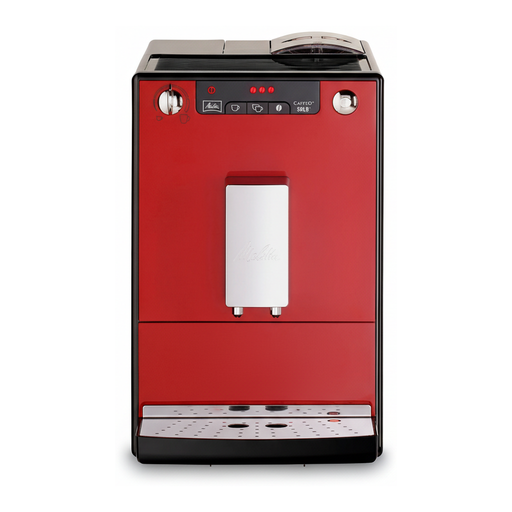
Why this model is a good fit: According to the product specifications, this slim bean-to-cup machine is just 20 cm wide and focuses on espresso and café crème. That makes it suitable for single users or compact kitchens.
The focused beverage selection means you do not pay for rarely used programmes or a complex milk system.
Three coffee-strength settings, height-adjustable spout, removable brewing unit, plus automatic cleaning and descaling programmes.
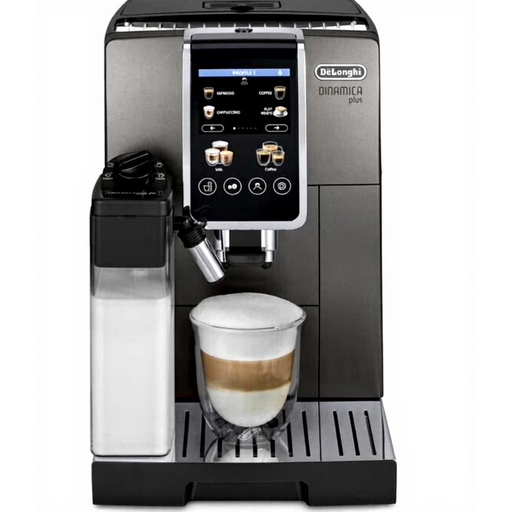
Why this model is a good fit: With 24 recipes, four user profiles, a 3.5-inch touchscreen and the LatteCrema milk system, this model is designed for households with different preferences.
User profiles and the display of frequently selected drinks reduce the need to repeat settings when several people use the machine.
300 g bean hopper, 13 grind settings, two-cup function and automatic cleaning of the milk-carrying components, according to the product specifications.
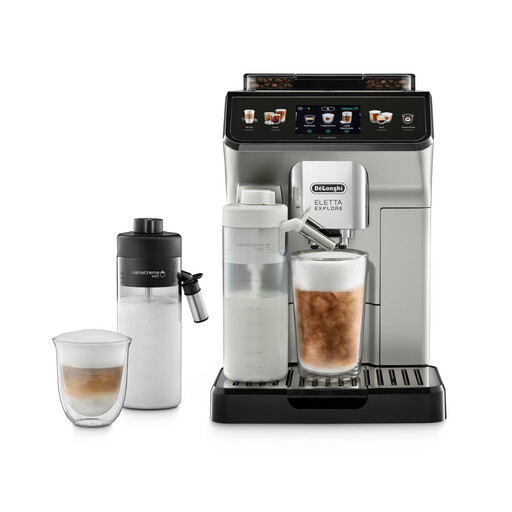
Why this model is a good fit: According to the description, the model offers 40 recipes as well as LatteCrema Hot & Cool for hot and cold milk-based drinks. It is an appealing option for users who want to go beyond classic coffee varieties.
The broad beverage selection is backed by practical features: two milk systems, a to-go spout and automatic rinsing and descaling programmes.
1.8-litre water tank, 300 g bean hopper, 13 grind settings and a 3.5-inch TFT touchscreen, according to the product data.
Running costs include not only electricity but, above all, coffee beans, water filters, descaler and cleaning products. Milk systems may require additional cleaning tablets or special liquids. Before buying, check which components are dishwasher-safe and whether the brewing unit can be removed.
For water quality in Germany, programmable water hardness is relevant. Depending on the hardness of the local water, a water filter may be worthwhile, but it should be replaced in accordance with the manufacturer’s instructions. Descaling intervals depend on water hardness, usage and the machine’s settings.
The full selection includes bean-to-cup coffee machines and other beverage makers with different grinders, milk systems, drink functions and designs.
It is not possible to give a reliable fixed service life for every model. Longevity depends on usage volume, water hardness, cleaning and maintenance. Regular descaling, emptying the collection containers and caring for the milk system all help support reliable operation. Always follow the manufacturer’s instructions.
The largest ongoing costs generally come from coffee beans and cleaning products. Electricity consumption depends on power, heat-up time, standby settings and daily usage. A switchable energy-saving mode can reduce standby consumption; the actual cost depends on your electricity tariff and consumption.
For frequent latte macchiato preparation, choose a model with an automatic milk system, a height-adjustable spout and easily accessible milk-system components for cleaning. Also check the maximum glass height and whether the milk carafe can be refrigerated or cleaned after every use.