
Lieferung heute & morgen

Qualitätsgarantie

Willkommens-Angebote freischalten: KOSTENLOSE Lieferung | Bis zu 80 % RABATT | Kostenlose 30-Tage-JoyPlus-Testphase
App herunterladen
A fully automatic coffee machine with a milk system combines freshly ground beans with the automatic preparation of cappuccino, latte macchiato and other milk-based coffee drinks. This is practical for families, couples, shared households and small offices. However, machines vary considerably in terms of operation, cleaning, capacity and space requirements.
Anyone who focuses only on the number of drink recipes or a high pump rating may overlook important everyday criteria. Three common purchasing misconceptions are particularly relevant:
A fully automatic coffee machine with a milk frother can draw milk through a tube from a separate container or use a removable milk container. A tube system is often space-saving and is ideal for flexible use with a milk carton. A milk container, on the other hand, can usually be removed and stored as one unit.
Look out for:
The milk quantity setting is also important for cappuccino and latte macchiato. A one-touch function reduces the number of steps required, but on its own says nothing about cleaning or the consistency of the milk froth.
A fully automatic coffee machine with an integrated grinder grinds the beans immediately before brewing. Check how many grind settings and aroma levels can be adjusted. Several settings allow for more precise adjustment to the type of beans and your personal taste, but they do not automatically improve the quality of the drinks.
These values are also important for everyday use:
Two separate bean compartments are useful if you regularly want to switch between different varieties. Check how the switch actually works and whether beans can remain in the grinder.
Depending on the model, automatic cleaning may include rinsing, descaling or cleaning the milk system. Nevertheless, the coffee grounds container, drip tray, brewing unit and milk container must be maintained according to the manufacturer’s instructions. Water hardness and frequency of use affect how much water-filter and descaling product is needed.
Before buying, measure:
The wattage and heating-up time may also matter in everyday operation. However, the main factors affecting actual running costs are bean consumption, filters, cleaning products and descaler.
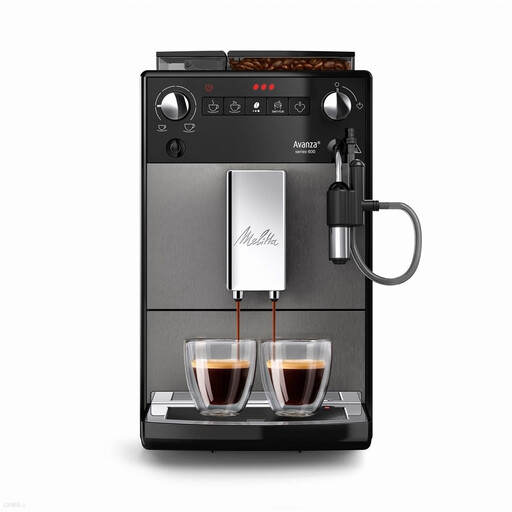
Why this product suits the profile: At just 20 cm wide, this machine is ideal for smaller kitchens. It offers one-touch preparation, an integrated grinder and a milk system with a three-part milk nozzle.
The removable brewing unit, automatic cleaning and descaling programmes, and removable water tank make maintenance easier to understand.
Five grind settings, height-adjustable outlet, XL containers and a two-cup function.
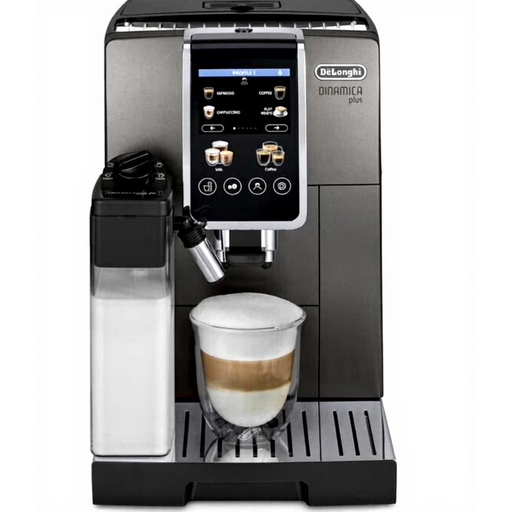
Why this product suits the profile: If you enjoy a wide range of coffee and milk drinks, you get 24 recipes, four user profiles and a LatteCrema milk system that cleans automatically after every use.
Cleaning the milk-carrying parts is integrated into the system. The water tank, milk container and brewing unit are also designed for regular maintenance.
1.8-litre water tank, 300-g bean container, 13 grind settings, TFT colour display and two-cup function.
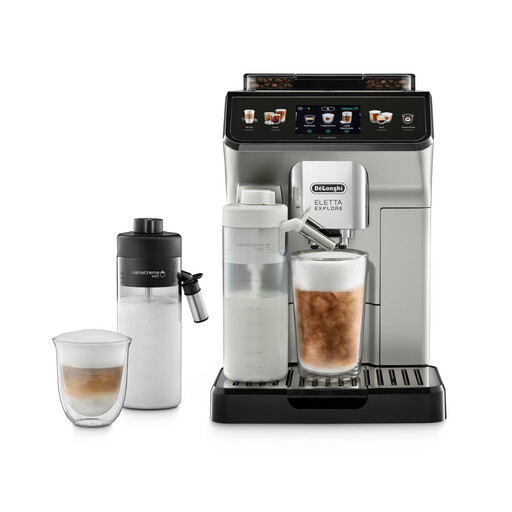
Why this product suits the profile: This model is aimed at households that want to prepare cold coffee and milk drinks as well as classic hot beverages.
The two milk systems for hot and cold preparation make the range of functions clear, rather than simply offering a long list of similar recipes.
40 recipe options, 1.8-litre tank, 300-g bean container, 13 grind settings and a 3.5-inch TFT colour display.
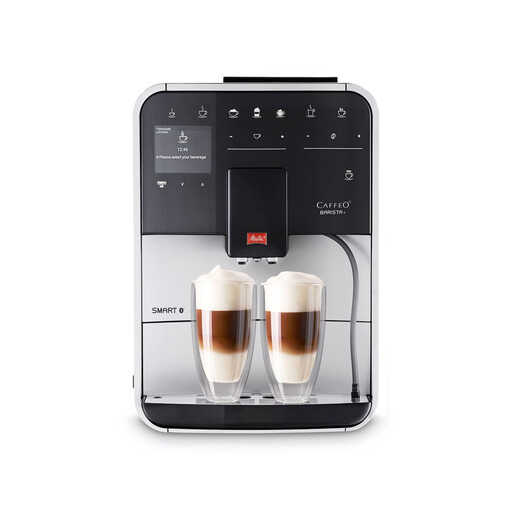
Why this product suits the profile: Two separate bean containers and four user profiles make it easier to switch between varieties and personal drink settings.
The automatic rinsing, cleaning and descaling functions address the maintenance required. The milk system has its own cleaning programme.
Up to 18 drinks, two milk drinks at the same time, five grind and four strength settings, plus app control.
We have put together a complete, regularly updated list of products that fully meet these strict selection criteria and the safety regulations applicable in the EU.
The milk system should be rinsed after every use in accordance with the manufacturer’s instructions. The milk container, tube and nozzles require regular thorough cleaning. Depending on usage, the coffee grounds container and drip tray often need emptying every day. Descaling and care of the brewing unit depend on water hardness, the number of drinks prepared and the instructions for the specific model.
There is no standard lifespan that applies to every machine. It depends on the intensity of use, water quality, beans, cleaning and maintenance. A removable brewing unit makes manual care easier; with closed systems, the recommended cleaning programmes should be used consistently. Before buying, it is also worth checking the availability of spare parts and the service conditions.
In addition to the purchase price, you will need to budget for coffee beans, water filters, descaler and cleaning tablets. A larger bean and water tank can reduce the number of refills, but does not automatically use less. For a realistic comparison, consider the number of cups you prepare each day, the price of the beans and the maintenance intervals recommended by the manufacturer.