
Lieferung heute & morgen

Qualitätsgarantie

Willkommens-Angebote freischalten: KOSTENLOSE Lieferung | Bis zu 80 % RABATT | Kostenlose 30-Tage-JoyPlus-Testphase
App herunterladen
A fully automatic coffee machine with a milk system should prepare espresso, cappuccino or latte macchiato with minimal effort. In practice, however, machines differ significantly in terms of grinder, milk system, beverage selection, cleaning and capacity. If you focus only on pump pressure or an extensive beverage menu, you may end up with a machine that does not suit your daily routine.
This selection by the Joybuy Product Recommendation Officer explains the key technical specifications and presents models for different usage profiles.
Specifications such as 15 or 20 bar may appear meaningful at first glance. However, your buying decision should also take grind size, dosing, brewing temperature and pre-infusion function into account. Pump pressure describes the machine’s maximum technical output—not necessarily the flavour in the cup.
A milk tube or milk carafe reduces manual effort, but still requires regular care. Milk residue can build up in tubes, nozzles and containers. Therefore, look for:
A fully automatic coffee machine for cappuccino or a fully automatic coffee machine for latte macchiato is only practical for everyday use if cleaning can be easily integrated into your routine.
A machine with ten, 18 or 21 recipes is not automatically more useful than a model with just a few direct-selection buttons. What matters is whether your preferred drinks, milk quantities, coffee strengths and cup sizes can be saved or adjusted.
A fully automatic coffee machine with grinder processes beans immediately before brewing. When comparing models, check:
More grind settings allow finer adjustment to suit the beans and beverage. This is particularly relevant for households that switch between espresso and café crème roasts. A large bean hopper reduces the need for refilling, but with infrequent use, beans may remain in the container for longer.
For milk-based beverages, it is important to know whether the machine can brew coffee and heat or froth milk without long waiting times in between. Dual-boiler systems use separate heating circuits. Thermoblock systems are often more compact and ready to use quickly.
For a small office or commercial operation, also consider:
An automatically cleaning milk system can improve convenience, but it does not replace rinsing the milk container, tube and outlet. For daily use, choose a model whose components can be removed quickly. Use only fresh, chilled milk or suitable plant-based alternatives in accordance with the manufacturer’s instructions.
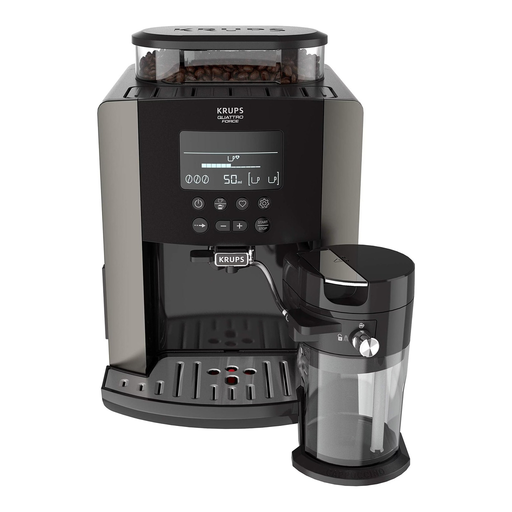
Why does this model fit the profile? For private households and small office kitchens where espresso and cappuccino should be prepared with ease. The machine features an LCD display, a separate 600 ml milk container and a height-adjustable outlet with a clearance of up to 110 mm.
The specifications list more than just 15-bar pump pressure: they also include water and bean capacities, a stainless-steel conical grinder, and cleaning and descaling programmes.
1.7-litre water tank, bean hopper holding approximately 260 g, two cups per brewing cycle and programmable beverage settings.
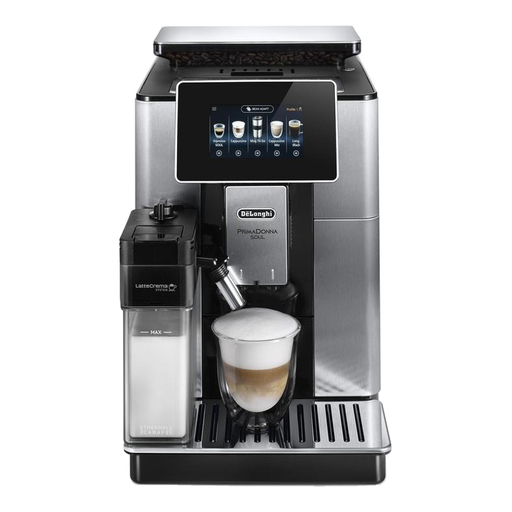
Why does this model fit the profile? For households with multiple users and frequently changing beverage preferences. The machine offers 21 pre-installed recipes, five user profiles, a 2.2-litre water tank and a 500 g bean hopper.
The extensive beverage selection is complemented by precise adjustment options: five coffee-strength levels, 13 grind settings, and customisable coffee and milk quantities.
LatteCrema milk system with automatic cleaning, removable brewing unit and app control via Coffee Link.
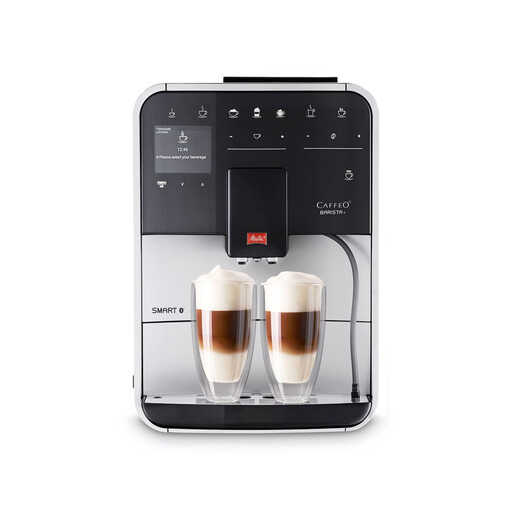
Why does this model fit the profile? For offices or households where several people use individual beverage profiles. According to the product specifications, the model can prepare up to 18 beverages and dispense two milk-based drinks simultaneously.
Two separate bean chambers allow you to switch between varieties without emptying the entire hopper. This addresses a common drawback of bean-to-cup machines.
1.8-litre water tank, four user profiles, five grind settings, automatic cleaning programmes and the Melitta Connect app.
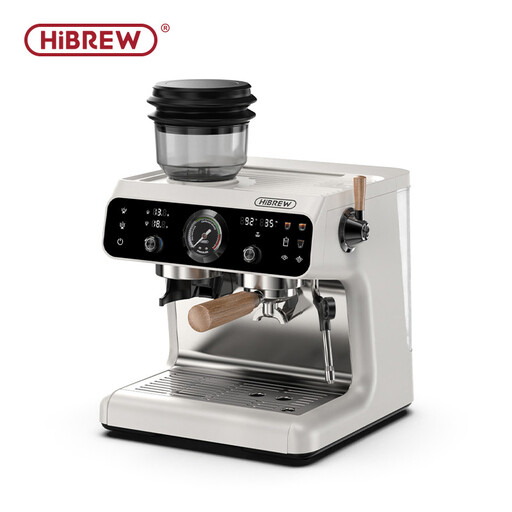
Why does this model fit the profile? For users who want to adjust grind size, brewing temperature and milk texture manually. The dual-heating system may also be suitable for cafés, hotels or restaurants, provided it meets the intended usage and service requirements.
Rather than focusing solely on the 20-bar specification, buyers can also consider the seven temperature levels, 30 grind settings and separate preparation of coffee and steam.
2.8-litre water tank, 250 g bean hopper, integrated conical grinder and independent hot-water outlet.
Our full selection includes additional commercial coffee machines with different milk systems, grinders, capacities and control concepts.
Place the fully automatic coffee machine for home use on a stable, dry and heat-resistant surface. Before buying, check the machine’s width, depth and the clearance above the water tank. In compact kitchens, a small-footprint espresso coffee machine or a model with a front-access water tank may be more practical.
In addition to beans and milk, ongoing costs include:
A portafilter machine with grinder generally offers greater manual control, but requires dosing, tamping and separate milk frothing. A fully automatic machine reduces these steps, but requires consistent automatic and manual cleaning.
After every milk-based beverage, the milk tube, outlet or carafe should be rinsed according to the operating instructions. Thorough cleaning should be carried out at the intervals specified by the manufacturer. This prevents residue build-up and supports hygienic operation.
Service life depends on beverage volume, water hardness, cleaning, descaling and maintenance. A blanket figure in years is therefore not reliable. Look for removable brewing units, readily available spare parts and the manufacturer’s warranty conditions.
Consumption depends on power rating, heating time, beverage volume and standby settings. Automatic shut-off and energy-saving modes can help limit everyday consumption. For offices and commercial environments, you should also consider the expected number of beverages prepared per day.