If you want to record directly on your computer without adding lots of extra equipment, a headset with a compatible USB connection could be a good option. For a microphone you can position precisely and separate monitoring, a TRRS or broadcast headset may be suitable, provided your recording device supports the relevant signal routing. Decide after testing it at your actual recording location, using both quiet and loud passages: manufacturers’ microphone specifications are not a comparative test for gallery audio guides.
Which setup is right for you?
Speakers with a wide vocal range
If you want to record quiet inflections and powerful passages for a gallery audio guide, testing the loudest sections will help you keep an eye on the input level. RØDE and Audacity offer advice on microphone technique and level control.
Recording without a quiet studio
If you can hear background noise in the room, assess the microphone position and isolation at your recording location rather than relying solely on a noise-cancellation specification. Audio-Technica and RØDE offer guidance on microphone positioning.
Recording with equipment you already own
If you want to connect a headset to a computer, recorder or interface, check the microphone input, headphone output and required cable against the exact model. Logitech, RØDE, Audio-Technica and beyerdynamic describe different connection options.
What should you look for when buying?
First, check that the headset is compatible with your recording device. Then consider whether you can position the microphone precisely, set a suitable level and wear the headset comfortably for repeated takes.
| What matters |
What to check when buying |
Who is it especially important for? |
| Expressive delivery without clipping |
Make test recordings of quiet and loud passages; watch the level meter during the loudest emphasis. |
If I want to capture both subtle nuances and emphatic words in the same gallery audio guide, I need a recording setup I can control. Around 33% of consumers put expressive speech without clipping first. |
| Clarity in the recording space |
Test at the intended location; assess the microphone position and any audible background noise. |
If I’m not recording in a quiet studio, I want to know how my voice and the room noise sound in a test recording. Around 25% of consumers say room noise is their main concern. |
| Connections and accessories |
Check the exact headset model against the microphone input, headphone output and items supplied. |
If I want to keep using equipment I already own, I need to be sure I can connect both the microphone and headphones correctly. Around 25% of consumers focus on device compatibility. |
| Comfort for multiple takes |
Check the fit, comfort with glasses, microphone boom and cable length for your planned recording session. |
If I have several takes to record, I want the headset to feel comfortable and the microphone boom to be easy to position consistently. Around 17% of consumers prioritise comfort. |
Common buying mistakes to avoid
-
Assuming a compatible plug means a compatible microphone signal
A plug alone doesn’t tell you whether your recording device can process the microphone signal. The RØDE NTH-100M needs the specified TRRS cable for microphone functionality; the Audio-Technica BPHS1 has separate microphone and headphone connections, while the beyerdynamic DT 297 PV MK II is supplied without a connection cable.
Check the inputs, cables and items supplied for the exact model before choosing accessories.
-
Treating noise cancellation as a substitute for testing in the room
Microphone distance and direction affect how your voice and room noise are recorded. A product description for calls doesn’t tell you how a microphone will capture quiet and emphatic passages in a narration.
Record some quiet and emphatic sentences at your intended location, then listen back to the recording.
-
Turning up the input level to compensate for quiet passages
Audacity warns that peaks recorded too loudly can clip, and clipping can’t be undone after recording.
Set the level before recording based on the loudest passage you plan to deliver, and watch the meter during your test.
A guide to the key brands
RØDE
The NTH-100M combines headphones with a detachable headset microphone and the specified TRRS cable.
- RØDE describes the sound as natural and says the microphone position is designed to reduce plosive sounds.
- These are the manufacturer’s claims, not an independent test for gallery audio guides. The supplied TRRS cable is required for microphone functionality, and your recording device must be compatible.
Audio-Technica
The BPHS1 is a closed-back broadcast headset with a dynamic, swivelling microphone and separate connections.
- According to the datasheet, you can adjust the microphone boom and choose which side to wear it on; the cable and ear pads are replaceable.
- The BPHS1 cable version has an XLR connection for the microphone and a 6.3 mm jack for the headphones. The BPHS1-XF4 version has a different connection configuration and should not be treated as interchangeable.
beyerdynamic
The DT 297 PV MK II is a closed-back broadcast headset with a condenser microphone and a choice of connection options.
- The manufacturer specifies a cardioid polar pattern and a flexible gooseneck.
- According to the German product page, the versions are supplied without a connection cable. Check the impedance version and the compatible cable before buying.
Sennheiser
The HMD 300 is a wired broadcast headset with closed-back headphones and a dynamic microphone boom.
- Sennheiser specifies a supercardioid polar pattern, a microphone boom that can be worn on either side and switchable ActiveGard.
- These manufacturer-specific features don’t prove that it performs better for expressive gallery recordings. Check the connection version and required cable separately.
Logitech
The H390 is included here as a USB-A computer headset.
- Logitech describes it as suitable for video calls and specifies a noise-cancelling microphone and in-line controls.
- The description for calls doesn’t show whether the microphone will capture the subtle nuances of a narration as you’d like. Check USB-A and USB-C versions separately when comparing connections.
Headsets at Joybuy
These Joybuy products combine headphones with an integrated or adjustable microphone. For a gallery audio guide, test-record each model to check its suitability and connection options.
 No image available
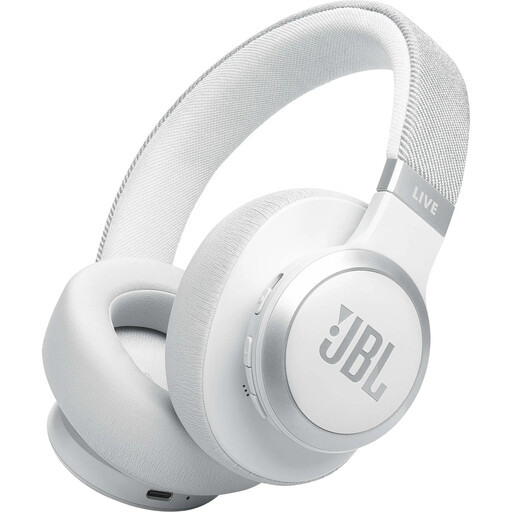
JBL LIVE 770NC, wireless over-ear headphones with microphone, White
Could be an option if you prefer a wireless connection when listening; test the microphone with your speaking style first.
Specifications include Bluetooth 5.3, a detachable audio cable and adaptive noise cancellation. The product description mentions two beamforming microphones for hands-free calls.
View at Joybuy
 No image available
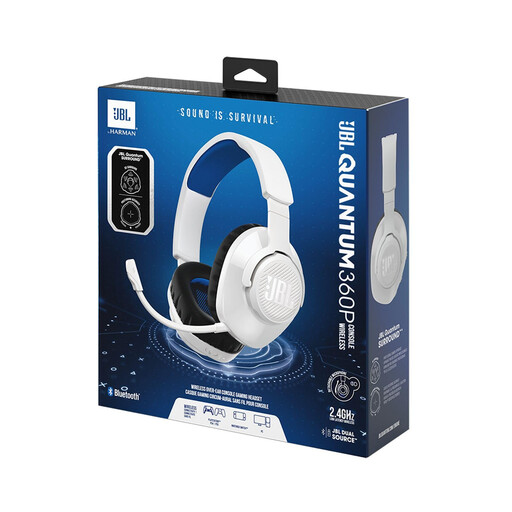
JBL Quantum 360P, wireless over-ear gaming headset, White
Could be worth considering for a test with an adjustable microphone; assess the recording quality for your audio guide using your own device.
Specifications include a flip-up boom microphone, a detachable 3.5 mm cable, Bluetooth 5 and 22 hours of battery life.
View at Joybuy
 No image available
ONIKUMA GT889, wireless headset with detachable microphone
Could be an option if you want to choose between wired and wireless use; check which connections your recording device actually supports.
The product description specifies a flexible, detachable microphone, wired use, a 2.4 GHz USB receiver and Bluetooth 5.4.
View at Joybuy
 No image available
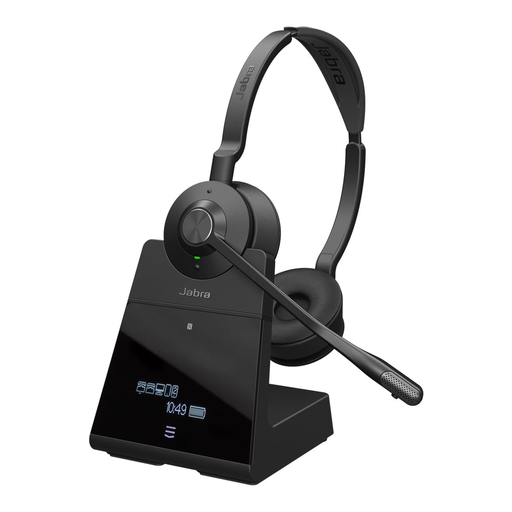
Jabra Engage 75 SE, wireless DECT stereo headset
Could be suitable if you plan to connect to your computer via the base; check that the connection works with your recording setup.
Specifications include a wideband microphone, DECT, an on-ear design and a weight of 90 g. A USB-C to USB-A cable for connecting the base to a computer is listed.
View at Joybuy
 No image available
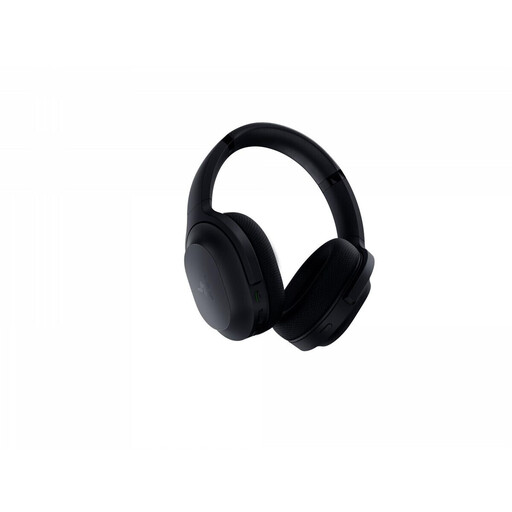
Razer Barracuda, wireless multi-platform headset, Black
Could be an option if you’re looking for a headset with a detachable microphone; test the voice recording before choosing it for an audio guide.
The product specifications list built-in microphones, a detachable microphone, Bluetooth and a separate wireless connection.
View at Joybuy
Frequently asked questions
How can I stop emphatic words from clipping?
Include the loudest passage you plan to deliver when setting your levels. If the level meter reaches its limit, lower the input level before recording; according to Audacity, clipping that has already occurred can’t be undone afterwards.
Where should I position a headset microphone for P and B sounds?
Try positioning it beside the corner of your mouth rather than directly in front of it. Shure recommends this position in the guide to its headworn SM35 to reduce plosive sounds; test the result with a recording using your specific headset.
Do I need extra accessories for a broadcast headset?
That depends on the model and your recording device. The Audio-Technica BPHS1 is specified with XLR for the microphone and a 6.3 mm jack for the headphones; according to beyerdynamic, you need to select a connection cable separately for the DT 297 PV MK II.
Can I use other people’s texts or music for a gallery audio guide?
Not simply because you’re making the recording yourself. The German Patent and Trade Mark Office explains that texts and music may be protected by copyright, and that usage rights govern how they can be used. You’ll need to check whether permission is required, or an exception applies, for the specific work and how you plan to make it available.


