
Lieferung heute & morgen

Qualitätsgarantie

Willkommens-Angebote freischalten: KOSTENLOSE Lieferung | Bis zu 80 % RABATT | Kostenlose 30-Tage-JoyPlus-Testphase
App herunterladen
Finding the right board game for the whole family can quickly become overwhelming. Especially with a classic board game like Hasbro's The Game of Life, there are various editions and alternatives to consider. This guide will help you identify the key features and avoid disappointing purchases, ensuring your next game night is a resounding success.
Many board games promise hours of fun, but not all deliver. Pay attention to these three points to avoid disappointment.
Before you buy The Game of Life, you should check a few fundamental parameters. These objective criteria will help you make your choice.
The age rating is more than just a legal requirement; it provides an important clue about the game's complexity. A game for ages 8 and up, like The Game of Life board game, is typically designed so that children can make basic strategic decisions without being overwhelmed by too many rules. Also, check the specified player count. Most family games are designed for 2 to 4 players, which is suitable for most households. For larger groups, there are special editions or alternative games.
The quality of the game materials directly impacts its longevity.
The specified game duration gives an indication of whether the game fits into your planned timeframe. A typical game night benefits from games lasting 45 to 60 minutes. The gameplay principle—whether cooperative, competitive, strategic, or luck-based—should match your family's preferences. The Game of Life combines luck (the spinner) with simple life decisions, making it an accessible board game classic.
Here is a selection of board games tailored to different needs and preferences.
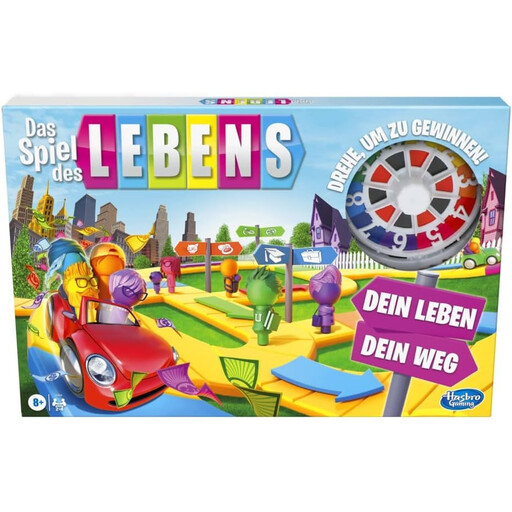
Why it's a great fit: Ideal for parents who remember the classic from their own childhood and want to share that experience with their children. The game simulates life decisions in a simple and entertaining way.
The proven gameplay with event cards and various life paths ensures high replayability. Hasbro's components are designed for durability and family use.
Promotes a basic understanding of finances and life planning. The mix of luck and simple decisions makes it accessible to different age groups.

Why it's a great fit: Perfect for families who love solving puzzles and want to encourage logical thinking. Players take on the roles of detectives to solve a murder mystery.
Because the solution (suspect, weapon, location) is new and random every game, the replay value remains consistently high. The game mechanics are clearly structured and promote interaction.
Trains deductive reasoning and problem-solving skills. The newly designed version features high-quality pawns and an appealing design.
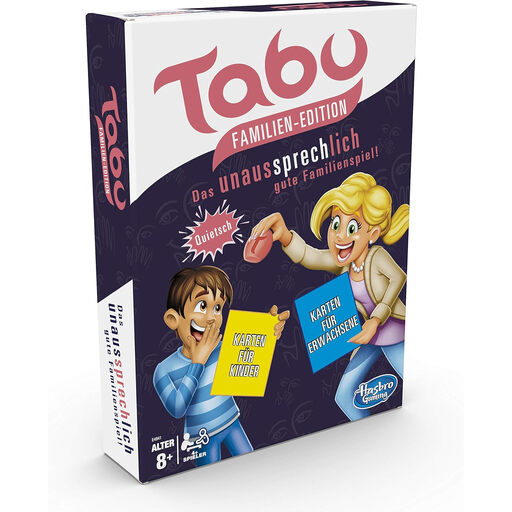
Why it's a great fit: This game is designed for families who love to laugh, talk, and get creative. It challenges players to describe words without using certain "taboo" words.
Separate card decks for kids and adults ensure fair and balanced gameplay. The large volume of over 1,000 words prevents quick repetitions.
Enhances communication skills, vocabulary, and creative thinking under pressure. The team-based gameplay strengthens family bonds.
We have compiled a complete, up-to-date list of products that fully meet these strict selection criteria and UK safety regulations.
According to the manufacturer, a typical game with 3 to 4 players lasts about 45 to 60 minutes. The duration can vary depending on how quickly players make decisions.
Yes, the classic version of Hasbro's The Game of Life is designed for 2 to 4 players. The game works well with two players, although the competition for certain spaces and career paths is slightly less intense than in a full game.
Newer editions of the game have often been modernised. This affects the design of the game board and cards, as well as the depicted careers, life events, and monetary values. While the basic principle remains the same, newer versions often reflect more contemporary life paths. However, the core mechanic with the spinner and decision points is preserved.