
Lieferung heute & morgen

Qualitätsgarantie

Willkommens-Angebote freischalten: KOSTENLOSE Lieferung | Bis zu 80 % RABATT | Kostenlose 30-Tage-JoyPlus-Testphase
App herunterladen
The selection of games and toys is vast and can quickly become overwhelming. Whether for your own little ones, as a gift, or for the next game night with friends—making the right choice isn't always easy. Many products promise more than they deliver, leading to disappointment instead of joy. As your Joybuy Product Recommendation Officer, I'm here to help you recognise the typical pitfalls and evaluate products based on objective criteria.
This guide will show you how to avoid common marketing traps and what you should really look for when selecting games and toys to make an informed decision.
Before we turn to the important quality features, let's look at three common problems that often lead to bad purchases:
To avoid these traps, you should focus on a few core parameters. These will help you objectively assess the quality and long-term value of a product.
The longevity of a game is directly linked to the quality of its components. For board games, look for thick, sturdy cardboard that won't bend even after many sessions. For plastic figures and toys, the craftsmanship is crucial: Are there sharp edges? Is the material robust or brittle?
An indispensable feature is the CE mark. It confirms that the product meets the EU's essential safety and health requirements. This is particularly vital for products intended for children.
A good game offers long-lasting fun. Replay value is determined by several factors:
The age rating is more than just a number. It provides information about the required cognitive abilities, fine motor skills, and attention span. A game for children aged 8 and up typically requires strategic thinking, while a game for 3-year-olds is based on simple rules and gross motor actions.
With educational games, it's important to verify the actual learning effect. A good educational game teaches skills in a playful way, often with an increasing level of difficulty that motivates the child without causing frustration.
Based on the criteria above, we have selected a few products from our range that are suitable for different needs and user profiles.
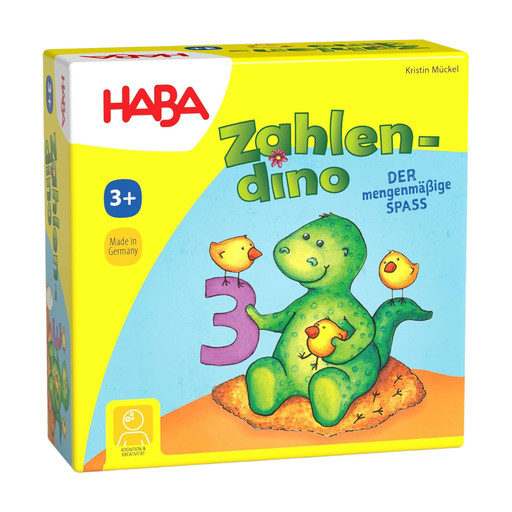
Why This Fits Their Persona: Ideal for preschoolers who want to learn their first numbers, quantities, and counting in a playful way. The game principle is simple and simultaneously promotes memory skills.
This game escapes the "short-lived fun" trap as it can be played alone or with up to four players. The clear age ratings and sturdy cardboard cards minimise safety and quality risks.
Supports early counting and number recognition. Its compact format makes it a practical gift or travel game.
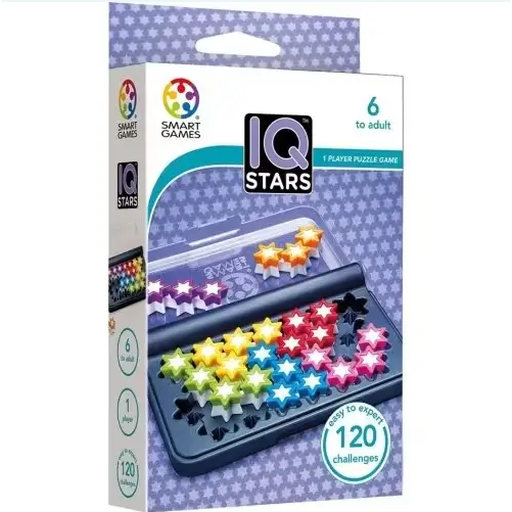
Why This Fits Their Persona: Perfect for anyone seeking a mental challenge on the go or alone. This compact puzzle game fits in any bag and is ideal for train rides, waiting times, or quiet evenings.
With 120 challenges across various difficulty levels, this game offers extremely high replay value and avoids the "short-lived fun" trap. The sturdy plastic case keeps all pieces secure.
Promotes logical and spatial reasoning. The compact design with a lid makes it an ideal travel game.
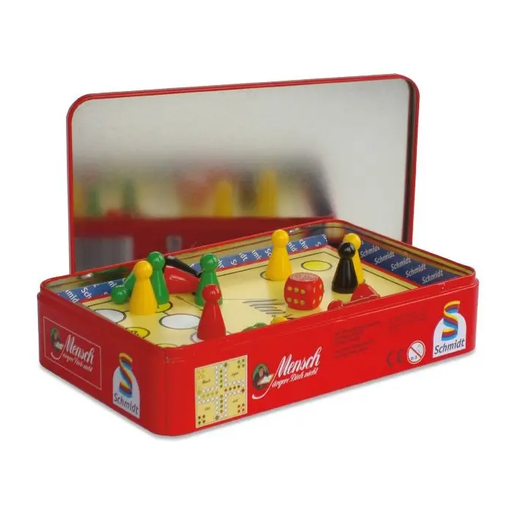
Why This Fits Their Persona: For families looking for a timeless classic that connects generations. The simple rules are quickly explained, and the element of luck ensures that everyone has a chance to win.
This game is the epitome of high replay value. The sturdy metal tin counteracts the "deceptive packaging trap" by keeping the game materials safe and durable, making it ideal for on-the-go play.
Timeless, multi-generational gameplay. The high-quality metal tin ensures durability and portability.
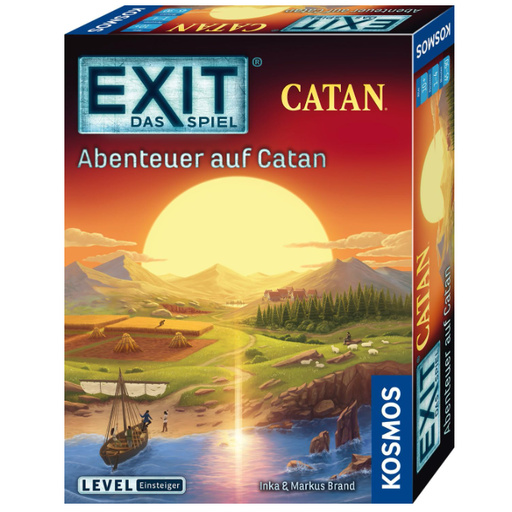
Why This Fits Their Persona: For groups seeking a unique, intense gaming experience. It combines the thrill of an escape room with the familiar world of Catan, making it an excellent event for a game night.
This game is designed for single use, which is part of the concept. It avoids the trap of false expectations by being clearly communicated as an "escape room game." The focus is on an intense, cooperative experience, not on endless replayability.
Brings the escape room experience home. It promotes teamwork, creativity, and logical thinking within an exciting story.
We have compiled a complete, up-to-date list of products that fully meet these strict selection criteria and UK safety regulations.
Look for the CE mark, which confirms compliance with EU safety standards. Check the materials for sturdiness and a clean finish without sharp edges. Durable cardboard for board games, shatterproof plastic, and non-toxic paints are good indicators of quality and longevity.
The age rating refers to the average cognitive and motor skills of children in that age group. It serves as a guideline to ensure the game is neither too simple (leading to boredom) nor too complex (leading to frustration). Always consider the child's individual interests and developmental stage when making a selection.
A good family game often has simple basic rules that can be learned quickly. Look for games that offer a good balance of luck and strategy, so that even younger players have a chance to win. Cooperative games, where everyone works together to win or lose against the game itself, are also an excellent choice to reduce competitive pressure and foster team spirit.