
Lieferung heute & morgen

Qualitätsgarantie

Willkommens-Angebote freischalten: KOSTENLOSE Lieferung | Bis zu 80 % RABATT | Kostenlose 30-Tage-JoyPlus-Testphase
App herunterladen
Choosing the right games for children and families might seem straightforward at first glance. However, many product pages boast about vast game worlds, learning promises or exceptionally long-lasting entertainment. What really matters isn't the marketing claim, but whether the age rating, number of players, playing time, platform and safety information fit your everyday life.
"Age 8+" describes a manufacturer's recommendation, but it doesn't replace a look at the rules. A game might be age-appropriate, yet still unsuitable for younger children due to small parts, long waiting times or complex text. For children's games from age 6, short rules and manageable processes are often more important than a large set of components. For children's games from age 8, strategy, reading and independent decision-making often come into play.
A game for two to four people isn't much help if five people regularly want to play together. The specification "for up to six people" should also be read carefully: some games work well with multiple players, while others become significantly longer as a result. For family gatherings and groups, party games or communicative family games are often more suitable than a tactical game with long individual turns.
With video games, the console comes first. A PS4 game won't automatically run on any other platform; PS5 games, Nintendo Switch games and older consoles each have their own requirements. Additionally, online modes may require an account, an internet connection or a paid subscription. For physical games, you should also check whether the specified version is suitable for the UK market and which PEGI age rating applies.
Pay attention to the recommended age group and any warnings about small parts. A game with parts made of cardboard, plastic or paper may be suitable for children aged six or eight, but must not be given to children under three if it contains small parts that could be swallowed. For video games, the PEGI rating is decisive. It describes the legal age rating, but doesn't indicate whether the game suits a child's temperament or media routine.
The number of players should match your typical group. For a short games evening, formats with a playing time of around ten to 30 minutes are ideal. Chapter-based cooperative games, strategy games or escape room games can take significantly longer. The Schmidt Spiele ZIGGURAT, for example, is designed for two to four people and takes around 45 minutes per chapter. For a family with a limited time window, this information is more important than an extensive backstory.
Board games usually need a flat, stable playing surface. So check the dimensions, storage and materials. A travel format with a compact box is ideal for train journeys, holidays or visits to grandparents. Electronic games, on the other hand, require batteries, a console or additional accessories. When buying travel games, a low weight is practical; for games played on the living room table, easily sortable components and clear instructions are key.
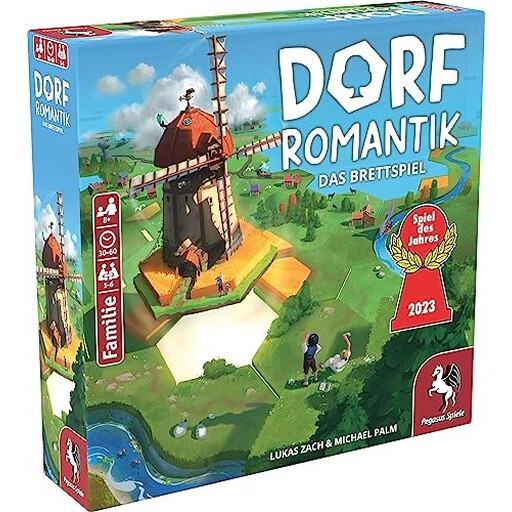
Why this product suits the profile: This cooperative board game is designed for 1–6 players aged 8 and up and requires neither batteries nor assembly. This makes it ideal for families who want to start playing together with manageable accessories.
The number of players, recommended age and lack of battery requirement are clearly stated. This makes it easier to assess space needs and ongoing additional costs.
Cooperative gameplay for 1–6 players; cardboard components and no batteries required.
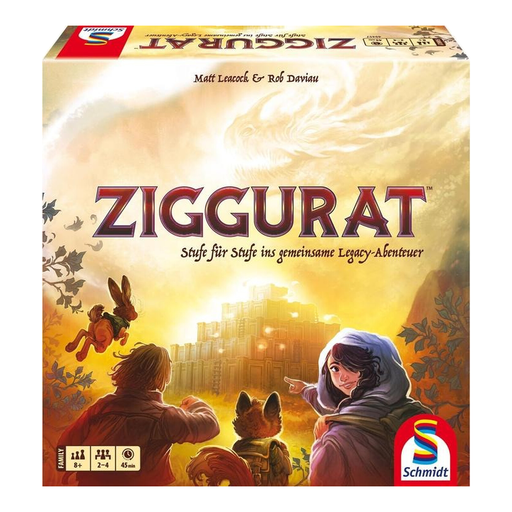
Why this product suits the profile: This cooperative legacy game is designed for two to four players aged 10 and up. Six chapters permanently change rules, game boards and components, appealing to families looking for an ongoing game structure.
The chapter structure and average duration of around 45 minutes are visible before purchase. This allows you to check whether regular game sessions are realistic.
Six narrative chapters; permanent changes to rules, boards and game materials.

Why this product suits the profile: This compact edition is designed for three to six players aged 8 and up. All components are stored in the travel box, making it suitable for car, train, air travel or camping.
The compact design reduces storage space requirements. The number of players, age and included components are clearly specified.
For three to six players; compact dimensions of approximately 4.76 × 15.87 × 25.4 cm.
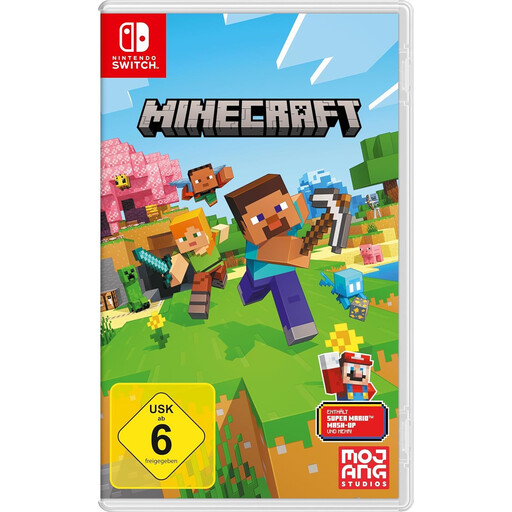
Why this product suits the profile: The PEGI version is rated for ages 6 and up and supports single-player, local play and online functions depending on the mode. Creative and Survival modes offer different ways to play.
The platform, PEGI rating and game modes are clearly stated. For online functions, you can check Nintendo and Microsoft accounts as well as parental control settings in advance.
TV, tabletop and handheld modes; single-player and local play with up to four players on one system.
We have compiled a complete, regularly updated list of products that fully meet these strict selection criteria and the safety regulations in force in the EU.
Games with short rules, a variable number of players and a clear age rating are suitable. Communication and reaction games can work from age 6, while strategy games or legacy games usually require more attention and time.
The lifespan depends mainly on the materials, storage and how cards and playing pieces are handled. All components should be stored in the original box after each round. Paper and cardboard parts last longer if kept dry and protected from direct sunlight.
Physical games initially incur no regular costs. However, online multiplayer, optional additional content, digital purchases or platform subscriptions can lead to further expenses. Before purchase, parents should set up account permissions, parental controls and payment restrictions.