
Lieferung heute & morgen

Qualitätsgarantie

Willkommens-Angebote freischalten: KOSTENLOSE Lieferung | Bis zu 80 % RABATT | Kostenlose 30-Tage-JoyPlus-Testphase
App herunterladen
The range of games and toys for children runs from classic board games to complex puzzle and skill games. But not every product is right for every family: a game may have too many small parts for a four-year-old, while an older child may quickly lose interest in a task that’s too easy.
Before you buy, it’s worth looking out for three common pitfalls:
For toys for children aged 4 and over, simple rules, easy-to-grip pieces and short play sessions are often practical. Even so, they may include marbles, small playing pieces or connectors. Always follow the safety warnings on the packaging.
For toys for children aged 8 and over, more challenging puzzles, skill games and electronic memory games may be suitable. A product such as a Speedcube 6x6 is better suited to experienced cube solvers than beginners, because of its many layers and more complex solving method.
For plastic products, sturdy, well-finished parts and clear information about the manufacturer are important factors to consider. Wooden toys should have a smooth finish, and the material should be clearly stated. Electronic games should also include information about batteries, operation and cleaning.
Take extra care with magnetic products: if a cube contains 36 magnets, follow the age recommendation and safety instructions. Keep small parts away from children under three.
A game that doesn’t need batteries means less ongoing hassle. For electronic products, check the battery type and what’s included. Complex cubes may occasionally need a specialist lubricant to keep the mechanism moving smoothly.
Cleaning should also fit in with everyday life: many products can be wiped with a dry or slightly damp cloth. Liquids and harsh cleaning products may damage electronic components or delicate mechanisms.
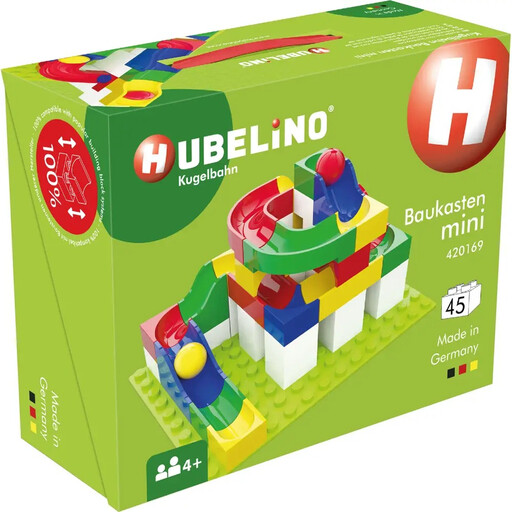
Why this product suits this profile: This 45-piece set is a manageable introduction to building a marble run. It includes a base plate, building blocks, track pieces, marbles and instructions.
The age recommendation of 4 years and over and the detailed parts list make it clear what’s included before you buy. As the set contains marbles, be sure to follow the warning about small parts.
45 pieces, a storage case, no batteries required and compatible with other Hubelino products.
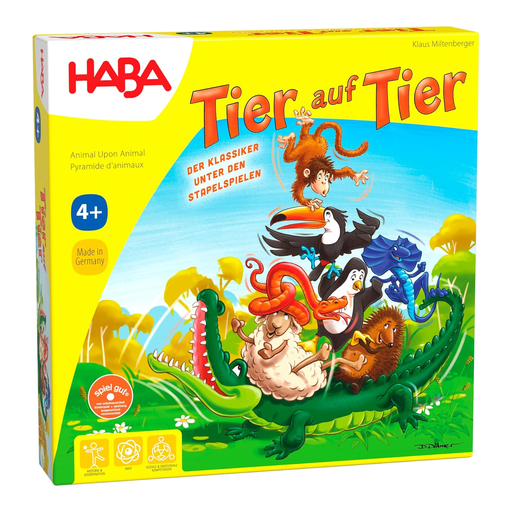
Why this product suits this profile: This wooden game is designed for 2 to 4 players aged 4 and over, and can also be played solo. Its compact dimensions make it easy to store.
The stated wooden material, age recommendation and warning about small parts provide specific information, rather than vague promises about learning.
Wooden figures, 2 to 4 players, a solo-play option and easy cleaning with a dry cloth.

Why this product suits this profile: This compact cube, recommended for ages 8 and over, is suitable for travel and for anyone looking for a hands-on puzzle that doesn’t need batteries.
The description gives the dimensions as 5,84 × 5,84 × 5,84 cm, the weight as 109 g and the number of magnets as 36. This makes it easier to judge whether it’s genuinely practical to take on the go.
Multiple shapes, magnetic connections and a plastic casing; clean with a damp cloth.
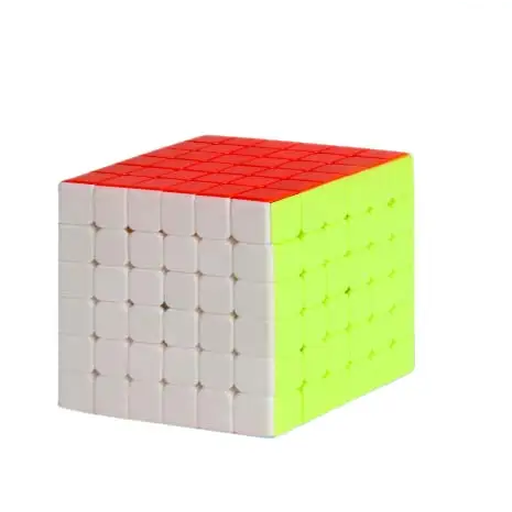
Why this product suits this profile: This multi-layered cube is designed for experienced users who want to explore algorithms and challenging sequences of moves.
The 6×6 version is specifically described as being for experienced cube solvers. This reduces the risk of buying a complex model thinking it’s an ordinary beginner’s cube.
Stickerless ABS plastic, a multi-layered design and a mechanism with an anti-pop core, according to the product description.
We’ve put together a complete, regularly updated list of products that meet these strict selection criteria and fully comply with the safety regulations in force in the EU.
For children aged 4 and over, suitable options include straightforward board games, stacking games and simple construction toys. Look for clear instructions, easy-to-grip pieces and a warning about small parts. An adult should supervise the initial assembly of a marble run.
Lifespan depends on the materials, mechanism and how the product is stored. Wooden figures and sturdy plastic parts can last a long time if kept in a dry place. Electronic games need the right batteries; keep dust out of Speedcube mechanisms and only use a suitable lubricant.
Electronic games usually need batteries. Before buying, check the battery type, what’s included and the instruction manual. Mechanical puzzles, board games and construction toys, on the other hand, often have no ongoing energy costs.