
Lieferung heute & morgen

Qualitätsgarantie

Willkommens-Angebote freischalten: KOSTENLOSE Lieferung | Bis zu 80 % RABATT | Kostenlose 30-Tage-JoyPlus-Testphase
App herunterladen
A suitable gaming chair is more than just a piece of furniture – it's the foundation for long, comfortable gaming sessions and focused work in your home office. But the market is saturated and full of marketing promises. Many models look high-quality at first glance but turn out to be an ergonomic disappointment after just a few months. Before you make a decision, it's crucial to know the most common pitfalls that lead to discomfort and the need for an unnecessary replacement.
The selection can be overwhelming. Many buyers are drawn to flashy aesthetics or supposed special offers, overlooking critical flaws that severely limit user comfort.
To avoid a bad purchase, you should focus on objective and verifiable features. These three parameters are crucial for comfort, durability, and your health.
An ergonomic gaming chair adapts to your body, not the other way around. Look for the following adjustment options, which often make the difference between a simple PC chair and a long-term comfortable seating solution:
The material determines not only the look but also the comfort during long sessions.
The base of the chair is its foundation. No compromises should be made here.
Based on these criteria, we have identified several models that represent a suitable solution for specific requirements and user profiles.
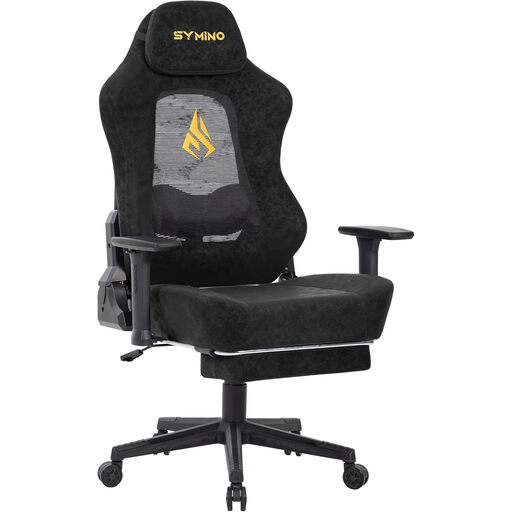
Why this model is a good fit: Ideal for users who spend hours at the PC and prefer a subtle, mature aesthetic. The vintage PU leather look blends well into living or office spaces without looking like a classic gaming chair.
The cut-out mesh backrest solves the heat buildup problem of full PU chairs. The wingless seat design avoids the restrictions of the racing aesthetic.
Adaptive 3D lumbar support for personalised ergonomics and a high load capacity of up to 150 kg thanks to a steel frame and Class 3 gas lift.
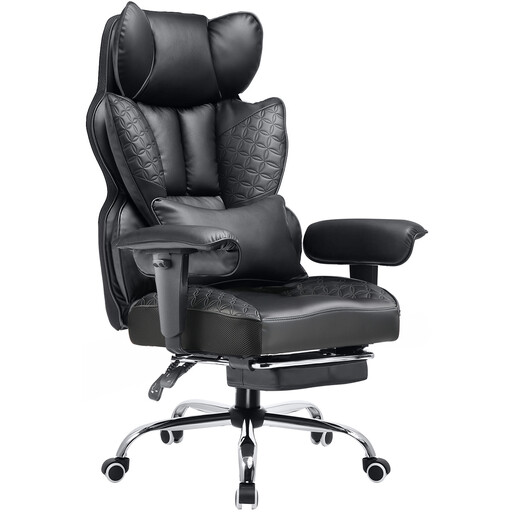
Why this model is a good fit: Designed for tall and heavy individuals who need a robust chair with a high weight capacity and a wide seat. The integrated footrest provides additional comfort for relaxed postures.
This model avoids the trap of unstable mechanics with an explicit "heavy-duty" construction designed for high loads, ensuring long-term stability.
High load capacity and a robust overall construction. The retractable footrest and deep recline function make it a versatile gaming recliner.
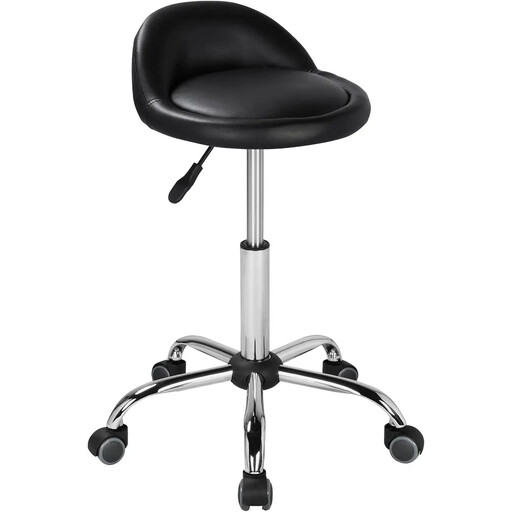
Why this model is a good fit: An unconventional but practical solution for users with limited space or as a flexible secondary seating option in a hobby room. Ideal for shorter sessions where maximum mobility is required.
This model doesn't try to be a full-fledged gaming chair. It focuses on a core function: mobility and a small footprint. This avoids false expectations of complex ergonomics.
360° mobility of the seat and casters, a solid load capacity of up to 120 kg, and a very small footprint. Easy assembly and the easy-to-clean PU surface are further plus points.
We have compiled a complete, up-to-date list of products that fully meet these strict selection criteria and safety regulations.
The lifespan of a gaming chair heavily depends on the quality of its materials and construction. A model with a solid steel frame, a metal base, and a Class 3 or Class 4 gas lift can easily last five years or more with normal use. Cheaper models with plastic components or wooden frames often show signs of wear after just one to two years. Regular maintenance, such as tightening screws, can further extend the lifespan.
The lines between a high-quality office chair gaming model and an ergonomic gaming chair are increasingly blurring. The key is not the label, but the features. A good chair, regardless of category, offers comprehensive adjustment options (lumbar support, armrests, recline angle), promotes a healthy posture, and is made from durable materials. An ergonomic gaming chair can be an excellent office chair, while a basic office chair may be unsuitable for long gaming sessions.
Caring for a faux leather gaming chair is straightforward. In most cases, a soft, slightly damp cloth is sufficient to remove dust and light dirt. If necessary, a mild soap solution can be used. It is important to avoid harsh cleaning agents or solvents, as they can damage the polyurethane surface, making it brittle or cracked. Always dry the surface with a dry cloth after wet cleaning.