
Lieferung heute & morgen

Qualitätsgarantie

Willkommens-Angebote freischalten: KOSTENLOSE Lieferung | Bis zu 80 % RABATT | Kostenlose 30-Tage-JoyPlus-Testphase
App herunterladen
A gaming chair with a footrest promises relaxing sessions and ergonomic support. However, the market is flooded with models of widely varying quality. Before you make a decision, it's crucial to understand the typical weak points that often only become apparent after a few months of use. This guide will help you separate the wheat from the chaff and find a model that serves its purpose for the long haul.
Many products advertise comfort, but the reality is often quite different. Pay close attention to these three design flaws to avoid a bad investment.
To avoid the pitfalls mentioned above, you should focus on verifiable technical specifications when making your choice. These three parameters are decisive for durability and comfort.
The maximum load capacity provides a direct indication of the chair's robustness. A rating of 150 kg or more suggests a reinforced steel frame and a sturdy base. Look for certifications like BIFMA or SGS for the gas lift. These standards ensure the component has been tested for a high number of load cycles and meets safety requirements. A wide wheelbase (approx. 70 cm in diameter) also increases stability against tipping, especially when using the recline function.
The padding is a key determinant of long-term seating comfort. High-density cold cure foam is the preferred choice here, as it retains its shape and doesn't flatten out even after hundreds of hours of use. Cheaper polyurethane foam quickly loses its volume and supportive properties. For the upholstery, you have a choice:
A good ergonomic PC chair or gaming chair must adapt to your body, not the other way around. The following are essential:
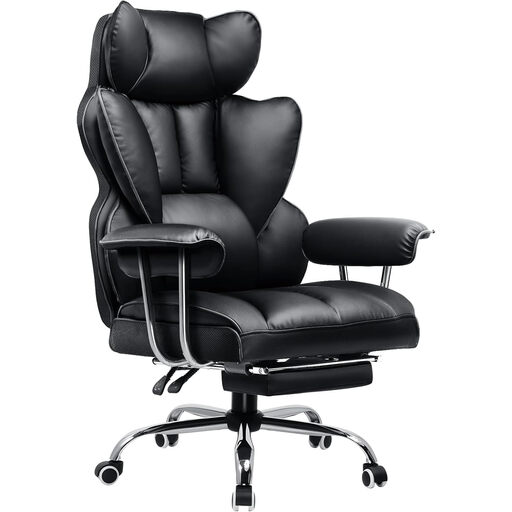
Why This Fits Their Persona: This model offers essential features like a retractable footrest and an adjustable backrest at an accessible price point. It's a solid choice for users looking for a significant upgrade from a standard office chair without needing a premium budget.
Despite its budget-friendly price, the chair is based on a metal frame and high-density foam padding, which sidesteps the trap of rapid wear and tear.
Offers a recline function up to 135° and an integrated footrest, which is a great combination for relaxation breaks in this price category.
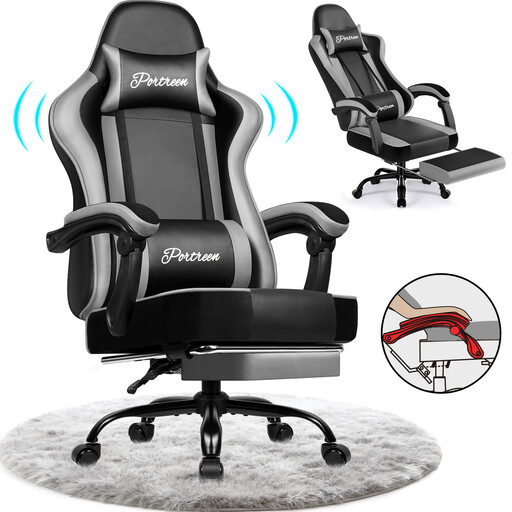
Why This Fits Their Persona: Designed for power users who prioritize maximum durability and longevity. The high weight capacity of 150 kg and BIFMA/SGS certification indicate a construction that can withstand intense and prolonged use.
According to the manufacturer, the footrest is reinforced with a rust-proof metal frame, directly addressing the pitfall of an unstable construction. The high load capacity and certified gas lift prevent typical stability issues.
The extreme backrest recline from 90° to 170° makes it a true gaming recliner. The shape-retaining foam ensures lasting comfort.
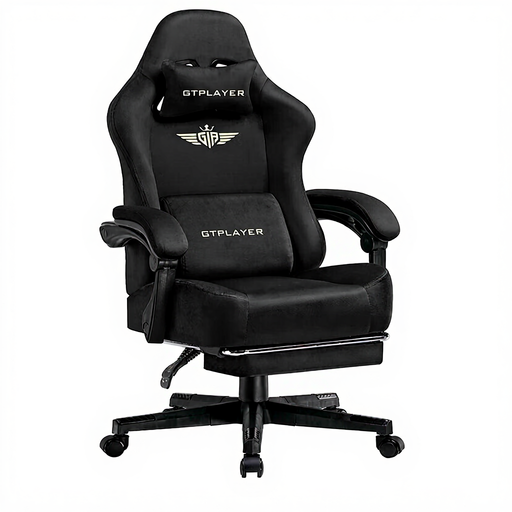
Why This Fits Their Persona: For users who need an ergonomic chair for the home office that is also suitable for gaming and isn't too visually aggressive. The soft fabric upholstery blends seamlessly into a professional or home environment.
It avoids the trap of the "gamer-only look" and sweaty PU leather. The breathable fabric upholstery offers superior climate comfort during long workdays without compromising on core ergonomic features like the footrest and recline function.
The fabric upholstery is skin-friendly and breathable, significantly increasing seating comfort compared to faux leather. The 150 kg weight capacity indicates a solid construction.
We have compiled a complete, up-to-date list of products that fully meet these strict selection criteria and safety regulations.
Yes, many models are excellently suited for the home office. An ergonomic gaming chair often offers more flexible adjustment options than a standard office chair in the same price range. Features like adjustable lumbar support, an extensive recline function, and a footrest can boost concentration and reduce fatigue during long workdays. Models with fabric upholstery and a more subtle design also fit well into a professional environment.
The lifespan heavily depends on the quality of the components and the intensity of use. A chair with a solid steel frame, an SGS-certified gas lift, and high-density cold cure foam padding can easily last 5 years or more with normal use. Inexpensive models with low-quality materials often show significant signs of wear, such as flattened padding or a failing gas lift, after just 1-2 years.