Horror gamers who value audio detail
If you mostly play solo, you’ll want to hear quiet cues, dialogue and atmosphere clearly, rather than relying on a surround sound claim alone.


When choosing a headset for survival horror on a big screen, start by checking whether its connection supports game audio and, if needed, chat from your specific console or PC. Screen size alone won’t determine this. Next, consider how clearly you can hear quiet cues and dialogue, as well as how comfortable the headset feels over longer sessions. A wired connection saves you from charging, but the cable needs to reach your seat. With a wireless headset, check the connection method, whether you need a receiver, and the battery life.
If you mostly play solo, you’ll want to hear quiet cues, dialogue and atmosphere clearly, rather than relying on a surround sound claim alone.
If you sit some distance from your console in front of a big screen, first check which wired or wireless connection works with your gaming device.
For longer gaming sessions, fit, possible charging breaks and distracting noises in the room may all affect your choice.
First check the connection to your gaming device, then compare audio detail, comfort and the practical implications of choosing wired or wireless.
| Consideration | What to check before buying | Who it matters most to |
|---|---|---|
| Quiet cues and dialogue | Reviews of the exact model and how clearly it reproduces quiet passages; don’t choose surround sound based on a marketing claim alone. | If I want to hear cues and dialogue clearly in quieter scenes, audio detail comes first for me. Around 26% of consumers put this need first. |
| Connection and compatibility | Check the gaming device, exact model, connection for game audio and microphone, and any receiver you may need. | If I want to make sure game audio and chat work with my console or PC, the right connection comes first. Around 26% of consumers share this concern. |
| Comfort during long sessions | Try the ear cushions and adjustability for yourself if possible; for wireless models, consider battery life and how you’ll use the headset. | If I play for longer, I want a fit that suits the shape of my head and to avoid unnecessary charging breaks. Around 21% of consumers put comfort first. |
| Freedom to move in front of a big screen | For a wired headset, check the cable routing you’ll need; for wireless, consider the receiver connection, range and charging. | If a cable between my seat and device would get in the way, I’d consider a compatible wireless connection, while bearing the battery in mind too. Around 16% of consumers prioritise freedom of movement. |
| Chat and noise in the room | Assess the microphone and mute function separately from ANC for your ears; make sure you can still hear your surroundings if needed. | If I want to be clear on voice chat or stay alert despite noise in the room, I check the microphone and noise isolation separately. Around 11% of consumers put chat or room noise first. |
Bluetooth, a USB receiver and a direct console connection are different ways to connect. A wireless claim alone doesn’t prove that game audio and chat will work with your device.
Before choosing, check your gaming device, the full model name, the connection method, and support for game audio and chat. PlayStation advises checking the instructions for the specific model when using third-party headsets.
ANC affects the sounds you hear; it doesn’t tell you how your voice will come across in chat.
If noise in the room is a concern, check both what you hear and the microphone on the specific model. Also consider whether you need to hear what’s happening around you.
Sony lists ANC, a boom microphone and wireless connectivity for the INZONE H9 II.
SteelSeries describes the Arctis Nova Elite as featuring GameHub for users with multiple gaming devices and audio sources.
The Maxwell is available in separate Xbox and PlayStation versions.
The MMX 150 wireless is a closed-back model; beyerdynamic lists wired and Bluetooth connections separately.
Xbox describes its Wireless Headset as connecting directly to Xbox consoles; according to Xbox, the Xbox Stereo Headset uses a 3.5 mm connection on the controller.
This selection includes wireless gaming headsets and wired 3.5 mm models. Before buying, check that the connection method suits your gaming device and where you sit.
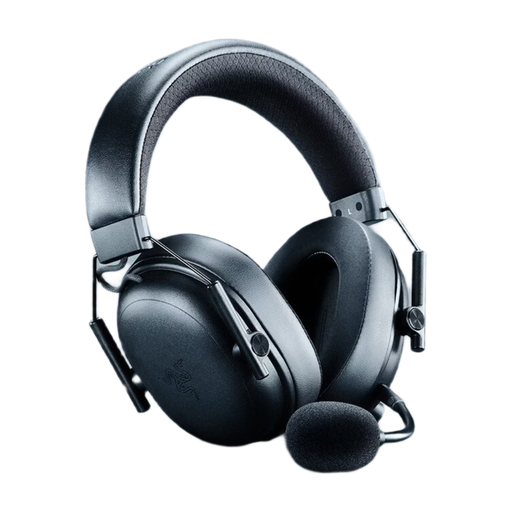 No image available
For wireless gaming on PC or PS5; the product description lists 2.4 GHz, Bluetooth and USB cable connections, as well as a detachable microphone.
It also states up to 70 hours of battery life and a weight of 270 g.
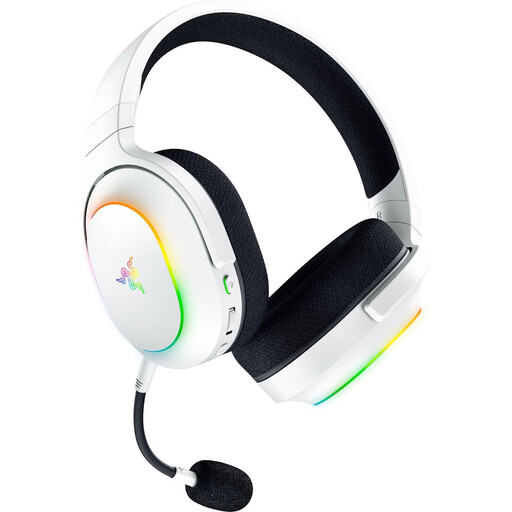 No image available
For wireless use; the product details list HyperSpeed 2.4 GHz, Bluetooth 5.3 and a detachable microphone.
The stated battery life is up to 70 hours and the weight is 285 g. Check the connection method for your specific gaming device.
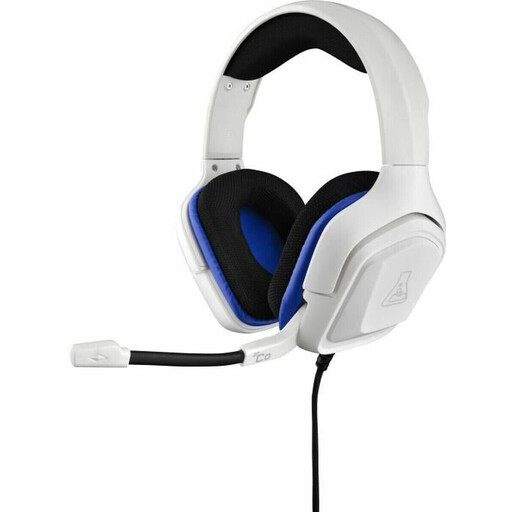 No image available
For a wired connection via 3.5 mm; the product description lists PC, PS4, PS5, Xbox and Switch as compatible devices.
The cable is listed as 2.1 m long. The headset also has a flexible omnidirectional microphone and weighs 237 g.
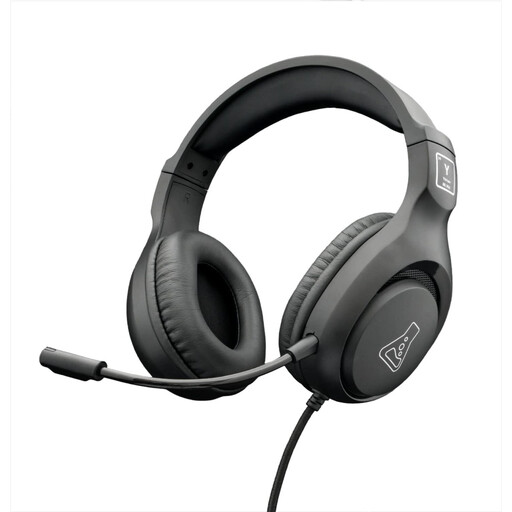 No image available
For a 3.5 mm connection; the product description lists PC, PS4, PS5, Xbox and Switch as compatible devices.
Features include a detachable omnidirectional microphone, passive noise isolation and a weight of 280 g.
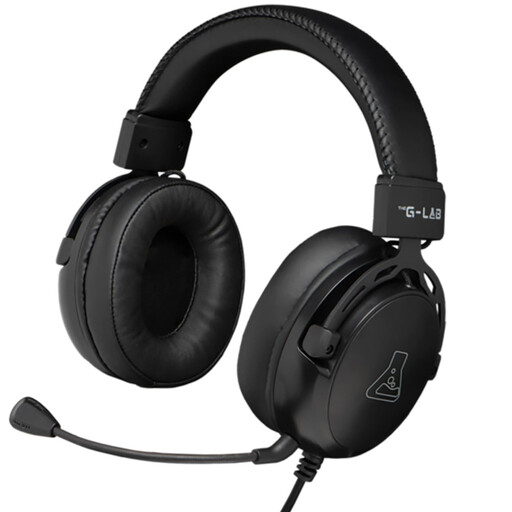 No image available
For a wired connection via 3.5 mm; the product description lists PC, PS4, PS5 and Xbox as compatible devices.
The model is described as having a detachable microphone, passive noise isolation and a weight of 280 g.
No. A Bluetooth claim alone doesn’t confirm this. PlayStation’s original PS5 FAQ rules out third-party headsets over a standard Bluetooth connection. Its support guide describes using a USB adaptor with supported PlayStation wireless headsets and directs users of third-party headsets to the instructions for their specific model. So check the connection method listed for the specific model on PS5.
PlayStation says to charge the headset first using the supplied USB cable, plug the USB adaptor into the PS5, then switch on the headset. For a third-party model, follow the manufacturer’s instructions for that exact model.
The World Health Organization recommends keeping the volume moderate and taking regular listening breaks. Volume, listening duration and how often you’re exposed to loud noise all affect the risk; this advice doesn’t assess whether a particular headset is suitable.
No. Verbraucherzentrale distinguishes statutory rights against the seller from a voluntary guarantee. Check any additional guarantee terms for the specific offer separately.
The German Federal Network Agency explains that products covered by the relevant EU harmonisation rules must carry CE marking. You can’t determine whether a specific device meets the applicable requirements from the product description alone.