Choose a gaming laptop based first on the most demanding game you want to play and the settings you expect to use. Then consider screen size, desk space and how noisy it gets under load. Paradox Interactive lists 16 GB RAM and desktop graphics cards such as the RTX 3080 with 10 GB among the recommended PC specifications for Cities: Skylines II; this does not indicate equivalent performance from a laptop GPU. For a home office desk, the exact device configuration and relevant test results matter just as much as having enough room for your mouse and work materials.
Which priorities suit which players?
Players of demanding city-building games
If you want to play Cities: Skylines II, check the full specification of the specific laptop you’re considering. Paradox Interactive publishes PC system requirements, but these do not prove the performance of any particular laptop configuration.
Map and menu planners
If you spend a long time looking at maps and control panels, weigh screen size and resolution against the space available on your desk. ASUS and MSI list display and chassis dimensions for specific models or named product families.
Players sharing a desk
If you also use your desk for work, allow space for your mouse and paperwork, and keep the vents clear. ASUS Support notes that fan speeds can increase during processor-intensive use.
What should you look for when buying?
Start by deciding which game you want to play and at what settings. Then match the screen, noise levels and footprint to your workspace; the table focuses on the most important buying priority in each case.
| Priority |
What to look for when buying |
Who will care most? |
| Performance for your chosen game |
Choose your game and settings, then compare the processor, RAM, exact laptop GPU and its stated power, and available storage for the specific model. Paradox Interactive lists recommended PC system requirements for Cities: Skylines II, but these cannot be directly applied to laptop GPUs. |
If Cities: Skylines II or another demanding city-building game is my main priority, I want to assess the exact specifications rather than just the name of a GPU series. Around 36% of consumers put suitability for their most demanding game first. |
| Maps and control panels |
Check the screen size, resolution and aspect ratio alongside the chassis dimensions. ASUS lists a 16-inch screen and 1920 × 1200 pixels for the TUF Gaming A16 FA608UH-RV027W; MSI also lists 1920 × 1200 pixels for the Cyborg-14-A13V family. |
If I want a good view of maps and menus on the built-in display, I compare the screen with the space the laptop takes up on my desk. Around 22% of consumers prioritise screen readability. |
| Fan noise in a home office |
Look for independent noise measurements of the exact configuration under load, and keep the vents clear at your desk. ASUS Support explains that processor-intensive use can increase fan speeds. |
If I need a quieter shared workspace during long gaming sessions, the noise levels of the specific device matter to me. Around 14% of consumers put low noise levels first. |
| Room for your mouse and work |
Measure the usable width and depth of your desk and compare them with the dimensions of the specific model. Also allow room for your mouse and clear airflow. MSI lists dimensions of 314,7 × 233,5 mm for the Cyborg-14-A13V family, while ASUS lists 35,4 × 26,9 cm for the TUF Gaming A16 mentioned above. |
If I need room for my mouse and work materials alongside my laptop, I want to check the overall footprint in advance. Around 14% of consumers prioritise clear desk space. |
| Configuration and upgrade options |
Check the full model number, installed RAM, slots, SSD and operating system for the specific version. Lenovo lists two DDR5-SODIMM and two M.2 slots for the LOQ-15IRX10 platform; check the actual configuration of the individual device separately. |
If I want to plan the memory configuration carefully or allow for future changes, I need details of the specific version rather than the whole product family. Around 14% of consumers prioritise configuration and possible upgrades. |
Common buying and usage mistakes
-
Assuming desktop GPU specifications apply to laptop GPUs
Game requirements may list desktop graphics cards, while laptops use different mobile GPUs and configurations. A similar-sounding name proves neither equivalent performance nor a particular frame rate.
Check the full model number, the exact laptop GPU and, if possible, a test of that configuration in the game you want to play.
-
Choosing based on screen size alone
The screen size does not tell you how much desk space the chassis will take up. Your mouse, cables and work materials need room too.
Measure the space available and compare the laptop’s width and depth with your preferred screen size.
-
Taking cooling claims as a promise of quiet gaming
A cooling system highlighted in an advert or clear airflow paths do not prove how noisy a laptop will be in the game you want to play. ASUS Support notes generally that fans may run faster during processor-intensive use.
If noise matters in your workspace, look for independent load measurements for the exact version and keep the vents clear.
-
Confusing the warranty, statutory rights and right to cancel
A voluntary manufacturer’s warranty is not the same as your statutory rights against the seller. Cancelling an online purchase is a separate process.
Check separately who the seller is, which warranty terms apply and what cancellation information is relevant to your specific purchase.
Relevant brands as configuration examples
Lenovo
The LOQ-15IRX10 family is an example of a 15-inch gaming range where you can compare the CPU, RAM, GPU and ports for each specific version.
- Lenovo lists two DDR5-SODIMM slots and various GPU options for the platform.
- Family-level specifications and manufacturer claims about cooling do not prove the performance or noise levels of every configuration in Cities: Skylines II.
ASUS
The TUF Gaming A16 FA608UH-RV027W is a specific example of a 16-inch laptop with documented display and chassis specifications.
- For this version, ASUS lists 1920 × 1200 pixels, 16 GB RAM and an RTX 5050 Laptop GPU.
- These manufacturer specifications are not an independent gaming test and do not automatically apply to other A16 versions.
MSI
The Cyborg-14-A13V family is an example of a compact chassis, while the Titan 18 HX AI represents a much larger product family.
- MSI lists a footprint of 314,7 × 233,5 mm for the Cyborg 14 and notes that different GPU options are available.
- The Titan family includes different display options. This does not indicate a single, consistent configuration or noise level.
Razer
According to the manufacturer’s positioning, the Blade 18 is aimed at buyers considering a large built-in display and a desktop replacement.
- Razer distinguishes between the 2025 and 2026 model years in the range, as well as different GPU versions.
- The manufacturer’s positioning does not prove performance in a particular city-building game; Razer lists a width of 399,96 mm for the 2026 range.
Joybuy products for gaming and working from home
The following Joybuy listings include gaming laptops with a range of screen sizes and configurations. Compare the exact specifications with your chosen game, the space available and your workspace requirements.
 No image available
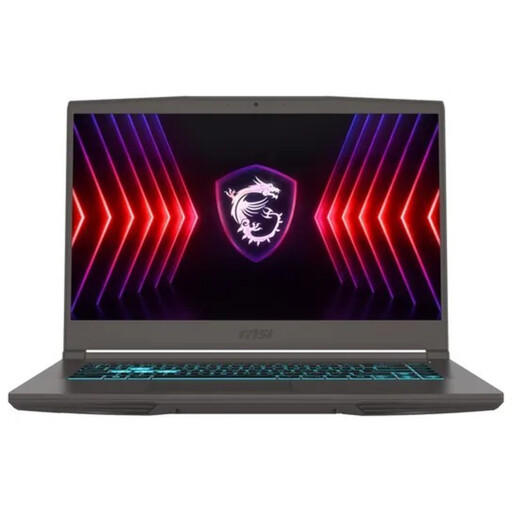
MSI Thin 15 B13UC-3475NN
A 15.6-inch configuration for buyers comparing gaming laptops with Full HD displays for desk use.
Intel Core i5-13420H, 16 GB RAM, 512 GB SSD, NVIDIA RTX 3050, Full HD display with 144 Hz refresh rate.
View at Joybuy
 No image available
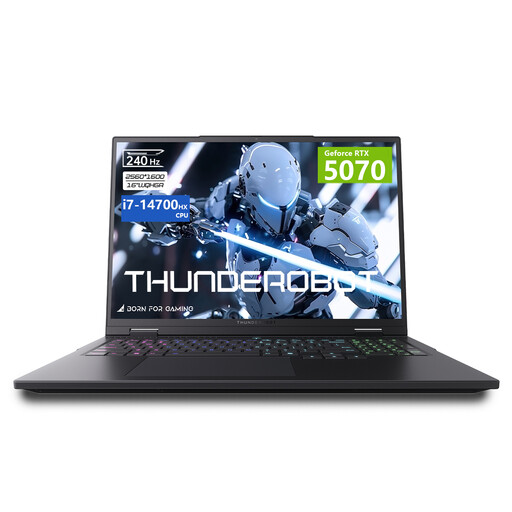
THUNDEROBOT Radiant 16
For buyers comparing a specific gaming configuration with a 16-inch display and a listed laptop GPU.
Intel Core i7-14700HX, RTX 5070 Laptop GPU with 115 W, 32 GB RAM, 16-inch display with 240 Hz refresh rate, 8 GB GDDR7.
View at Joybuy
 No image available
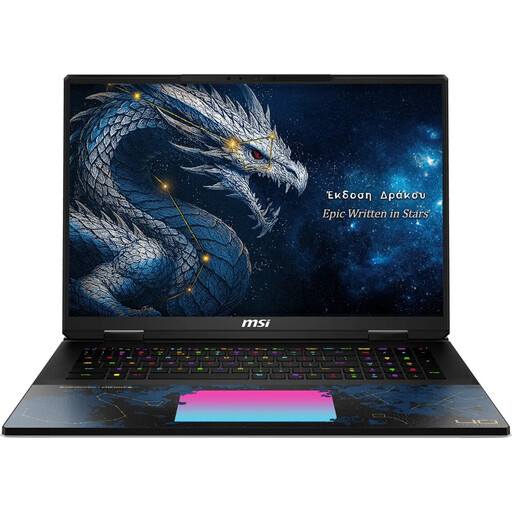
MSI Titan 18 HX Dragon Edition Draco Epic A2WJ-1218
An 18-inch configuration for buyers who want a large built-in display and have enough space for it.
Intel Core Ultra 9 290HX Plus, NVIDIA GeForce RTX 5090 with 24 GB, 96 GB DDR5, 4 TB SSD, UHD+ Mini-LED display with 240 Hz refresh rate.
View at Joybuy
 No image available
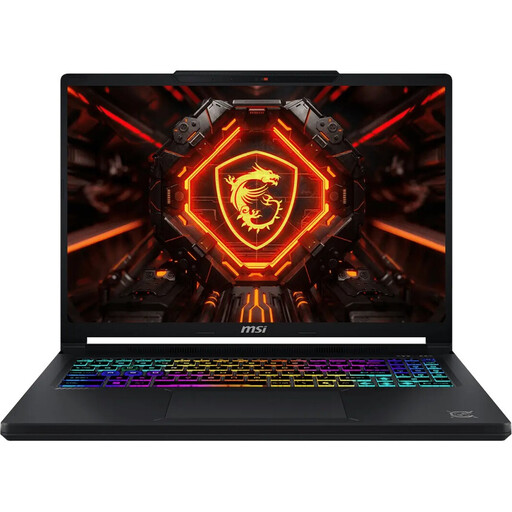
MSI Crosshair 16 Max HX E2WGXK-023
For buyers comparing a 16-inch configuration with an OLED display and a listed RTX 5070 specification.
Intel Core Ultra 9 275HX, NVIDIA GeForce RTX 5070 with 12 GB, 16 GB DDR5, 1 TB SSD, QHD+ OLED display with 165 Hz refresh rate.
View at Joybuy
 No image available
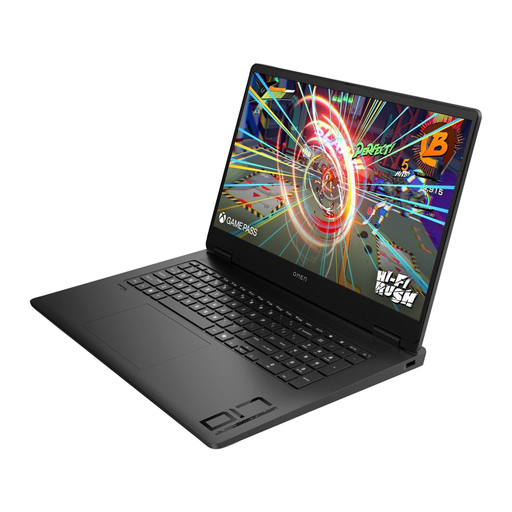
HP OMEN 17-db1071ng
A 17.3-inch configuration for buyers weighing up a larger built-in display against the space it takes up on a desk.
AMD Ryzen AI 7 350, RTX 5050 with 8 GB, 16 GB RAM, 1 TB SSD, Full HD display with 144 Hz refresh rate, Windows 11.
View at Joybuy
Frequently asked questions
Are Cities: Skylines II’s published minimum requirements enough for a large city?
No. They do not guarantee performance for a particular city size or laptop configuration. Paradox Interactive publishes minimum and recommended PC specifications; also look for a relevant test of the exact laptop version.
How should I set up my laptop for longer gaming sessions?
Keep the vents clear and check for dust build-up. ASUS Support notes that blocked airflow can affect cooling; this does not tell you the measured noise level of a specific model.
What are your rights if a laptop bought online in Germany is faulty?
For consumer purchases in the EU, the statutory guarantee period is generally at least two years from receipt of the goods. An additional manufacturer’s warranty does not replace your rights against the seller. Online purchases also generally come with a 14-day right to cancel, which you must notify the retailer that you are exercising.


