Lieferung heute & morgen

Qualitätsgarantie

Willkommens-Angebote freischalten: KOSTENLOSE Lieferung | Bis zu 80 % RABATT | Kostenlose 30-Tage-JoyPlus-Testphase
App herunterladen
The modern living space is a place of fluid transitions. The boundaries between the office, the studio, and the private sanctuary are dissolving. A single object must now often fulfill multiple roles: as a tool for focused work, a medium for creative expression, and a portal to digital worlds. This requirement presents a unique challenge for the design of high-performance technology. How does one integrate a device designed for maximum computing power into a deliberately designed, tranquil home without disrupting its visual harmony? The answer lies in a new generation of objects that no longer flaunt their performance, but instead cast it into a quiet, sculptural form.
The evolution of the high-performance laptop mirrors our changing ways of working and living. Previously, such devices were often bulky and visually dominant, clearly identifiable as purely functional objects. Today, we are witnessing a remarkable convergence. A high-end gaming notebook is no longer reserved just for gaming. It has become a mobile workstation used by architects for 3D visualisations, filmmakers for 4K video editing, and developers for complex AI applications. This transformation is driven by technological advancements that pack immense power into increasingly slim and aesthetically sophisticated chassis.
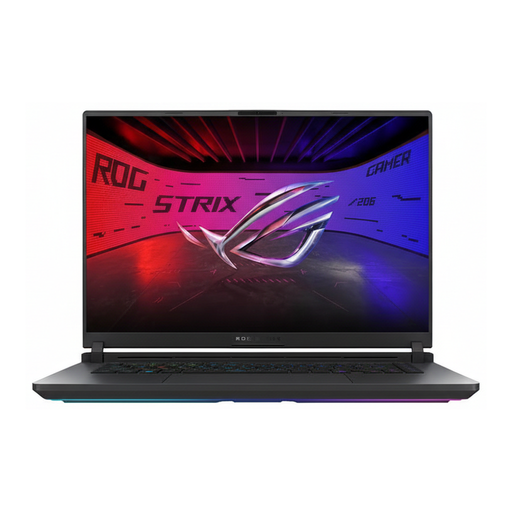
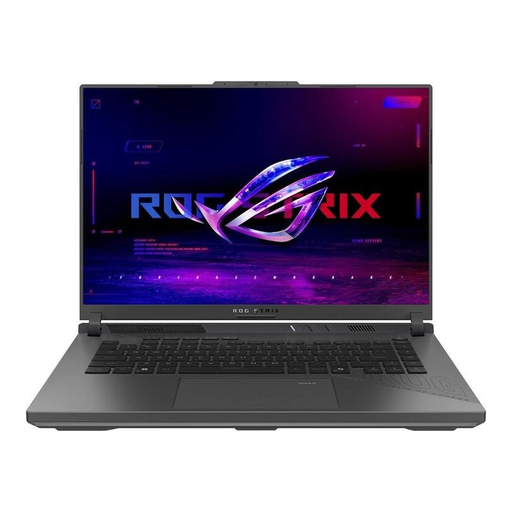
The foundation for this is built on processors like the Intel Core Ultra 9 series and graphics card architectures found in an RTX 5090 laptop or a laptop with an RTX 5070. These components enable computations that, just a few years ago, were reserved for large desktop systems. But the true innovation lies in the holistic approach to the device's design. Manufacturers are increasingly emphasizing a design language that draws inspiration from high-end furniture and objects. Precisely crafted metal chassis, minimalist lines, and sophisticated cooling systems that operate quietly even under load are all expressions of this new philosophy. Today, a large 17-inch gaming laptop, with its colour-calibrated display and understated design, can form the centrepiece of a creative workspace without feeling out of place. Function no longer merely follows form; instead, the two merge into a unified whole of performance and aesthetics.
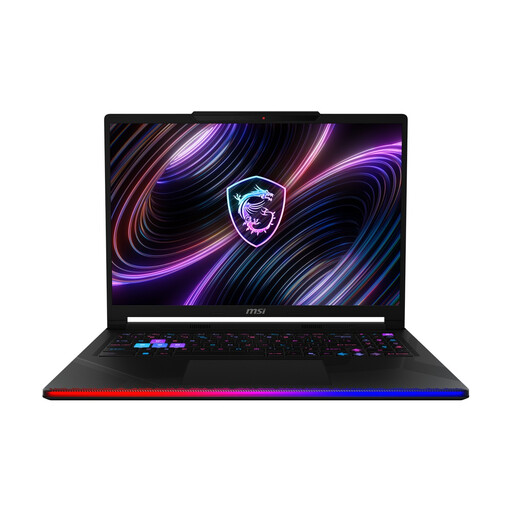
Choosing the right device is a matter of personal workflow and spatial context. For users who require maximum visual real estate for complex projects or immersive experiences, models with large displays are a logical choice. A device like the MSI Titan 18 HX AI A2XWJG-656 combines an 18-inch UHD+ Mini-LED display with the processing power of an NVIDIA GeForce RTX 5090 and a mechanical keyboard. It deliberately blurs the lines between a mobile device and a full-fledged desktop workstation, serving as a central anchor for the most demanding creative tasks.
For others, the focus is on the balance between performance, portability, and a specific set of requirements. A balanced system like the MSI Katana 17 HX B14WGK-065 offers a solid foundation for a wide range of applications, from game development to video editing, with its combination of an Intel Core i7 processor and an RTX 5070 graphics card. In professional environments, where certified drivers and guaranteed stability are crucial, specialised mobile workstations come into focus. The DELL Precision 7780 is one such tool, with its NVIDIA RTX 3500 Ada graphics card optimised for reliable operation in engineering and scientific applications. Meanwhile, slimmer, AI-focused models like the MSI VenturePro A16 AI+ A3HWEG-003 demonstrate that high, specialised performance is also possible in lighter form factors, ideal for creatives and professionals who are frequently on the move.
For creatives seeking a curated selection of tools for demanding audio and video projects, the directory for the laptop for music production offers further insights.