What should you look for when buying?
Start by deciding which games and settings matter to you. Then check how the display, ports and noise levels will work with your workspace.
| What matters when buying |
What to check |
Who it matters most to |
| Performance for the games you play |
Compare the CPU, RAM, graphics and available storage with your games’ requirements and your preferred settings. |
If I want to play specific games, I compare their requirements with the full configuration rather than looking only at the GPU name. Around 31% of consumers put performance suited to their games first. |
| Screen and workspace |
Check the display size and format, the space available for your mouse and laptop, and the right outputs for your existing monitor. |
If I use the game interface and work windows in the same space, I need a display and connection setup that suits my desk. For around 25% of consumers, matching the screen to the workspace is a priority. |
| Fan noise |
Compare noise measurements for the exact model version and a workload that matters to you; don’t assume results at maximum load apply to every game. |
If I work and play in the same room, noise under my usual gaming workload matters more than maximum peak performance. Around 25% of consumers put a quiet home office first. |
| Total cost and upgrades |
Check the exact RAM and SSD configuration, any available slots and the conditions for future upgrades. |
If I want to upgrade the specification later, I compare the exact configuration and service conditions with what I need. For around 19% of consumers, total cost and upgradeability are the main considerations. |
Gaming laptops at Joybuy
The Joybuy products below include gaming laptops with 16- to 17.3-inch displays and a range of components. Check each full configuration against your games, workspace and preferred ports.
 No image available
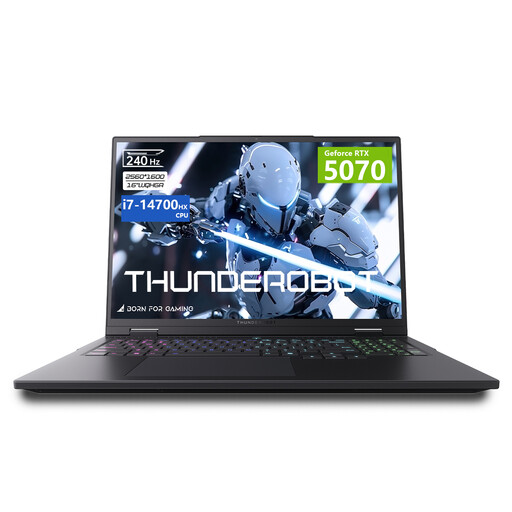
THUNDEROBOT Radiant 16
If you’re considering a 16-inch laptop, compare this configuration with the requirements of your games and preferred settings.
- Intel Core i7-14700HX
- NVIDIA GeForce RTX 5070
- 32 GB RAM
- 16 inches, 240 Hz
View at Joybuy
 No image available
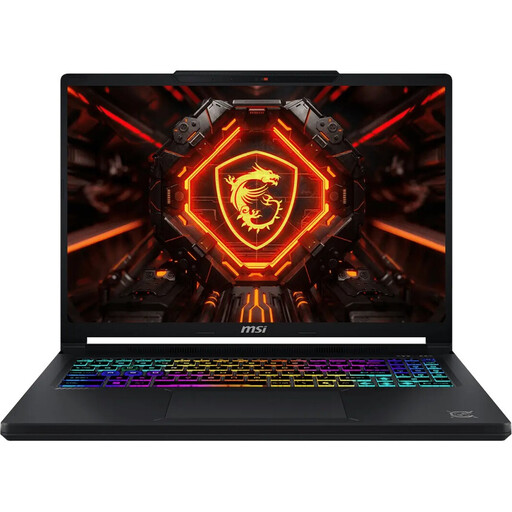
MSI Crosshair 16 Max HX E2WGXK-023
If you want to use games and work windows on a 16-inch display, check the resolution, ports and configuration against your needs.
- Intel Core Ultra 9 275HX
- NVIDIA GeForce RTX 5070 12 GB
- 16 GB DDR5, 1 TB SSD
- QHD+ OLED, 165 Hz
- Windows 11 Home
View at Joybuy
 No image available
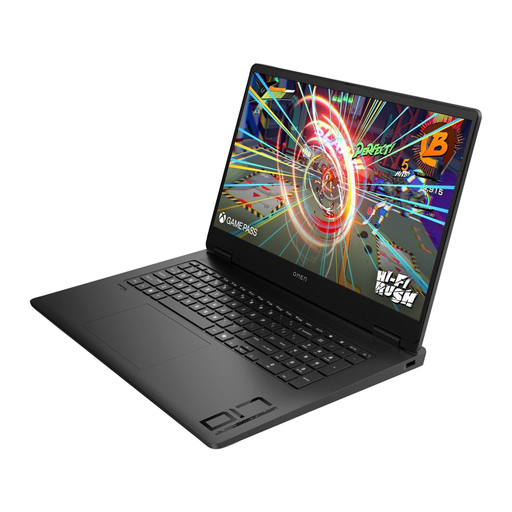
HP OMEN 17-db1071ng
If you want a larger built-in display for games and work windows, check that the 17.3-inch version will fit on your desk.
- AMD Ryzen AI 7
- NVIDIA GeForce RTX 5050
- 16 GB RAM, 1 TB SSD
- 17.3 inches, Full HD, 144 Hz
- Windows 11
View at Joybuy
 No image available
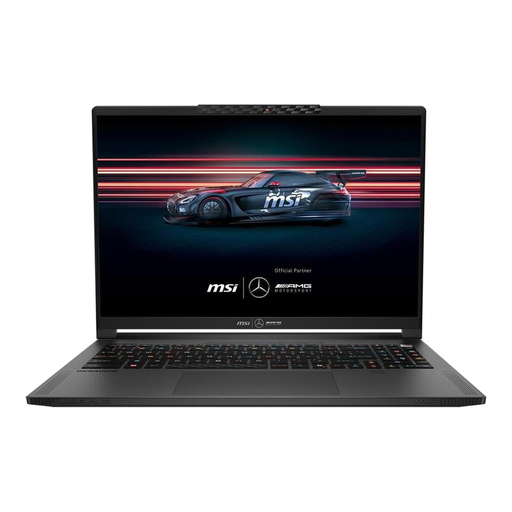
MSI Stealth A16 AI+ Mercedes-AMG Motorsport A3XWGG-052
If you’re comparing a 16-inch configuration with a QHD+ OLED display, check the components and ports on the exact version to make sure it suits your games and workspace.
- Ryzen AI 9 370
- RTX 5070
- 32 GB RAM, 2 TB SSD
- 16 inches, QHD+ OLED
- Windows 11
View at Joybuy
 No image available
THUNDEROBOT Radiant S16
If you use games and work windows on a 16-inch display, compare the resolution and ports with your monitor setup and space requirements.
- AMD Ryzen 7 7745HX
- NVIDIA GeForce RTX 5060
- 16 GB DDR5, 1 TB SSD
- 16 inches, QHD+, 240 Hz
View at Joybuy
Frequently asked questions
How much RAM do I need for Civilization VII or XCOM 2?
It depends on the game and the settings you want to use. Civilization Support recommends 16 GB RAM for Civilization VII at 1080p, 60 FPS and high settings; 2K recommends 8 GB RAM for XCOM 2. These game requirements don’t guarantee a particular frame rate on a specific laptop.
How do I connect my home office monitor?
Compare your monitor’s input and the resolution you want with the outputs on the exact laptop version. ASUS lists HDMI 2.1 and USB4 for the TUF Gaming A16 FA608UM-RV138W. Lenovo lists HDMI and USB-C with DisplayPort functionality for the LOQ-15IRX10 platform; features may vary by configuration. Also check whether you need a suitable cable or docking station.
Can I upgrade the RAM or SSD later?
It depends on the exact model version and its configuration. ASUS lists two DDR5 slots and two M.2 slots for the TUF Gaming A16 FA608UM-RV138W; Lenovo documents two RAM slots for the LOQ-15IRX10 platform. A slot isn’t necessarily empty, so check the configuration, compatible components and service conditions before making any changes.
What are my rights when buying a laptop online in Germany?
If goods are faulty, you have statutory rights against the seller; Your Europe states that these last for at least two years from receipt for purchases in the EU. For a standard online distance purchase, you generally have a 14-day right to cancel. A manufacturer’s voluntary guarantee is separate; also check who is named as the seller in the specific offer.
Is the CE marking a performance rating for gaming laptops?
No, it isn’t an independent assessment of gaming performance. The European Commission explains the CE marking in relation to the EU requirements that apply to relevant products and the responsibilities of manufacturers and importers. Check the product and supplier details for the specific laptop and power supply.


