
Lieferung heute & morgen

Qualitätsgarantie

Willkommens-Angebote freischalten: KOSTENLOSE Lieferung | Bis zu 80 % RABATT | Kostenlose 30-Tage-JoyPlus-Testphase
App herunterladen
The right lighting can transform a gaming room from a simple space into an immersive world. Modular LED wall panels for gaming, in particular, have become a central element of modern setups. But the market is flooded with products whose marketing promises often fall short in practice. Many buyers invest in smart wall lighting only to find that the connectivity is unreliable or the advertised effects are disappointing.
Before you make a purchase, it's crucial to understand the most common pitfalls that can lead to frustration and unnecessary expense. This guide will help you separate the wheat from the chaff and find a lighting solution that truly enhances your gaming experience.
When choosing gaming room decor like LED panels, there are a few recurring issues that buyers encounter. Knowing these will help you search more effectively for high-quality products.
To avoid the problems mentioned above, you should check three core technical aspects. These will reveal the true quality and usability of the LED panels.
The way the individual panels connect is crucial for the stability and flexibility of your design.
Reliable control is essential. Look for products that offer multiple options.
For an immersive experience, the light show should follow the rhythm of the music.
Based on the criteria above, we have identified some products suitable for different needs and budgets.
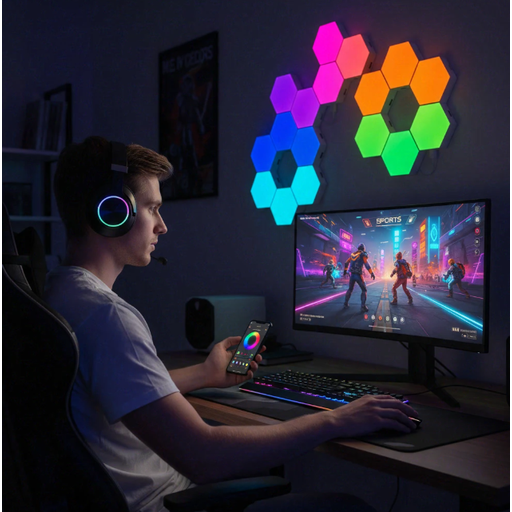
Why This Fits Their Persona: Ideal for gamers who want to customise their setup with a unique and expandable lighting design. The modular hexagon LED panels can be assembled into any pattern, forming the centrepiece of dynamic gaming room decor.
The USB connector system is specifically designed for flexible arrangement and expansion, thus avoiding the pitfall of poor modularity. Music sync is a core feature, not just an afterthought.
Fully modular DIY design; control via app and remote; integrated music sync.
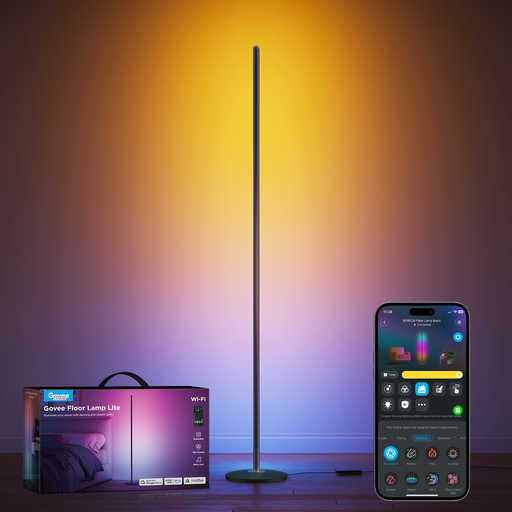
Why This Fits Their Persona: An alternative for users seeking a powerful, freestanding mood light that integrates seamlessly into existing smart home systems. Perfect as a complement to gaming accessories without having to stick anything to the walls.
Govee is known for its polished app and reliable Wi-Fi connectivity. This bypasses the pitfall of faulty app control and offers stable integration with Alexa and Google Assistant.
Alexa/Google Assistant integration; 58 preset scene modes; high light output of 1,000 lumens.
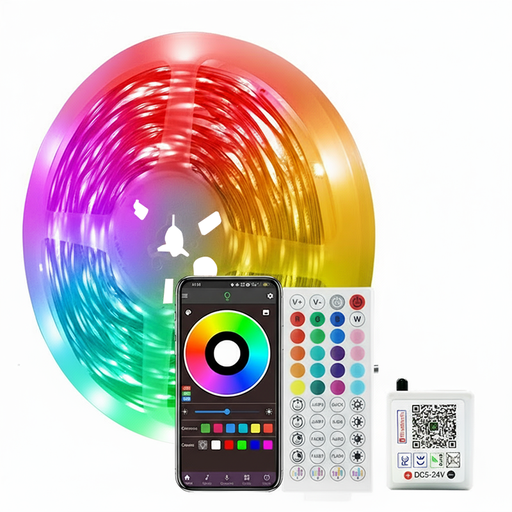
Why This Fits Their Persona: An LED strip is a cost-effective way to dive into the world of RGB lighting. It's excellent for adding accents behind the monitor, under the desk, or along shelves without investing directly in an expensive panel system.
This product bypasses the complexity and cost of modular systems. It offers basic but functional music sync and app control in a simple, straightforward package.
Very simple installation with a self-adhesive back; dual control via app and a 40-key remote.
We have compiled a complete, up-to-date list of products that fully meet these strict selection criteria and safety regulations.
How many LED panels can I connect together? This depends on the manufacturer and the power of the supply adapter. Typically, between 6 and 12 panels can be run on a single power supply. For larger installations, an additional power supply may be required. Be sure to check the product specifications for the exact maximum number before purchasing.
Do LED wall panels require special installation? No, most LED wall panels are designed for easy DIY (Do-It-Yourself) installation. They are typically attached to the wall using strong, double-sided adhesive tape. For optimal adhesion, the wall surface should be clean, dry, and smooth. Adhesion may be compromised on rough surfaces like textured or woodchip wallpaper.
How much power does gaming LED lighting consume? The power consumption of LED lighting is very low compared to traditional light bulbs. A single LED panel typically consumes between 2 and 5 watts, depending on brightness and colour. A set of 8 panels, therefore, has a similar consumption to a small, energy-saving lamp. You can find the exact consumption details on the product label or in the manufacturer's technical specifications.