
Lieferung heute & morgen

Qualitätsgarantie

Willkommens-Angebote freischalten: KOSTENLOSE Lieferung | Bis zu 80 % RABATT | Kostenlose 30-Tage-JoyPlus-Testphase
App herunterladen
The right gaming lighting can transform a simple room into an immersive environment. But the market is flooded with products whose marketing promises often shine brighter than the LEDs themselves. Making the wrong choice leads not only to aesthetic disappointment but also to technical issues and unnecessary expense. Before you invest, it's crucial to know the most common pitfalls and understand which technical features truly matter.
This guide will help you separate the wheat from the chaff. We'll highlight the three most common mistakes when buying gaming light systems and explain the core parameters you should focus on to make an informed decision for your setup.
Many buyers focus on the number of colours or effects, overlooking fundamental technical flaws that can severely impact the user experience.
To avoid these mistakes, you should focus on three core technical aspects. These determine the functionality, longevity, and true value of your smart lighting.
A good lighting system should integrate seamlessly with your existing technology. Check for compatibility with popular voice assistants like Google Assistant or Amazon Alexa. Even more important is the software support: Does the manufacturer offer a stable app? Are there integrations for PC software like Razer Chroma or Overwolf? Brands like Yeelight often provide a well-designed ecosystem that allows for centralised control and synchronisation with games and other hardware.
Choosing the right LED technology is crucial for the visual effects.
The form factor of the lighting elements determines how you can design your gaming room decor.
Based on these criteria, we have identified a few products that offer a fitting solution for specific user profiles.
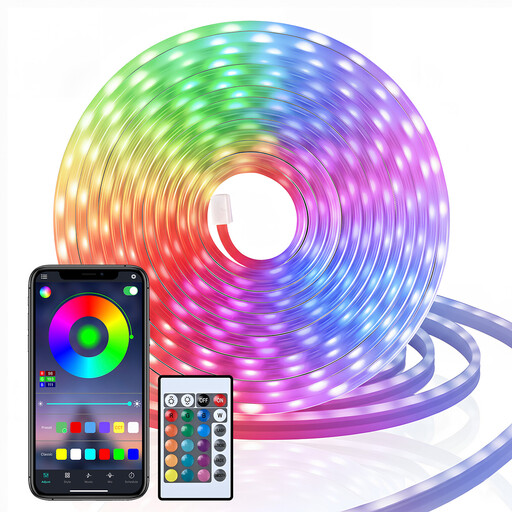
Why This Fits Their Persona: A straightforward and cost-effective solution for anyone looking to get started with RGB lighting without getting lost in complex smart home systems. Ideal for a bedroom or a first gaming setup.
This kit bypasses the incompatible ecosystem trap by operating as a standalone unit controlled via a remote and an optional app. Installation is simple and doesn't require integration into an existing network.
Offers integrated music sync via a built-in microphone and a flexible design for creative DIY projects. The 5V operation is energy-efficient.
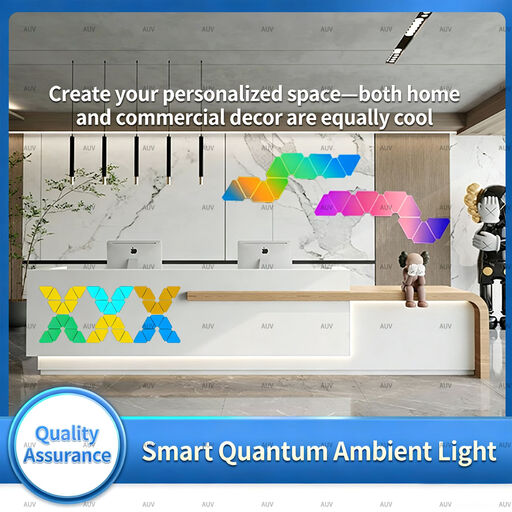
Why This Fits Their Persona: Perfect for users who want to use their walls as a canvas and create unique gaming room decor. The modular design allows for countless creative arrangements, making the setup a visual centerpiece.
The rigid panel form factor sidesteps the problem of failing adhesive strips. Each panel is mounted individually, ensuring stability. Control via app and remote offers a flexible yet self-contained solution.
Complete creative freedom thanks to modular LED wall lights. The app control provides access to over 210 scene modes and reactive music synchronisation.
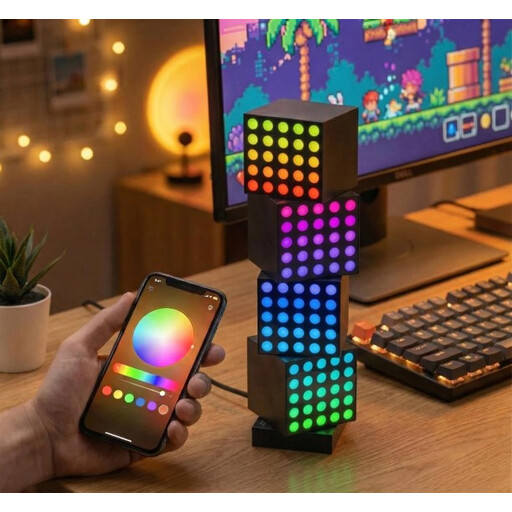
Why This Fits Their Persona: For gamers and streamers seeking the ultimate level of immersion and integration. This system is designed for synchronisation with PC games and offers a future-proof investment through its modularity and expandability.
The Yeelight ecosystem is designed to eliminate compatibility issues. Direct integration with PC software like Razer Chroma ensures seamless synchronisation that goes far beyond simple music visualisation.
Seamless integration with gaming platforms for event-based lighting effects. The modular cube system is expandable (e.g., with spot or matrix modules) and provides unique desk lighting.
We have compiled a complete, up-to-date list of products that meet these strict selection criteria and comply with current safety regulations.
RGB strips can only display one colour across their entire length at a time. RGBIC strips have independent control (IC) chips that allow multiple colours to be displayed in different segments of the strip simultaneously. This enables dynamic effects like flowing gradients, which is more advantageous for an immersive gaming atmosphere.
Yes, most LED strips can be shortened at the designated markings (often indicated by a scissor icon). It is important to cut only at these points to avoid damaging the strip's functionality. Cut-off sections generally cannot be reused without special accessories and soldering skills.
Power consumption is generally low. A typical 5-meter LED strip uses between 15 and 30 watts, depending on brightness and colour. Modular panels or cubes have a similar consumption per unit. Compared to a gaming PC or monitor, the energy demand of the lighting is negligible. Always check the manufacturer's specifications and use only the power adapter provided.