
Lieferung heute & morgen

Qualitätsgarantie

Willkommens-Angebote freischalten: KOSTENLOSE Lieferung | Bis zu 80 % RABATT | Kostenlose 30-Tage-JoyPlus-Testphase
App herunterladen
The right lighting can transform an ordinary room into an immersive gaming arena, a dynamic home cinema, or an atmospheric space for parties. However, the smart lighting market is vast, and the sheer number of products can be overwhelming. This guide is designed to help you understand the different types of gaming lighting and make an informed decision. We will introduce a selection of models and explain which features are most relevant to your needs.
Before you decide on a product, there are several technical and functional aspects to consider. These criteria will help you find the perfect lighting for your individual setup.
The type of lighting you choose largely determines the final effect. LED wall panels in geometric shapes like triangles or hexagons are excellent as a decorative element and gaming room decor. They can be assembled into custom patterns, becoming the visual centrepiece of the room. Flexible RGB light strips, on the other hand, are more versatile. They can be placed discreetly behind a desk, along shelves, or on the ceiling to create indirect lighting. A special type of this is the TV backlight, which is mounted behind a television or monitor to illuminate the wall with colours that match the on-screen content. This can increase perceived screen depth and reduce eye strain during long sessions.
Modern lighting systems offer various control options. App control via a smartphone is now standard, allowing for detailed adjustments of colours, brightness, and effects. Check whether the system is compatible with Alexa & Google Assistant. This integration enables convenient voice control, which is especially useful when you're in the middle of a game or your hands are full. An additional remote control can also be handy if your smartphone isn't nearby.
The functionality extends far beyond simply turning the lights on and off. A key feature for an immersive experience is mood lighting with music sync. This allows the lighting to react in real time to ambient sounds or the music being played, converting the rhythm into dynamic light effects. This transforms games, films, and music into a multi-sensory experience. Many models also offer a variety of preset scene modes for different moods—from a relaxed atmosphere to energetic party lighting.
Here is a selection of products that cover different needs and applications.
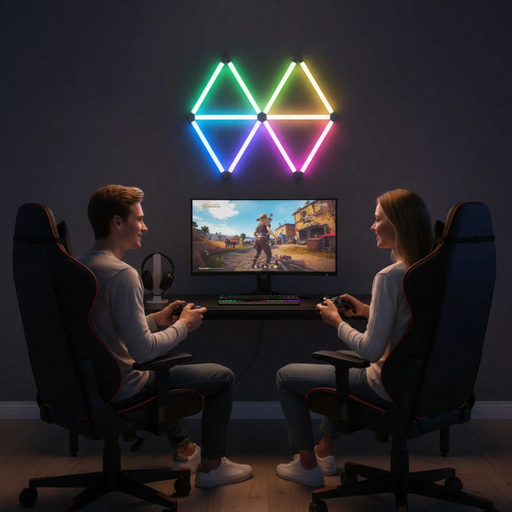
Why It Stands Out: This set of six individual light bars offers maximum creative freedom. The bars can be connected in any shape and mounted on the wall to create a custom light art piece.
Pros:
Who It's For: Creatives looking for flexible and customisable wall lighting to add a unique touch to their gaming room or living area.
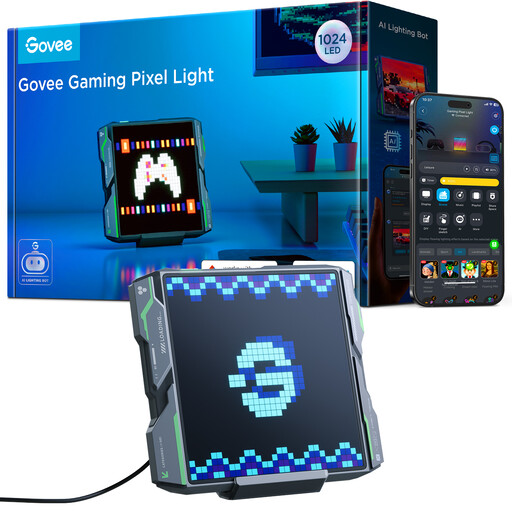
Why It Stands Out: This panel is more than just a light; it's a smart display with a retro pixel art look. According to the manufacturer, Govee, users can create their own pixel art designs via an AI-powered feature or access a large library.
Pros:
Who It's For: Streamers, content creators, and tech enthusiasts looking for a multifunctional and eye-catching decorative piece for their background.
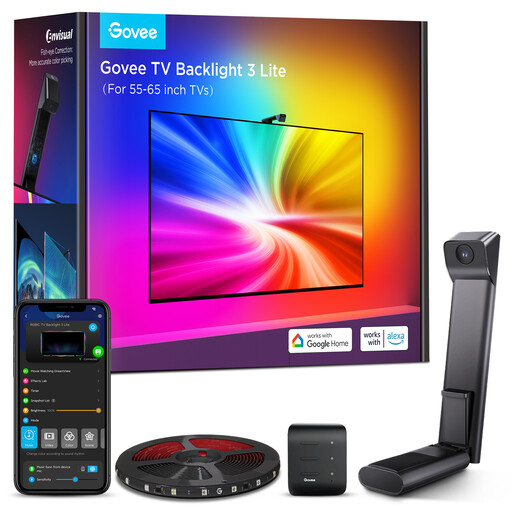
Why It Stands Out: This system was specifically developed as a TV backlight. It uses Govee's proprietary RGBICW technology, which can produce not only coloured light but also warm white tones, to illuminate the wall behind the screen in sync with the on-screen content.
Pros:
Who It's For: Home cinema fans and gamers who want to enhance immersion in films and games with a dynamic, screen-syncing backlight.
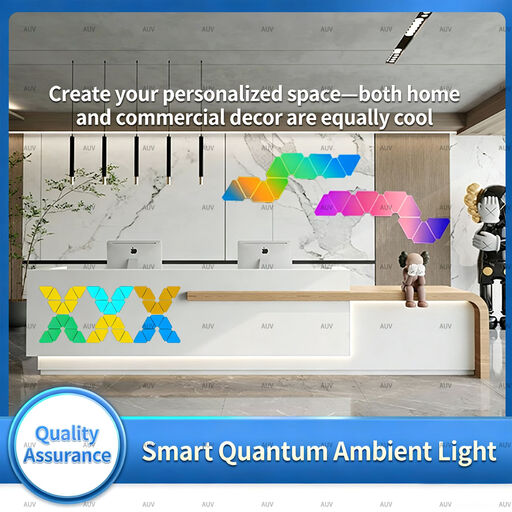
Why It Stands Out: The triangular shape of these LED wall panels allows for particularly creative and geometric arrangements on the wall. The set provides a great foundation for eye-catching gaming room decor.
Pros:
Who It's For: Design-conscious users looking for modular and aesthetically pleasing wall lighting to create accent points in their gaming or living room.
The products featured here cover only a small fraction of the available options. The market offers a wide variety of other shapes, sizes, and features. If you're looking for different designs or specific solutions, you're sure to find the right fit in our broader selection.
Discover more models in our Colour-Changing LED Lamp category.
1. What is the difference between RGB and RGBIC? With conventional RGB light strips, the entire strip can only display one colour at a time. RGBIC (Independent Control) is a more advanced technology where the LEDs are divided into individual segments. Each segment can be controlled independently, allowing a single strip to display multiple colours simultaneously in smooth transitions or patterns. This enables significantly more dynamic and complex lighting effects.
2. How is gaming lighting installed? Most modern lighting systems, such as light strips or wall panels, are designed for easy DIY installation. They typically feature a self-adhesive backing made of double-sided tape. For secure adhesion, it is important that the mounting surface (e.g., a wall or the back of a monitor) is clean, dry, and dust-free. Some panels also use connectors to link the individual elements mechanically and electrically.
3. Does RGB lighting improve gaming performance? RGB lighting does not directly increase your frame rate (FPS) or reduce latency. Its benefit lies in enhancing immersion and atmosphere. Dynamic lighting that reacts to the in-game action can make the gaming experience more intense and captivating. A TV backlight can also reduce eye strain by softening the harsh contrast between a bright screen and a dark room. This can contribute to longer, more comfortable gaming sessions.