On a very small desk, a compact 23.8- to 24-inch Full HD model is the obvious place to start: BenQ Germany lists the EX240 at 24 inches, while AOC lists the 24G4X at 23.8 inches. Even so, measure the space it needs, including the stand, before you buy. A 27-inch QHD monitor gives you more pixels for maps and menus, but is only worth considering if your desk, viewing distance and PC can all accommodate the larger resolution.
Which monitor size is right for you?
Gamers with very little desk space
If there’s barely any room left alongside your keyboard and mouse, the 23.8- to 24-inch class is a useful size to compare. However, the monitor’s actual width and the depth of its stand matter too: AOC lists the 24G4X at 23.8 inches, while BenQ Germany lists the EX240 at 24 inches.
City planners who want more image detail
If you want maps and menus to be easy to make out, compare 27-inch QHD monitors. LG Germany lists the 27GS75QX-B at 2560 × 1440 pixels. Before choosing, check that it fits on your desk and that your PC can handle the resolution in the game you play.
Gamers who play for long sessions
If you want to adjust your screen position, compare the specific model’s adjustment options rather than just its diagonal measurement. BenQ lists the EX240 with a height-adjustable stand. Check the specifications of the version actually on offer, and measure the space it needs too.
What should you look for when buying?
Compact 23.8- to 24-inch Full HD
A good fit if: desk space and PC performance come first. Measure the monitor and stand before deciding.
The trade-off: Full HD has fewer pixels for maps and menus than QHD.
27-inch QHD
A good fit if: you have enough desk width, stand clearance and viewing distance, and your PC can handle the higher resolution.
The trade-off: the larger monitor takes up more space, and the higher resolution puts more demands on your graphics output.
| What matters when buying |
What to check |
Who prioritises it? |
| Space required |
The width and depth of the specific monitor, including its stand; space for your keyboard and mouse. |
If my desk has little free space, I need room for my peripherals as well as the stand. That’s why around 34% of consumers put the space a monitor takes up first. |
| Maps and menus |
Compare resolution alongside screen size and viewing distance; don’t assume QHD will be easier to read just because it has more pixels. |
If I want to see maps and menus clearly, I compare resolution and screen size together. Around 33% of consumers prioritise on-screen detail for this reason. |
| PC performance |
Make sure the game, PC, connection and chosen resolution work well together; don’t confuse monitor refresh rate with in-game FPS. |
I want to choose a resolution that my PC can handle in-game, rather than focusing only on the monitor’s maximum refresh rate. Around 20% of consumers look at PC performance first. |
| Position and energy use |
Check the model’s adjustment options and its EU energy label; remember to measure the depth of the stand too. |
For longer gaming sessions, I want to adjust the screen position and compare energy use. Around 13% of consumers give these factors top priority. |
Common mistakes when buying a monitor
-
Comparing screen diagonals instead of the space monitors take up
The diagonal measurement doesn’t tell you how much desk space the stand and casing need. A stand can take up room you need for your keyboard and mouse.
Measure the clear width and depth of your desk, then compare them with the monitor’s full dimensions, including the stand. Only plan to use a mount if it’s suitable for both the monitor and your desk.
A suitable mount may take up extra space or require a different fitting solution.
-
Assuming the maximum refresh rate guarantees the same frame rate in-game
A monitor’s refresh rate and the frame rate delivered by your PC and game are different things. A high refresh rate on the monitor doesn’t guarantee the same frame rate in Cities: Skylines II.
Choose a resolution and connection that suit your PC, and treat the refresh rate as a monitor specification, not a promise of in-game FPS.
-
Taking conflicting product specifications at face value
GIGABYTE lists a maximum of 180 Hz and “HDR Ready” for the GS27QA. A German Joybuy listing gives different figures: 165 or 144 Hz, and DisplayHDR 400.
Check the exact model and variant against the specifications of the product actually on offer before using these features to make your decision.
Relevant brands and model ranges
BenQ MOBIUZ
The EX240 is a compact 24-inch Full HD gaming monitor. BenQ Germany lists an IPS panel, 165 Hz and built-in speakers for this model.
- These listed features make it a useful point of comparison for compact Full HD monitors.
- The specifications don’t confirm that the stand will fit your desk, or guarantee a particular frame rate in a city-building game. Measure the space required by the version on offer.
AOC
The 24G4X is a 23.8-inch Full HD option for comparison. AOC lists Fast IPS and 180 Hz for this model.
- The model specifications give you a compact size and feature set to compare with other monitors.
- The product details are from a UK manufacturer’s page. Before buying, check the specifications and dimensions of the specific version on offer in Germany.
LG UltraGear
The 27GS75QX-B represents the 27-inch QHD option. LG Germany lists IPS, 2560 × 1440 pixels and a standard refresh rate of 180 Hz; speakers are listed as “No”.
- Its QHD specification makes it a useful point of comparison if you want a larger screen with more pixels than Full HD.
- The published dimensions with and without the stand are labelled inconsistently. Don’t rely on them for space planning without checking first.
GIGABYTE
The GS27QA is another 27-inch QHD option. GIGABYTE lists a maximum of 180 Hz and “HDR Ready”.
- The manufacturer’s specifications say that the stand can be tilted.
- A German Joybuy listing gives different refresh rate and HDR specifications. Check the exact variant and its details before comparing these figures.
Joybuy monitor selection
This selection is made up mainly of 24-inch monitors, plus one 27-inch model to compare sizes on your desk. Check the dimensions of the specific monitor against the space you have available.
 No image available
KOORUI MB24V29FS4 24-inch Full HD IPS monitor
As a compact Full HD model, it could suit a desk with limited space. Measure the area it needs, including the stand, before you buy.
Specifications in the product name: 24 inches, Full HD, IPS, 120 Hz, 5 ms response time, HDMI and VGA, VESA 100 × 100 mm and tilt adjustment.
View at Joybuy
 No image available
KTC H24B9S 24-inch Full HD IPS gaming monitor
Its 24-inch size makes it a useful point of comparison if you’re looking for a more compact format. Check the stand dimensions before buying.
Specifications in the product name: Full HD, IPS, 144 Hz, Adaptive Sync, HDMI and DisplayPort.
View at Joybuy
 No image available
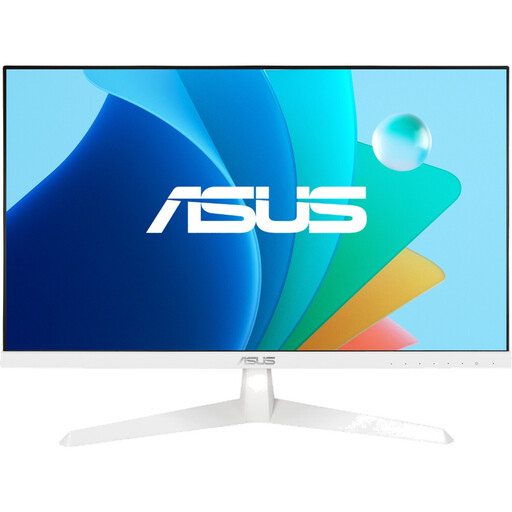
ASUS VY249HF-W 24-inch Full HD monitor
The 24-inch format is a compact option to compare for a small desk. Remember to factor in the depth of the stand when planning your space.
Specifications in the product name: Full HD, IPS, 100 Hz, 1 ms MPRT, AdaptiveSync, VESA 100 × 100 mm and HDMI.
View at Joybuy
 No image available
Acer Vero B247YGbmiqprx 24-inch monitor
The 24-inch size gives you a useful point of comparison for a small desk. Before choosing, check the full dimensions and whether the specific version meets your gaming needs.
View at Joybuy
 No image available
KTC H27D9 27-inch QHD IPS monitor
If you want more pixels for maps and menus, this 27-inch model is worth comparing. First, measure to make sure it fits on your desk, including the stand.
Specifications in the product name: QHD at 2560 × 1440 pixels, IPS, 120 Hz, Adaptive Sync, HDMI and DisplayPort.
View at Joybuy
Frequently asked questions
Do I need 180 Hz for city-building games?
No. 180 Hz is one possible monitor specification, not a requirement for city-building games, and it doesn’t guarantee a particular in-game frame rate. First, check that the size and resolution suit your desk and PC.
How can I check whether a monitor will fit on my desk?
Measure the available width and depth, allowing room for your keyboard and mouse. Compare these measurements with the dimensions of the specific monitor, including its stand. If you plan to use a mount, check that it’s suitable for both the monitor and your desk.
What applies if there’s a fault: a warranty or statutory rights?
Statutory consumer rights are generally against the seller; a manufacturer’s warranty is a separate, voluntary benefit. If a product is faulty, repair or replacement may be available in the first instance. For sales contracts from 31 July 2026, the Verbraucherzentrale outlines additional rules on repairs, which depend on the circumstances of each case.
What should I know about energy information and an old monitor in Germany?
Monitors covered by the rules must carry an EU energy label, which helps you compare specific products. Don’t put an old monitor in your household rubbish; take it to an appropriate electrical and electronic waste collection point instead. The label doesn’t mean you have to buy a particular energy efficiency class.


