
Lieferung heute & morgen

Qualitätsgarantie

Willkommens-Angebote freischalten: KOSTENLOSE Lieferung | Bis zu 80 % RABATT | Kostenlose 30-Tage-JoyPlus-Testphase
App herunterladen
As a competitive gamer, you know that every millisecond counts. A lightweight wireless gaming mouse isn't a luxury; it's a critical tool for precision and reaction speed. However, the market is flooded with marketing promises and technical specs that often confuse more than they clarify. Many gamers invest in expensive equipment only to find it doesn't improve their performance and may even hinder it due to design flaws.
This guide, created by the Joybuy Product Recommendation Officer, will help you navigate the common pitfalls. We'll focus on the objective criteria that define a great wireless esports mouse, ensuring your next investment is a genuine performance boost.
Before we dive into the key specifications, let's highlight the most common purchasing mistakes, which are often driven by marketing hype.
To make an informed decision, you should focus on the following three technical features. These define the true performance of a precision gaming mouse.
Weight is a critical factor for a mouse for FPS games. Models under 70 grams are considered lightweight, while an ultra-lightweight gaming mouse often weighs less than 60 grams. A lower weight allows for faster changes in direction and reduces wrist fatigue. However, shape is just as important:
Also, pay attention to the surface texture and the quality of the mouse feet (often made of PTFE), as these significantly impact glide and control.
The optical sensor is the heart of any gaming mouse. Modern high-end sensors like the Pixart 3395 or Razer's Focus Pro series offer flawless tracking without "spin-outs," even during extremely fast movements (measured in IPS – Inches Per Second).
The Polling Rate, measured in Hertz (Hz), indicates how often the mouse reports its position to the computer.
For a wireless esports mouse, lossless 2.4 GHz wireless technology is essential. It provides a stable and fast connection that is on par with a wired one. Battery life is another practical consideration. Modern mice often offer over 70 hours of use, so you don't have to worry about a dead battery during long sessions.
Here are three recommendations tailored to different needs and playstyles.
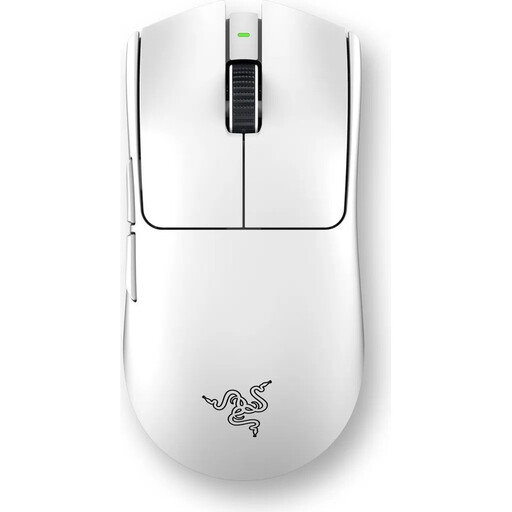
Why It's a Match: Engineered for maximum competitive performance. The combination of an extremely low weight, a top-tier sensor, and an 8000 Hz polling rate is aimed directly at players seeking every possible technical advantage.
The focus isn't on a high DPI value but on the measurable latency reduction from its 8000 Hz HyperPolling technology. The proven symmetrical shape is optimised for various grip styles.
The ultra-lightweight design of 54 grams, combined with the extremely low-latency wireless technology, offers a tangible boost in agility in fast-paced games.
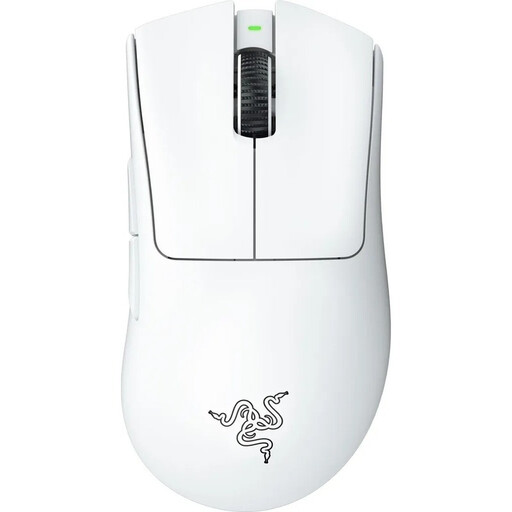
Why It's a Match: Ideal for gamers who play for hours and prioritise comfort without compromising on performance. Its iconic ergonomic shape is optimised for right-handed users.
This mouse directly addresses the pitfall of an unsuitable shape. Instead of just focusing on low weight, its form has been refined in collaboration with pros to ensure maximum grip and comfort.
Its proven ergonomic shape reduces hand strain and allows for stable, comfortable control during long gaming sessions. At 64 grams, its weight is still extremely competitive.
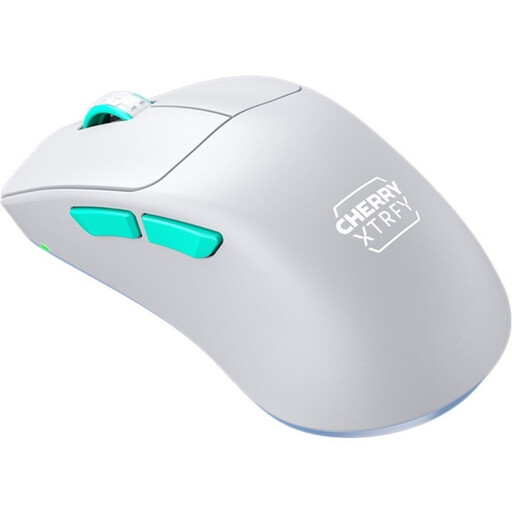
Why It's a Match: Offers high-end specifications like an extremely low weight and a top sensor at a more accessible price point. Its unique shape with a low front is designed for players seeking maximum control.
This model focuses on the essential performance features—weight and sensor precision—while forgoing marketing gimmicks like extremely high polling rates, resulting in a well-balanced performance package.
At just 53 grams, it's one of the lightest solid-shell mice available. The Pixart 3395 sensor ensures top-tier, reliable tracking, representing excellent value for money.
We have compiled a complete, up-to-date list of products that fully meet these strict selection criteria and rigorous industry safety standards.
For most gamers, the difference between 1000 Hz and 8000 Hz is barely perceptible in practice. However, in professional esports where every millisecond counts, an 8000 Hz gaming mouse can provide smoother cursor movement and a measurable reduction in input delay. To take full advantage of this, a high-refresh-rate monitor (e.g., 240 Hz or higher) and a powerful PC are required.
A professional white gaming mouse requires regular care to maintain its appearance. To clean it, use a slightly damp, lint-free microfiber cloth. Avoid harsh cleaning agents or alcohol, as they can damage the coating and lead to yellowing. Washing your hands before use also helps to minimise discoloration from skin oils and sweat.
For an FPS gaming mouse, most competitive players prefer a weight under 75 grams. An ultra-lightweight gaming mouse weighing under 60 grams allows for faster target acquisition and changes in direction with less effort. However, the ideal weight is subjective and depends on personal preference, grip style, and the DPI settings used.