What should you look for when buying?
Decide which software and typical test scenes you’ll use before comparing CPUs, RAM and graphics cards. If you’ll be sharing your space with a PC and a work setup, check the dimensions and noise levels of the specific configuration too.
| Consideration | What to check when buying | Who should care? |
|---|
| CPU for physics | Check the test software, CPU model and typical scene; profile your own projects where possible. | If my tests use lots of physics steps or complex collision detection, I pay particular attention to the CPU rather than just the graphics card. Around 36% of consumers put processing power for physics and collision detection first. |
| RAM and graphics memory | Compare RAM and graphics memory separately against the software requirements, resolution and scene. | I want to allow for enough RAM and graphics memory for my application, without treating the requirements of different programmes as interchangeable. Around 29% of consumers prioritise memory and graphics suited to their chosen application. |
| Noise and space | Compare the exact variant’s dimensions with the space available; only refer to noise tests for the configuration actually on offer. | If my PC runs beside my workstation, I want to know whether it will fit in the space available and how noisy it gets under load. Around 21% of consumers focus primarily on noise and desk space. |
| Upgrades and what’s included | Check the power supply, RAM limits, connections, included peripherals and support for the specific product number. | If I may need to add components or buy missing accessories later, I compare the exact specifications rather than just the product range name. Around 14% of consumers prioritise upgrade options and a complete package. |
Suitable gaming PCs at Joybuy
These desktop PCs are relevant for collision testing in BeamNG.drive or physics projects in Unreal Engine, based on their listed specifications. The components shown don’t replace a performance test using your specific scene.
 No image available
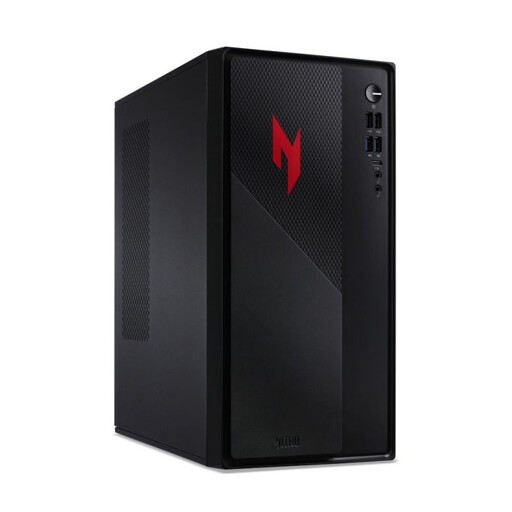
Acer Nitro 20 N20-100 desktop i5, 32 GB, RTX 5060
The listed RAM capacity is relevant when comparing the PC with the published BeamNG.drive and Unreal Engine guidelines, but it doesn’t guarantee a particular level of performance in your scene.
Specifications listed include an i5 processor, 32 GB RAM, an RTX 5060, a 1 TB SSD, a 1 TB hard drive and Windows 11 Home.
Leave at least 10 cm of clearance on all sides when positioning the PC, and don’t block the power supply’s exhaust area.
 No image available
Dell Alienware Aurora ACT1250 1J3N5, Core Ultra 9-285K
The listed processor and memory specifications may be relevant for a physics workflow in Unreal Engine, but they don’t guarantee performance in a particular project.
Specifications listed include a Core Ultra 9-285K, 32 GB RAM, an RTX 5080 with 16 GB and a 2 TB SSD.
Keep the ventilation openings clear.
 No image available
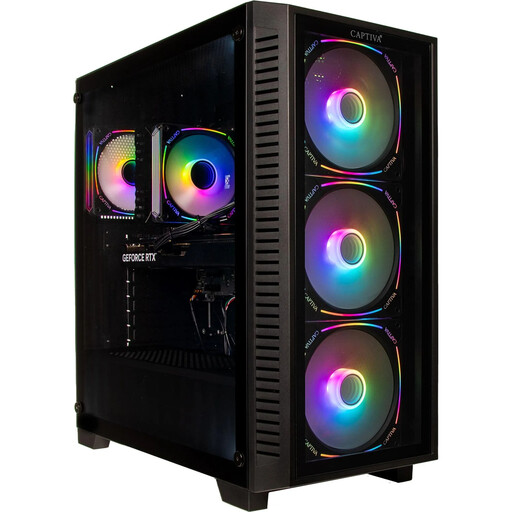
Captiva Highend Gaming PC R89-503, Ryzen 7 7800X3D
The listed specifications are relevant when comparing the PC with the published memory and graphics guidelines for BeamNG.drive or Unreal Engine, but they don’t prove how well it will handle simulations in your scene.
Specifications listed include a Ryzen 7 7800X3D, an RTX 5070 Ti with 16 GB, 32 GB DDR5, a 2 TB SSD and Windows 11 Home.
Leave 10–15 cm between the back of the PC and the wall. Before switching it on, remove any internal transit foam, if present.
 No image available
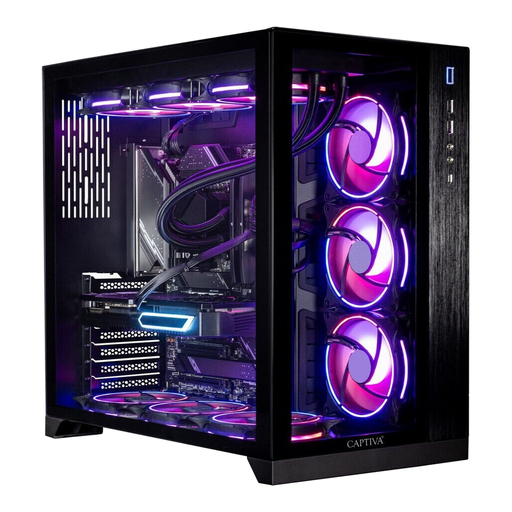
Captiva PC Highend Gaming R90-463, Ryzen 7 7800X3D
The listed RAM and graphics memory can be compared with the guidelines for your BeamNG.drive or Unreal Engine workflow, but they aren’t a promise of performance.
Specifications listed include a Ryzen 7 7800X3D, an RTX 5070 Ti with 16 GB, 64 GB DDR5, a 2 TB SSD and Windows 11.
Leave 10–15 cm between the back of the PC and the wall. Before switching it on, remove any internal transit foam, if present.
 No image available
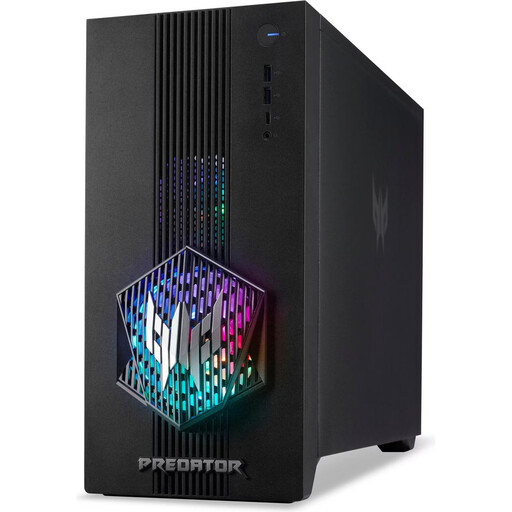
Acer Predator Orion 3000 desktop i5 Ultra, 16 GB
For BeamNG.drive, the listed 16 GB RAM meets the published minimum, but is below the 32 GB recommendation for the 1080p use described.
Specifications listed include an i5 Ultra processor, 16 GB RAM, an RTX 5060, a 512 GB SSD and Windows 11 Home.
Leave at least 10 cm of clearance on all sides when positioning the PC.
Frequently asked questions
Is 16 GB RAM enough for vehicle collisions in BeamNG.drive?
16 GB meets the published minimum, while BeamNG recommends 32 GB RAM for the 1080p use described. Mods may need additional memory, so check the requirements for the scene you’ll actually be using.
How can I tell whether collisions are failing because of the PC or my project settings?
Check the physics step and collision mode in Unity, then profile the scene. Unity notes that fast-moving objects can pass through one another between steps with discrete detection, while continuous modes use more CPU power.
What specifications should I compare for physics projects in Unreal Engine?
Epic Games recommends 32 GB RAM and at least 8 GB of graphics memory for Unreal Engine. Additional physics substeps can use more CPU power, so also assess the requirements of your engine version and specific project.
What should I consider when positioning a PC on my desk?
Compare the dimensions of the exact variant with the space available, and keep the intended ventilation paths clear. Where possible, assess noise using a test of the same configuration under comparable load, rather than a different model in the range.
Can I assume that all PCs in a model range have the same upgrade options?
No. Check the full product number and specifications. For example, Acer lists a 500 W power supply and a maximum of 64 GB RAM for the PO3-650 DG.BK4EG.00F variant; that doesn’t mean every other variant has the same components or upgrade options.


