What should you look for when buying?
First, check which engine and scene you’ll actually be testing. Then assess the PC’s specification, and treat the monitor and window-side setup as separate factors.
| Buying criterion |
What to look for |
Who is it most relevant to? |
| Repeatable physics tests |
Check the CPU in the specific configuration, the engine profiler and the physics frequency you need; for Unity, also consider Fixed Timestep and collision detection. |
If I’m checking collisions repeatedly, I want to distinguish CPU bottlenecks from engine settings. Around 40% of consumers are likely to put reliable physics testing first. |
| Engine and project scope |
Compare the engine version, project requirements, RAM, graphics memory, graphics card and operating system of the complete configuration. Epic’s recommendation for Unreal on Windows includes 32 GB RAM and at least 8 GB of graphics memory. |
For larger Unreal scenes, I want to match the configuration to my project rather than rely on a generic gaming label. Around 31% of consumers are likely to prioritise the specification for their engine and project scope. |
| Readability by the window |
Assess the monitor’s position and screen surface where you plan to use it; also check whether a monitor is included in the offer. An anti-glare surface can reduce reflections, but it won’t guarantee a clear view in every location. |
If I need to see test scenes and debug displays beside a bright window, I want to assess distracting reflections in the actual location. Around 23% of consumers are likely to give readability particular weight. |
| What’s included and available variants |
Check the full model or part number, included devices, connections and any documented options for changing the specific configuration. |
If I’m planning a complete setup, I want to know whether the monitor and the devices I need are included, and which variant I’m buying. Around 6% of consumers are likely to consider what’s included first. |
Gaming PCs at Joybuy
These desktop PCs offer different specifications as comparison points for smaller projects and more extensive Unreal scenes. Choosing a suitable monitor for use by the window is a separate decision.
 No image available
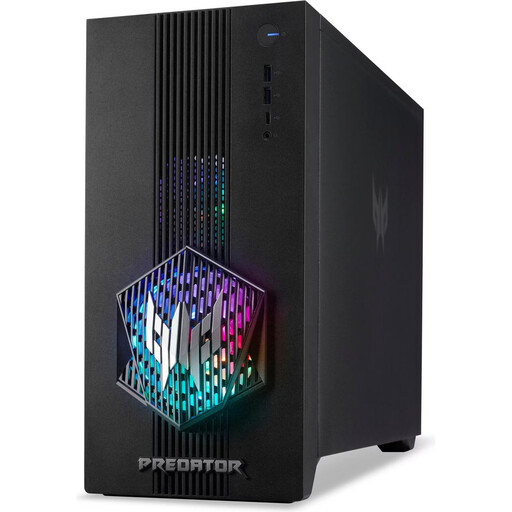
Acer Predator Orion 3000 Desktop i5 Ultra
For smaller projects or ones whose requirements aren’t fully defined yet, you can compare the listed specification with your engine’s requirements.
Windows 11 Home, 10-core processor, 16 GB RAM, upgradeable to 32 GB, 512 GB SSD and RTX 5060 with 8 GB of graphics memory. The product description recommends leaving at least 10 cm of clearance on all sides for ventilation.
View at Joybuy
 No image available
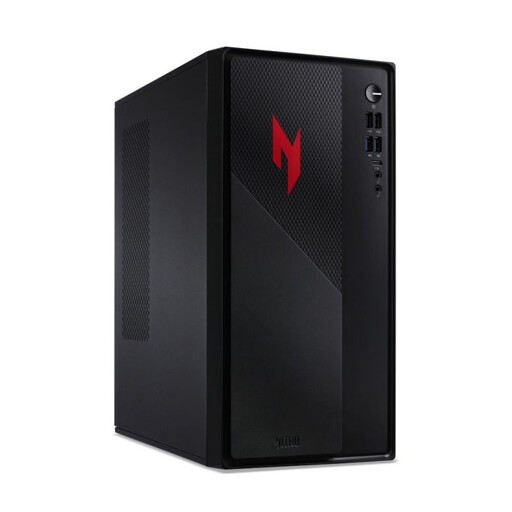
Acer Nitro 20 N20-100 Desktop i5
For a larger project, compare the listed RAM and graphics memory with your specific engine requirements.
Windows 11 Home, 8-core processor, 32 GB RAM, 1 TB SSD and 1 TB HDD, dedicated NVIDIA graphics with 8 GB of graphics memory, and Wi-Fi 6E. The product description recommends leaving at least 10 cm of clearance on all sides for ventilation.
View at Joybuy
 No image available
Dell Alienware Aurora ACT1250 1J3N5
If your project calls for a high-spec system, compare this specific configuration with your engine and scene requirements.
Windows 11 Home, 24-core Core Ultra 9-285K processor, 32 GB RAM, 2 TB SSD and RTX 5080 with 16 GB of graphics memory. The product description says to keep the ventilation openings clear.
View at Joybuy
 No image available
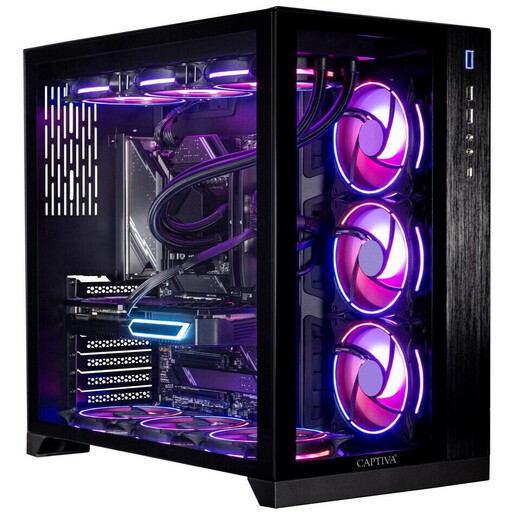
Captiva Highend Gaming R89-085
For more extensive Unreal scenes, compare the listed RAM and graphics memory with your project’s requirements.
Windows 11 Home, Ryzen 7 9800X3D with 8 cores, 64 GB RAM, 2 TB SSD and RTX 5080 with 16 GB of graphics memory; liquid cooling. The product description recommends placing it on a hard, level surface and leaving 10–15 cm of clearance behind the PC.
View at Joybuy
 No image available
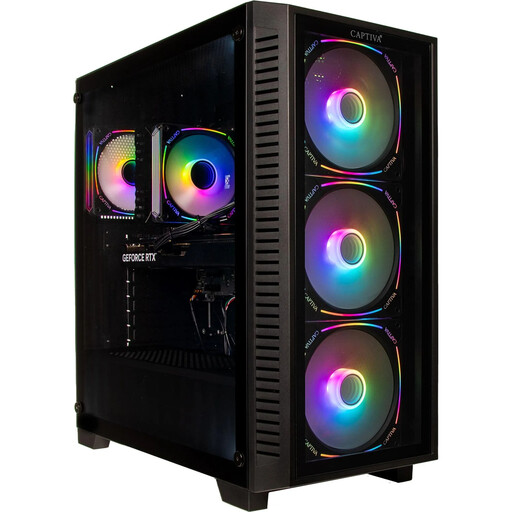
Captiva Highend Gaming PC R89-503
When comparing specifications for a larger project, check that the processor, RAM and graphics memory suit your specific scenes.
Windows 11 Home, Ryzen 7 7800X3D, 32 GB DDR5 RAM, 2 TB SSD and RTX 5070 Ti with 16 GB of graphics memory. The product description recommends placing it on a level surface and keeping the ventilation openings clear.
View at Joybuy
Frequently asked questions
Will a more powerful graphics card automatically make collision tests more accurate?
No. In Unity, factors including physics frequency and collision detection affect behaviour; a smaller Fixed Timestep setting increases CPU load. Start by checking the scene and engine settings, then compare the PC’s specification.
How should I set up my testing space beside a window?
Check for reflections where you plan to position the monitor in your usual daylight, and try a different setup before upgrading the PC alone. An anti-reflective screen surface can reduce reflections; this is a general manufacturer description, not a claim about your particular workspace.
Do I need to budget for a monitor when buying a pre-built PC?
Check what’s included using the full model number. A tower’s CPU and graphics card specification doesn’t mean that a monitor is included in the offer.
What rights apply when buying a gaming PC online in Germany?
As a general rule, consumers entering into a distance contract have a 14-day right of withdrawal; section 312g of the German Civil Code (BGB) sets out exceptions, particularly for certain goods made to order. If your order is assembled to your specifications, check whether an exception actually applies. Your statutory rights for faulty goods and a voluntary guarantee are separate entitlements.
Do the rules on screen reflections also apply to my home gaming setup?
The Workplace Ordinance and related rules apply to workplaces and screen-based workstations used by employees; their requirements don’t automatically apply to a private gaming setup. Even so, distracting reflections can still be a practical issue when choosing your setup.


