
Lieferung heute & morgen

Qualitätsgarantie

Willkommens-Angebote freischalten: KOSTENLOSE Lieferung | Bis zu 80 % RABATT | Kostenlose 30-Tage-JoyPlus-Testphase
App herunterladen
The right lighting can transform a simple desk into an immersive gaming command centre. Thoughtful gaming lighting not only enhances the atmosphere but can also improve visual perception and reduce eye strain during long sessions. However, the market is flooded with options, from flexible LED strips to modular wall panels.
This guide is here to help you navigate the choices. We'll introduce different types of lighting, explain key features, and present a selection of products to make choosing the right fit for your gaming room easier.
Before making a decision, there are a few fundamental aspects to consider. These will help you find a solution that is both functional and aesthetically suited to your space and needs.
The type of light fixture significantly determines the effect it creates. The most common forms are:
Modern lighting systems offer various control options. Consider which method is most practical for you:
Here is a curated selection of products covering different needs and applications. The descriptions are based on product data provided by the manufacturer.
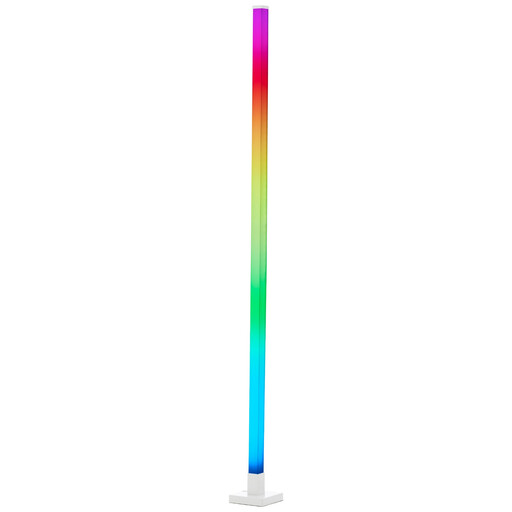
Why It Stands Out This 150 cm tall floor lamp acts as a vertical column of light, creating room-filling effects. Its key feature is the integrated music sensor, which automatically syncs the lighting to the rhythm of music or game audio without needing an app connection.
Pros
Who It's For This lamp is a great choice for users looking for a straightforward, freestanding solution for smart mood lighting. It's particularly well-suited for dynamically illuminating a corner of the room or the area next to a gaming setup without requiring a complex installation.
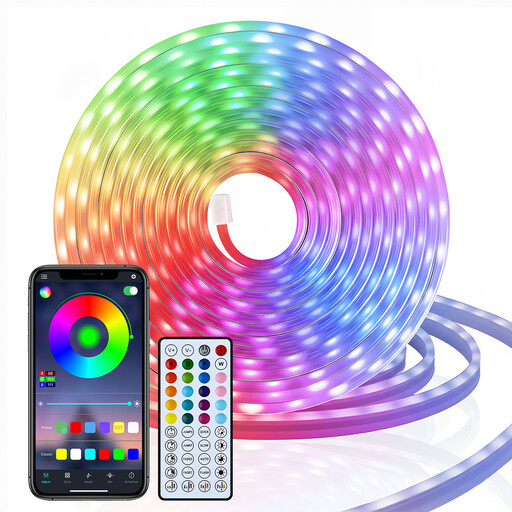
Why It Stands Out Unlike conventional LED strips where individual light points are visible, this RGB LED strip creates a continuous, diffused, neon-style light thanks to its silicone casing. The material is also highly flexible, allowing for creative shapes and lines.
Pros
Who It's For This LED strip is ideal for DIY enthusiasts and creatives who prefer a clean, continuous line of light for their gaming room decor. It's perfect for accentuating edges, creating DIY neon signs, or providing subtle indirect lighting behind a desk.
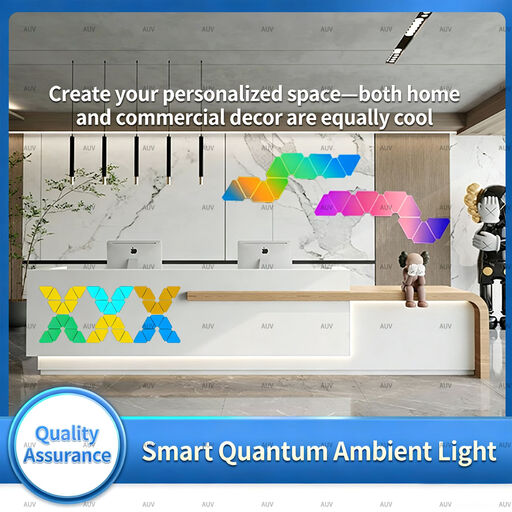
Why They Stand Out These modular LED wall panels offer maximum creative freedom. The triangular elements can be connected in any configuration to create unique patterns and shapes. With app control and over 210 pre-programmed scene modes, the wall lighting can be completely customised.
Pros
Who They're For These light panels are aimed at users who want to actively design their wall and create a visual centrepiece in their gaming room. They are an excellent choice for streamers or anyone looking for dynamic and highly customisable backlighting.
The products featured here already cover a wide spectrum. However, if you're looking for different shapes, lengths, or specific features, there's more to discover.
Browse a wider selection of lighting solutions in our RGB Remote Control category and find the perfect product for your individual setup.
1. What is the difference between RGB and RGBIC?RGB (Red, Green, Blue) means that an entire LED strip or light fixture can only display one colour at a time. You can change the colour of the whole strip, but not of individual sections. RGBIC (Independent Control), on the other hand, means that each LED chip or small sections of the strip can be controlled independently. This allows for multi-colour effects, gradients, and more dynamic animations on a single strip.
2. How do I sync my gaming lighting with music? Syncing is typically done in one of two ways. Either the light or its controller has a built-in microphone that picks up ambient sounds and adjusts the light effects accordingly. Alternatively, some systems can sync via software on a PC or an app on a smartphone, which analyses the device's audio output. The method with the built-in microphone is usually easier to set up.
3. Can LED strips be cut to size? Yes, most RGB LED strips can be shortened. They typically have designated markings (often with a scissor icon) where they can be safely cut. It is important to cut only along these marked lines, otherwise you risk damaging the circuitry and the strip will no longer work. Depending on the product, cut-off sections can be reused with special connectors.