For gaming together on a wide sofa, the TV should first impress from the seats at either end. An OLED model or an LCD with proven wide viewing angles may be a better choice than a VA LCD with a narrow viewing angle. Choose the screen size based on the furthest seat, and if the room is bright, check for reflections too. 120 Hz or VRR only matter if your console, game and connection support the feature in question.
Who’ll be playing from the side?
Co-op gaming on a wide sofa
When several people are playing at once and someone is sitting well off to the side, the picture from the end seat matters just as much as the view from directly in front of the TV. RTINGS.com compares the typical viewing angles of IPS and VA LCDs, while CHIP also reports that viewing angles and reflections vary by model.
Players sitting further away
At a greater viewing distance, small on-screen game details can be harder to make out. The Verbraucherzentrale recommends considering screen size, viewing distance, lighting conditions and viewing angles together in the room where the TV will be set up.
Co-op gaming in a bright living room
Windows and lamps can reflect on the screen. If you’ll be sitting to the side, it’s worth checking how the finish of the specific model looks in your room and from your actual seating positions.
What should you look for when buying a TV for co-op gaming?
OLED TV
A good fit if: several people sit to the side and contrast-rich game scenes matter. Make sure the finish of the specific model suits your room.
A point to consider: Image retention is worth bearing in mind during long sessions with static game elements. A long-term test cited by RTINGS.com covered older TVs, so it doesn’t indicate the level of risk for today’s models.
IPS LCD
A good fit if: a wide seating area matters more than particularly deep blacks, and the viewing angle of the specific TV has been confirmed.
A point to consider: RTINGS.com describes IPS LCDs as typically offering wider viewing angles but lower contrast than VA LCDs. Gaming features vary by model.
VA LCD or VA Mini LED
A good fit if: most players will be sitting nearer the centre, and the contrast and reflection handling of the specific model suit your room.
A point to consider: VA panels typically have narrower viewing angles. CHIP criticised the Samsung MRE65R85H for its limited viewing angles and strong reflections. This finding applies to that model, not to all VA or Mini LED TVs.
| Priority |
What to check when buying |
Who it matters to most |
| Picture from the side |
Assess the specific model from the end seats and consult independent viewing-angle tests. |
When we’re spread out along the sofa, the picture should remain clear from the side too. Around 31% of consumers rank viewing angle as their top buying priority. |
| Readability and size |
Measure the distance from the furthest seat and check how easy on-screen game details are to see from there; don’t assume one screen size suits everyone. |
If some players are sitting further away, they should still be able to read on-screen details from their seats. For around 25% of consumers, readability is the main priority. |
| Reflections and room lighting |
Take windows, lamps and side seats into account, and check the finish using a test of the exact model. |
If we’re playing in daylight or with the lights on, reflections shouldn’t obscure important details. Around 19% of consumers prioritise how a TV performs in room lighting. |
| Console features |
Check the frame rate, VRR and the right HDMI input for your console and game. |
If you want to use specific gaming features, make sure they’re compatible with your console, game and connection. For around 13% of consumers, this compatibility is their main priority. |
| Power consumption and faults |
Compare the EU energy label for the exact model variant, and distinguish warranty terms from your statutory consumer rights. |
If ongoing energy use and support in the event of a fault matter to you, check both before buying. Around 12% of consumers put these long-term considerations first. |
Common buying mistakes
-
Judging the TV only from the front
A model might look contrast-rich from the front but quite different from the seats at either end of the sofa. Panel labels alone don’t tell you how a specific TV will look from your seating positions.
If possible, check the exact model from the seats you plan to use, and consult independent viewing-angle tests.
-
Assuming 144 Hz guarantees the same frame rate in games
A supported refresh rate doesn’t mean every game will output at that frame rate. The TV, console and game all need to support the same output.
First check the features supported by the games you play and your console, then choose a suitable TV and HDMI input.
-
Choosing the biggest TV possible just because of the furthest seat
Screen size, viewing distance and where you’ll place the TV should all work together. The German Environment Agency notes that larger TVs can use more electricity.
Measure the distance from the furthest seat and compare the energy labels for the sizes you’re considering, including the figures for SDR and HDR.
Brands and models to consider
LG
LG’s OLED range may be worth considering if you’re looking for a TV for side seating and gaming features.
- CHIP rated the picture quality of the LG OLED 55G6 it tested highly.
- CHIP also noted that this tested model had high power consumption. This assessment doesn’t apply to every LG TV.
Samsung
The models tested included QD-OLED and VA LCD TVs, showing why assessments depend on the specific set.
- CHIP described the tested GQ65S99H as having very good anti-reflection.
- CHIP criticised the tested MRE65R85H for its limited viewing angles and strong reflections. This doesn’t support a general conclusion about the brand.
Sony
The BRAVIA 8 II may appeal to buyers looking to check specific HDMI and console features.
- Sony Germany lists a 120 Hz panel and VRR on HDMI 3 and 4 for the K-55XR8M2.
- If you’re connecting several devices, plan which inputs you’ll need. These specifications aren’t the result of a measured viewing-angle test.
TCL
The C7K is a QD Mini LED option for buyers also considering an LCD TV.
- TCL Germany lists an HVA panel and a native refresh rate of 144 Hz for the 65C7K.
- These manufacturer specifications don’t show how the TV looks from your seat or handles reflections in your room.
Philips
The OLED760 is an OLED option with Ambilight for co-op gaming nights.
- Philips lists 120 Hz for the 77OLED760/12 and describes its side viewing positively.
- This is the manufacturer’s description, not an independent viewing-angle test of this model.
Joybuy products for co-op gaming
This Joybuy selection includes TVs in different screen sizes with a range of gaming specifications. Choose a size based on the furthest seat, and check that the listed features are compatible with your console and games.
 No image available
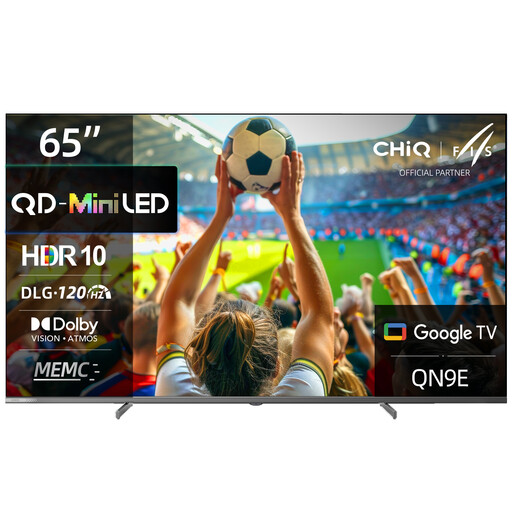
CHiQ M65QN9E 65-inch 4K UHD Mini LED QLED TV
The 65-inch screen may suit a more distant seating position. Check that the viewing distance works for your room layout.
Listed in the product name: 4K UHD, Dolby Atmos and Vision, DLG 120 Hz and MEMC.
Whether you can use the frame rate with your console and a particular game depends on their support for it.
View at Joybuy
 No image available
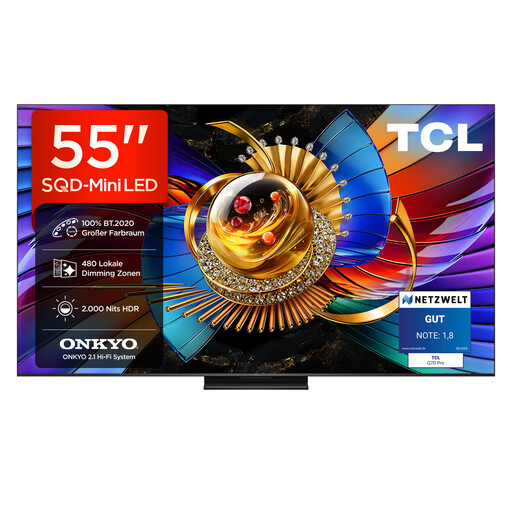
TCL 55Q7D PRO 55-inch 4K SQD Mini LED TV
Compare the 55-inch screen size with the furthest seat and the space available for the TV.
Listed in the product name: 4K, 144 Hz and Anti-Reflection.
These feature specifications are no substitute for checking the picture from your actual seating positions.
View at Joybuy
 No image available
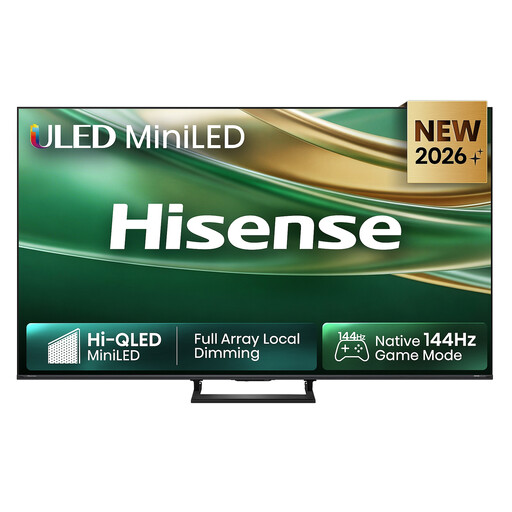
Hisense 55E8S 55-inch 4K UHD QLED Mini LED Smart TV
The 55-inch screen may be a good option if it suits your viewing distance and available space.
Listed in the product name: 4K UHD, 144 Hz and HomeOS U9.
Check that the frame rate and system specifications suit your console and how you plan to use the TV.
View at Joybuy
 No image available
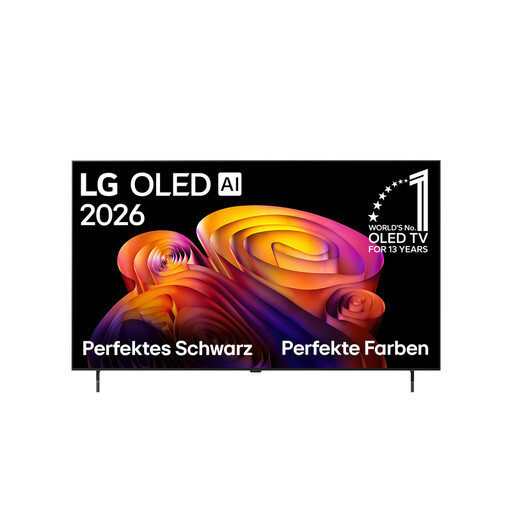
LG OLED55B68LA 55-inch OLED Gaming TV
As an OLED model, this TV may suit a setup where side seating matters. This isn’t a measured viewing-angle test of this particular model.
Listed in the product name: 144 Hz, G-SYNC and FreeSync Premium.
Image retention is worth considering with OLED TVs if you play for long periods with static game elements on screen. The long-term test cited covered older TVs and doesn’t indicate the level of risk for today’s models.
View at Joybuy
 No image available
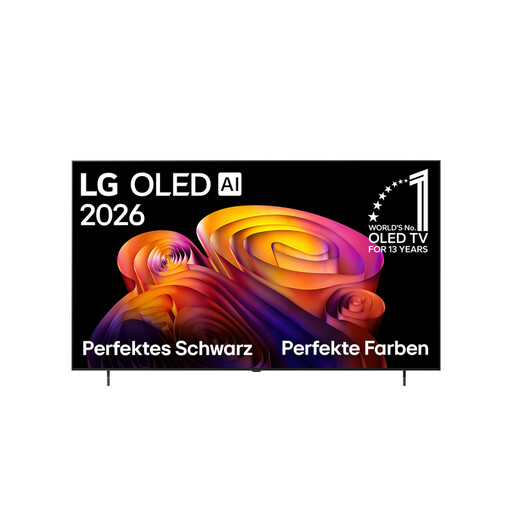
LG OLED77B68LA OLED evo AI B6 77-inch 4K Smart TV
The 77-inch screen may suit a more distant seating position. Check the viewing distance and room layout before deciding on the size.
Listed in the product name: 144 Hz VRR, NVIDIA G-SYNC and Dolby Vision.
With an OLED model, image retention is worth considering if you play for long periods with static game elements on screen. The long-term test cited covered older TVs and doesn’t indicate the level of risk for today’s models.
View at Joybuy
Frequently asked questions about gaming TVs for local co-op
Do you really need a 144 Hz TV for local co-op gaming?
No, not just because you’re playing together. On a PS5, you can enable 120 Hz output with TVs and games that support it. First check what your console and games can do, along with the TV’s viewing angles and how easy the screen is to read.
What should I check when connecting my console?
Check which HDMI input on the specific TV supports the gaming features you want, then check your console’s video output settings. Sony specifically lists VRR on HDMI 3 and 4 for the K-55XR8M2.
How do I find the right screen size for the seat at the end of the sofa?
Measure the distance from the furthest seat and consider where the TV will go, as well as how easy it is to see game details from there. The Verbraucherzentrale recommends considering screen size, viewing distance, lighting conditions and viewing angles together.
Is image retention something to consider with an OLED TV?
Image retention is a possible trade-off to bear in mind with OLED TVs if you play for long periods with static game elements on screen. A long-term test cited from RTINGS.com covered older TVs and doesn’t support a general conclusion about the level of risk for today’s models.


