Who is this guide for?

Quiz night with people sitting to the side

If you’re spread across the sofa or around the room, questions and answer options should still be easy to make out from the seats at the sides. RTINGS recommends taking the TV’s viewing angle into account when people are sitting across a wide area.

Families with a bright living room

If you play during the day too, check the picture and reflections from the seats you actually use. A manufacturer’s claim about an anti-reflective display won’t, on its own, tell you how the screen will perform in your room.

Quiz and console gamers

If you’ll be connecting a console as well as playing quizzes, make sure the TV has the connections and gaming features you need. RTINGS highlights low input lag as especially useful for fast-paced reaction games; for a quiz, being able to read the screen from the side seat comes first.

What should I look for when buying?

What to consider What to check Who will care most?
Readability from the side seat Check questions, colours and contrast from the furthest seat. RTINGS recommends considering the viewing angle when people are sitting across a wide area. If I need to read questions and answers clearly from the seat at the side, viewing angle is my top priority. Around 36 % of consumers put readability from the side first.
Reflections in daylight Check the display and where you’ll position it in the room you actually use. A manufacturer’s claim about an anti-glare surface is no guarantee for every lighting condition. If I play during the day, I want to see the answers clearly despite windows or lamps. Around 22 % of consumers put visibility in room lighting first.
Gaming source and control response Decide which game and gaming source you’ll use. If you’re connecting a console, check that the features you need are supported by the relevant HDMI input. If I also play on a console, the TV needs to suit the game and connection. Around 14 % of consumers prioritise gaming compatibility and control response.
Long periods of static quiz screens If the same elements are displayed very frequently, consider the risk of OLED burn-in; RTINGS notes that this is more relevant with intensive use of static content. If the same quiz screen is displayed for a long time, often, I want to factor this into my panel choice. Around 14 % of consumers prioritise suitability for extended use with static content.
Screen size and energy consumption Measure your viewing distance and available space. Compare the EU energy label for the specific model, including its SDR and HDR consumption. The European Commission explains the information for electronic displays. If I need to plan both screen size and running costs, I want a suitable screen size rather than more screen space than I need. Around 14 % of consumers prioritise size and ongoing costs.

Which buying mistakes should I avoid?

  • Assuming a high refresh rate means a good view from the side

    Refresh rate and picture quality from the side answer different questions. A TV can offer gaming features and still be harder to see clearly from a side seat.

    First, check the picture from the furthest seat. Then compare the gaming features with the source you’ll actually use.

  • Assuming “QLED” or “Mini-LED” guarantees a wide viewing angle

    With LCD TVs, the specific panel type is one of the factors that affects how the picture looks from the side. RTINGS describes different trade-offs between viewing angle and contrast for IPS and VA panels.

    Find out which panel the exact model variant uses, or check the TV yourself from the side seat you plan to use.

  • Ignoring static quiz screens and energy use when choosing

    If static content is displayed for long periods very frequently, the risk of OLED burn-in deserves more consideration than it does for occasional quiz nights. The German Environment Agency also points out that larger screens can use more electricity.

    Think about how you’ll actually use the TV and compare the EU energy labels of similarly sized models before making your choice.

TV brands worth considering

Philips

Philips describes the 55OLED760/12 as a 55-inch OLED TV with a 120 Hz refresh rate, and specifically promotes its picture quality when viewed from the side.

  • The model specifications cover features that may be relevant for quiz nights when people are sitting in different places.
  • The claim about side viewing comes from the manufacturer and isn’t an independent measurement of this model. Also check for reflections from your own seat. If you’ll be using static content for very long periods, bear in mind the general trade-offs of OLED.

LG

LG lists support for up to 4K at 144 Hz for the OLED55C57LA and up to 4K at 165 Hz for the OLED55C67LA.

  • The manufacturer’s gaming feature specifications relate to the named models and compatible signals.
  • The refresh rates alone don’t prove that the picture will look a certain way from the side seat. With OLED, weigh up the implications of displaying the same static content for very long periods.

Samsung

For its 55-inch OLED model GQ55S90HAEXZG, Samsung highlights the “Glare Free” display surface and gaming features.

  • The surface specification may be a reason to take a closer look at this model if room lighting is an issue.
  • It doesn’t guarantee that reflections will be eliminated at every lighting angle. Check the picture in your room and from the seats you’ll actually use.

Sony

Sony lists a 120 Hz refresh rate, four HDMI inputs and VRR on HDMI 3 and 4 for the K-55XR8M2 OLED TV.

  • Knowing which HDMI inputs support which features can help when planning connections for a console and other devices.
  • The same VRR specification doesn’t apply to every HDMI input. Check that the input you plan to use supports the features you need.

Joybuy TVs for quizzes and gaming

This selection includes OLED TVs with gaming features. For each model, check that the viewing angle works for your seating arrangement and that its features suit your gaming source.

LG OLED55B68LA 55-inch OLED gaming TV

LG OLED55B68LA 55-inch OLED gaming TV

The product description mentions wide viewing angles, but check that you can read quiz questions clearly from the furthest seat.

The description lists 4K, 144 Hz, VRR, ALLM and four HDMI 2.1 ports. If the same quiz screen is displayed repeatedly for very long periods, bear in mind the general risk of OLED burn-in.

View at Joybuy
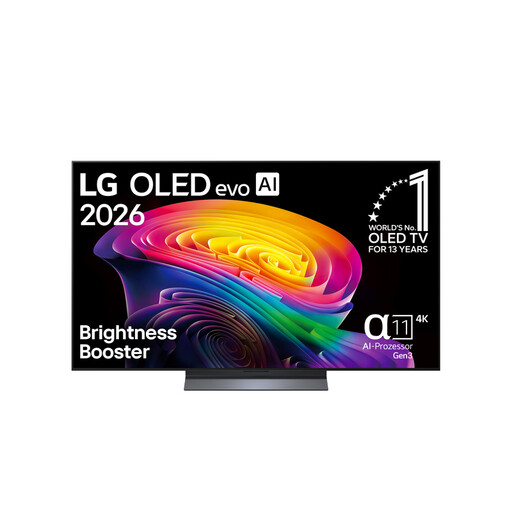
LG OLED55C67LA OLED evo C6 55-inch 4K Smart TV

LG OLED55C67LA OLED evo C6 55-inch 4K Smart TV

This OLED model is an option for quiz nights and connected gaming. Before you decide, compare the picture from the side seat you’ll actually use.

The product description lists up to 4K at 165 Hz, along with VRR, ALLM, G-SYNC and FreeSync. If the same quiz screen is displayed repeatedly for very long periods, bear in mind the general risk of OLED burn-in.

View at Joybuy

Frequently asked questions

Do I definitely need 120 Hz or more for a family quiz?

No, not just because people are sitting to the side. First, decide which gaming source you’ll actually use and what signal it outputs. Input lag matters for fast-paced reaction games, while for a quiz, being able to read the screen from the side seat comes first.

How can I check the setup and connections before mounting the TV?

Measure the available space and viewing distance, then check the picture from all the seats you plan to use. If you’re connecting several devices, check their required features against the individual HDMI inputs on the exact model. Sony specifies VRR on HDMI 3 and 4 for the K-55XR8M2.

What should I bear in mind when using OLED for long quiz nights?

Burn-in is a relevant consideration if the same fixed elements are displayed repeatedly for very long periods. RTINGS describes accelerated stress tests using static content and extremely long runtimes; these test conditions don’t predict what will happen during occasional quiz nights.

How can I compare running costs, and what are my rights after buying?

First compare the SDR and HDR consumption figures on the EU energy labels for the specific models. To work out your actual electricity costs, you’ll also need to know how long you use the TV for and your electricity tariff. The Verbraucherzentrale distinguishes between your statutory rights when goods are faulty and a voluntary guarantee. When buying online, you generally have a 14-day right to cancel; exceptions and the details of your contract may apply.

Which regulations apply to TVs and old electrical equipment in Germany?

Devices sold in Germany must meet the relevant conformity requirements; the Bundesnetzagentur points to the mandatory CE marking. New TVs covered by EU regulations need an energy label for electronic displays, as explained by the European Commission. A TV that has reached the end of its life should go to separate collection, not into household waste.