
Lieferung heute & morgen

Qualitätsgarantie

Willkommens-Angebote freischalten: KOSTENLOSE Lieferung | Bis zu 80 % RABATT | Kostenlose 30-Tage-JoyPlus-Testphase
App herunterladen
Choosing the right garden chairs can be the difference between an oasis of relaxation and a source of constant frustration. Many buyers focus on the initial design, overlooking critical weaknesses that only appear after a few months outdoors. Before you make a decision, it's important to understand the common pitfalls that often lead to unnecessary expense.
Common Pitfalls When Buying Garden Chairs:
To avoid these problems, a closer look at the core parameters is essential.
An informed decision isn't based on marketing promises, but on objective criteria. Pay attention to the following three aspects before you buy to find a durable and functional solution for your garden, patio, or balcony.
The material is a key determinant of the longevity, appearance, and maintenance requirements of your garden furniture.
Functionality should be tailored to your available space and intended use.
A chair's comfort depends on several factors. An ergonomically shaped seat and backrest, the right seat height, and suitable armrests are critical. For chairs without cushions, the contouring of the seat and back surfaces is particularly important. With a sunbed or lounge chair, thick, shape-retaining cushions are a clear sign of comfort.
Based on these objective criteria, we have identified a few models that are particularly well-suited for specific user profiles.
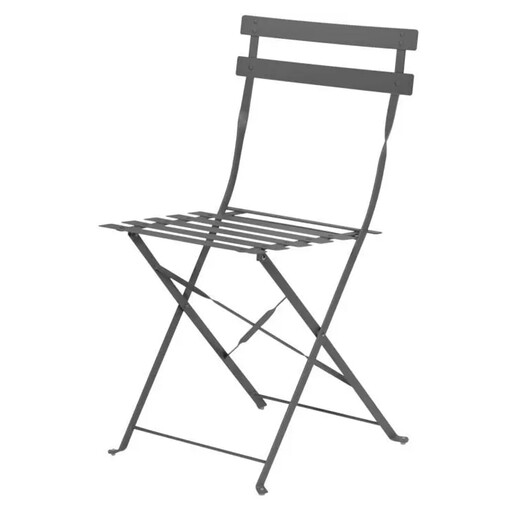
Why this model is a fit: This chair is specifically designed for environments with limited space. Its slim profile and folding mechanism make it the ideal balcony chair, which can be quickly set aside when needed to use the space for other purposes.
It solves the problem of bulky designs. Instead of permanently blocking valuable space, this folding chair can be folded flat and easily stored in a corner or nook.
The robust metal construction ensures stability, while the efficient folding mechanism offers maximum flexibility in a small space.
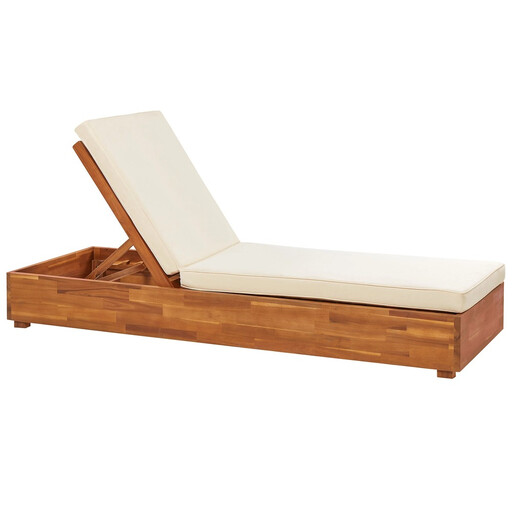
Why this model is a fit: This sun lounger is designed for relaxation. The combination of a multi-position adjustable backrest and a thick, soft cushion offers superior comfort for long afternoons in the sun.
It addresses the pitfall of neglected comfort. Instead of a fixed position, the 4-position adjustable backrest allows for individual customisation, while the 7 cm thick cushion provides soft padding.
The solid acacia wood construction is stable and durable, while the included cushion provides instant comfort without requiring additional purchases.
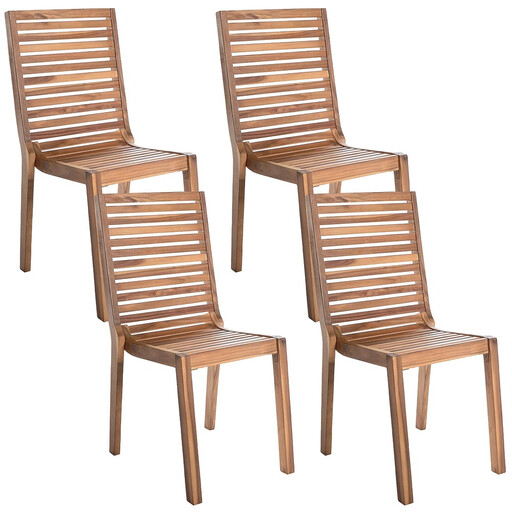
Why this model is a fit: This garden chair set is ideal for social gatherings. The chairs are crafted from durable acacia wood and provide a uniform, appealing look for an outdoor dining area. Their stackability is a key advantage for storage.
It solves the problems of storage and durability. The oiled acacia wood is naturally weather-resistant, and the stacking feature prevents the chairs from taking up valuable patio space when not in use.
The combination of certified hardwood and space-saving stackability makes this set a functional and long-lasting solution for anyone who enjoys hosting guests outdoors.
We have compiled a comprehensive, up-to-date list of products that meet these strict selection criteria.
Caring for a wooden garden chair is straightforward but essential for its longevity. Clean the wood regularly with a mild soap solution and a soft cloth, wiping in the direction of the grain. To protect the wood from the elements and maintain its colour, oiled furniture, especially pieces made from acacia wood, should be re-oiled once per season (before winter storage).
Not necessarily. Aluminium is naturally rust-proof. For chairs made of steel, the quality of the protective layer is crucial. A high-quality powder coating prevents moisture from coming into contact with the metal, thus protecting it from rust. Regularly inspect the furniture for scratches or damage to the coating and touch them up as needed to prevent corrosion.
The UV resistance class (e.g., according to the ISO 105-B02 standard) indicates how well a material, usually the fabric of cushions or plastic surfaces, is protected against fading from sun exposure. The scale typically ranges from 1 (very low resistance) to 8 (excellent resistance). A value of Class 4 or higher is considered a good standard for garden furniture to ensure long-lasting colour intensity.