
Lieferung heute & morgen

Qualitätsgarantie

Willkommens-Angebote freischalten: KOSTENLOSE Lieferung | Bis zu 80 % RABATT | Kostenlose 30-Tage-JoyPlus-Testphase
App herunterladen
Garden cushions make garden chairs, benches and lounge furniture more comfortable, and can transform the look of a patio. But choosing the right pattern isn’t the only thing to consider. The wrong size, missing fastenings or unclear information about weather resistance can mean that garden chair cushions slip out of place, absorb moisture or quickly stop fitting your furniture properly.
This guide explains what homeowners and gardeners should look for when choosing seat cushions for garden chairs, outdoor cushions and sun lounger cushions.
“Water-repellent” usually means that light rain or the occasional splash won’t immediately soak into the material. However, prolonged rain, high humidity or standing water can still leave the cushion damp. So, wherever possible, water-repellent garden cushions should be stored somewhere dry or covered with a protective cover.
An attractive pattern won’t help if the cushion overhangs the chair or doesn’t cover the seat. Before buying, measure the width, depth and height of the seat. For round seats, a round cushion such as the model with a 40 cm diameter is a good choice. Rectangular styles are better suited to benches and lounge furniture.
Loose seat cushions are more likely to move on smooth plastic or metal chairs. For this type of furniture, seat cushions with ties, loops or adjustable straps are a practical choice. For lounge furniture with a deep seat, a separate back cushion or a full-length lounge cushion may fit better than a small garden chair cushion.
First, measure the usable seat area, taking armrests, curves and any existing backrests into account. Common shapes include:
Cushion thickness also affects how you sit. A thickly filled cushion can alter your seating position, so make sure it works with the height of the armrests.
Polyester is often used for both the covers and filling of garden cushions. The specific care instructions are what matter, though. Removable covers with zips make cleaning easier. For cushions with non-removable covers, the instructions usually recommend wiping them carefully with a damp cloth.
Look out for the following details:
Ideally, UV resistance should come with a specific rating. For example, the Beliani model with a floral pattern is listed as having Class 5 UV resistance under ISO 105-B02. This describes the tested colour fastness under the relevant conditions, but doesn’t guarantee that the colours will remain unchanged if the cushion is left in direct sunlight without protection for long periods.
Ties or straps are useful for garden chairs that are moved around. For a long lounge or sun lounger cushion, built-in fastenings can help stop it slipping when you get up. The furniture should still be stable and on level ground.
Keep textiles away from barbecues, patio heaters, naked flames and cigarettes. If you’ll be away for a while, store the cushions indoors in a dry place. Before each use, check that the fabric, zips and seams are all in good condition.
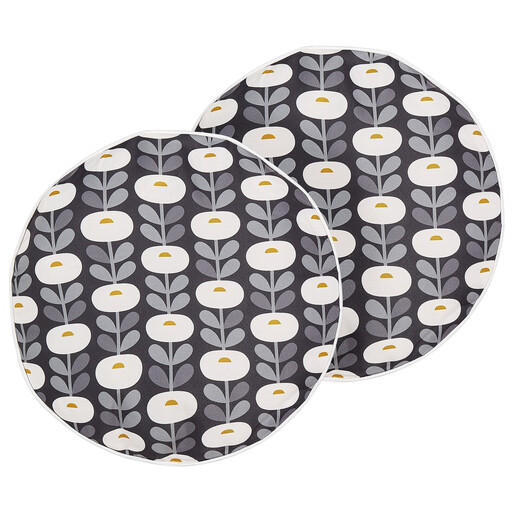
Why this product suits this profile: This set includes two round garden cushions, each with a 40 cm diameter, making them a good fit for compact garden chairs or smaller seating areas. The geometric pattern on a grey background works well with a range of furniture styles.
The round shape and clearly stated size make it easier to check the cushion against your seat. According to the product information, the material is water-repellent or suitable for light rain. It’s still best to store it somewhere dry.
Two cushions in the set; 100% polyester; removable covers, according to the product description.
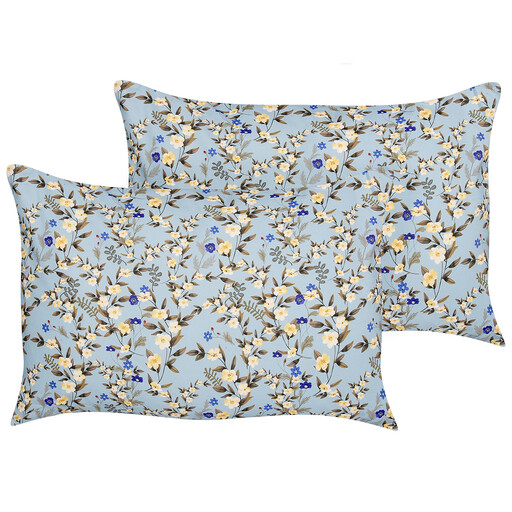
Why this product suits this profile: The rectangular cushions measure 60 x 40 cm, making them a good fit for many garden chairs, narrow benches and smaller lounge seats. The light blue floral design adds a decorative touch.
The product information lists water repellency and Class 5 UV resistance under ISO 105-B02. Even so, the set should be covered or stored somewhere dry during prolonged rain.
Two cushions; zips; polyester covers and filling; UV rating under ISO 105-B02.
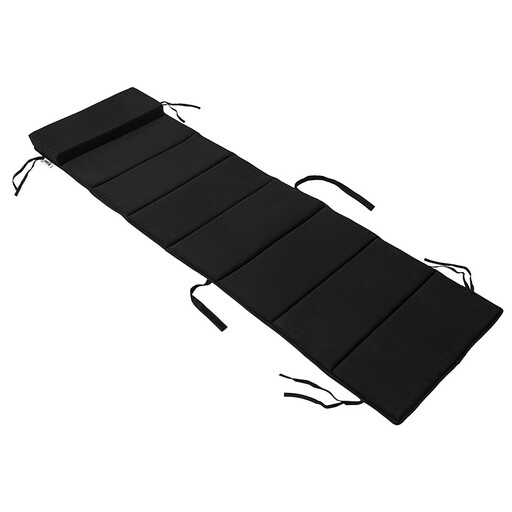
Why this product suits this profile: At around 170 x 50 cm, this long cushion is designed for sun loungers, swing chairs and lounge loungers. The built-in ties help secure it to the lounger.
The stated length is specifically designed for loungers and lounge chairs. You should still measure your own lounger before buying, as the furniture isn’t included.
Long design; ties for fastening; polyester; rolls up for space-saving storage.
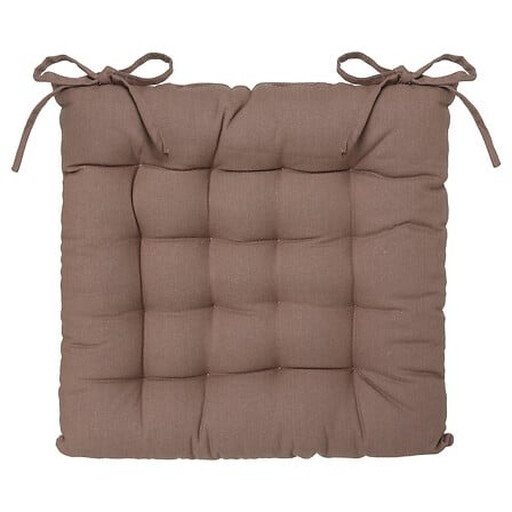
Why this product suits this profile: The square shape is suitable for compact chairs and smaller benches. Four ties secure the cushion to the seat and help prevent it from slipping during everyday use.
The four fastening ties help prevent the common problem of loose seat cushions slipping out of place. The cover isn’t removable, according to the product information, so plan to clean it with a cloth and store it somewhere dry.
38 x 38 x 5 cm; four ties; taupe cover; suitable for indoor and covered outdoor areas.
When choosing, start by deciding on the type of furniture, the measurements and the fastening you need. Then compare the material details, care instructions, and water and UV resistance. For more shapes and colours, browse the outdoor seat cushions range.
We’ve put together a complete, regularly updated list of products that meet these strict selection criteria and fully comply with the safety regulations in force in the EU.
Measure the usable width and depth of the seat, excluding the armrests. For round chairs, measure the diameter. For back cushions and sun lounger cushions, you’ll also need the height of the backrest and the length of the lounging area.
Their lifespan depends on the material, how often they’re used, exposure to sunlight and how they’re stored. Keeping them dry, using a protective cover and regularly removing dirt can reduce wear on the covers. Avoid prolonged dampness and strong UV exposure.
It depends on the product information. Water-repellent cushions may be suitable for light rain, but that doesn’t automatically mean they’re designed to withstand prolonged wet weather. After heavy rain, allow them to dry completely. Dry storage is recommended outside the season when they’re in use.