
Lieferung heute & morgen

Qualitätsgarantie

Willkommens-Angebote freischalten: KOSTENLOSE Lieferung | Bis zu 80 % RABATT | Kostenlose 30-Tage-JoyPlus-Testphase
App herunterladen
Choosing the right garden furniture can be a challenge. The market offers a wealth of designs, materials, and features that make it difficult to make an informed decision. The goal of this article is to provide you with clear, objective guidance. We will introduce you to various material types and present a selection of products designed for durability, functionality, and style, so you can transform your garden, patio, or balcony into an appealing and comfortable living space.
Two key factors determine the longevity and utility of your outdoor furniture: the material and its weather-resistant properties.
The choice of material affects not only the look but also the maintenance requirements and durability of your furniture.
The term "weather-resistant" is not standardised. Look for specific properties like UV resistance to minimise colour fading and corrosion resistance for metal parts. Weather-resistant garden furniture is designed to withstand rain, sun, and temperature fluctuations. Nevertheless, for most furniture, it is recommended to cover it with a protective cover when not in use or to store it in a dry, sheltered place during the winter months to maximise its lifespan.
Here is a curated selection of furniture pieces that stand out for their material properties, design, and functionality.
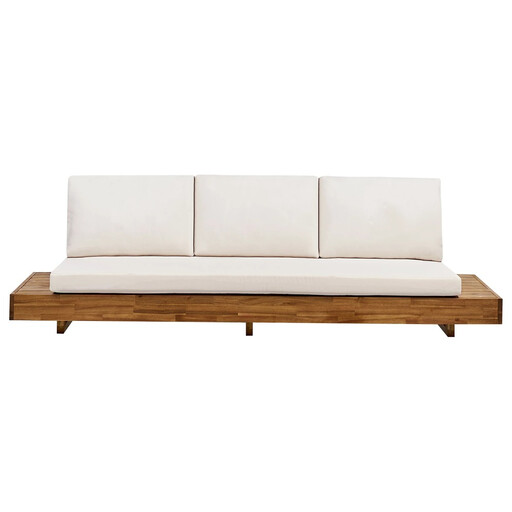
Why it stands out: This generous outdoor sofa combines the natural aesthetic of certified acacia wood with a high level of comfort. With a width of 230 cm, it offers ample space and becomes the centrepiece of any patio or large balcony. The clean lines and warm wood tone create an inviting atmosphere.
Pros:
Who it's for: For users who want to create a spacious outdoor seating area and appreciate the charm of real wood furniture. It is ideal as a central element for lounge furniture in the garden or on an expansive patio.
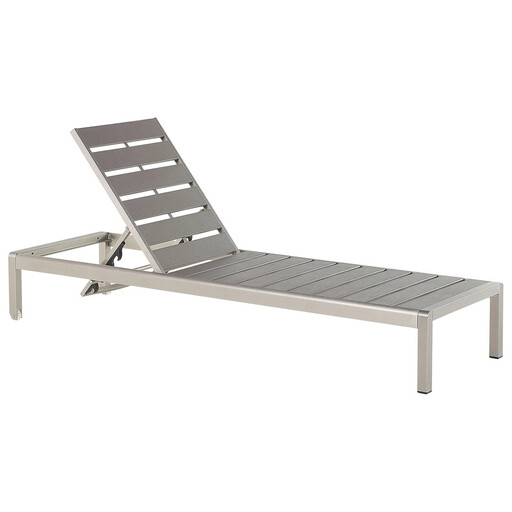
Why it stands out: The NARDO sun lounger combines a minimalist design with high functionality. The grey composite wood surface paired with the aluminium frame has a modern look while being extremely practical. The integrated wheels make it easy to move the lounger to follow the sun.
Pros:
Who it's for: Ideal for anyone looking for a weather-resistant and low-maintenance sun lounger. Its modern design makes it a great choice for modern balcony furniture or as an addition to a pool area.
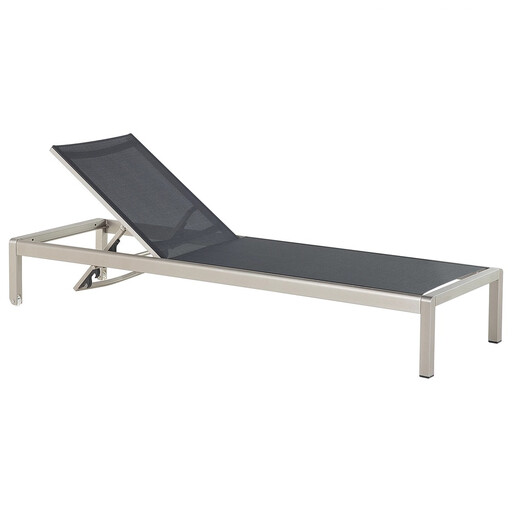
Why it stands out: The FOSSATO garden lounger impresses with its sleek and elegant form. The brushed aluminium frame and black mesh fabric create a timeless, technical design. Weighing only 14 kg, it is exceptionally light yet stable.
Pros:
Who it's for: For design enthusiasts seeking a lightweight, rust-proof, and extremely low-maintenance aluminium garden lounger. It fits perfectly on modern patios, balconies, or in minimalist-designed gardens.
If you haven't found the right piece of furniture for your outdoor space among these recommendations or are looking for other seating options, it's worth exploring a wider selection.
Discover our entire collection of outdoor seating and loveseats to find the ideal addition for your outdoor area if you're looking to buy patio furniture.
"Weather-resistant" means that the materials and construction of a piece of furniture are designed to withstand typical weather conditions like rain, sun exposure, and temperature fluctuations for a certain period without immediate damage. However, it does not mean the furniture can be left outdoors indefinitely without any protection. To maximise its lifespan, using protective covers and storing it in a dry place during winter is recommended.
Acacia wood garden furniture should be cleaned regularly with a soft cloth and a mild cleaning solution. Always wipe in the direction of the wood grain. To protect the wood from the elements and refresh its colour, oiled wood should be re-oiled before its first use and then once or twice a year, depending on the climate and location.
Although aluminium is a lightweight metal, high-quality aluminium garden furniture is engineered for high stability. Products like the FOSSATO lounger are designed, according to the manufacturer, to not tip over or lose stability even in gusts of wind. For particularly windy locations like roof terraces, it may still be wise to secure furniture during strong storms.