
Lieferung heute & morgen

Qualitätsgarantie
App herunterladen
Kategorien
A garden gazebo serves as a functional extension of your outdoor living space. Its primary purpose is to create a defined, sheltered area that offers protection from direct sunlight and rain. Choosing the right model depends on objective criteria such as material quality, construction type, and intended use. This guide analyses the technical parameters relevant for making an informed decision.
A gazebo's durability and functionality are largely determined by its materials and construction. An analysis of these factors is essential for selecting the most suitable model.
The frame forms the gazebo's supporting skeleton. The choice of material affects its stability, weight, and resistance to corrosion.
The roof and side canopies are the primary barrier against the elements. The relevant metrics here are material density and specific coatings.
The design is directly linked to the intended use.
Optional components significantly expand functionality. Gazebos with side panels offer additional protection from wind, driving rain, and prying eyes. Side walls with integrated clear-view windows allow light to enter. Mosquito nets are a practical addition in areas with lots of mosquitos or for evening events to keep insects at bay.
Based on an analysis of technical specifications and practical benefits, we present two models with different primary use cases.
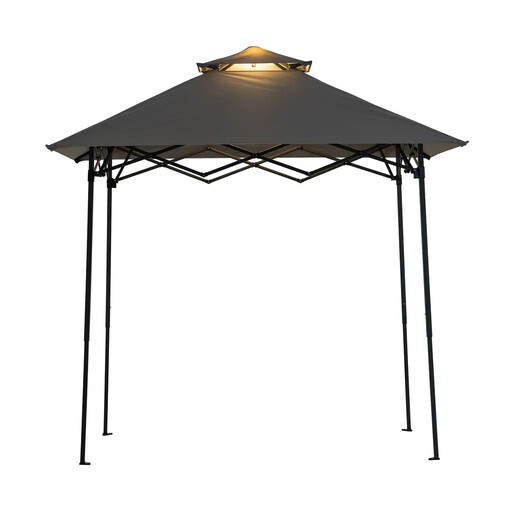
Why We Recommend This Product The SUNJOY CINTO is designed as a specialised grill gazebo. Its construction focuses on the specific needs of barbecuing: a compact footprint, a height-adjustable frame, and integrated lighting. The double-tiered roof design is functional, ensuring efficient dissipation of smoke and heat. The tool-free assembly and included carry bag highlight its focus on practical handling.
Pros
Who It's For This model is suitable for individuals looking for a dedicated and portable shelter specifically for their barbecue area. The integrated lighting and ease of use offer a high degree of practical value for evening grilling sessions.
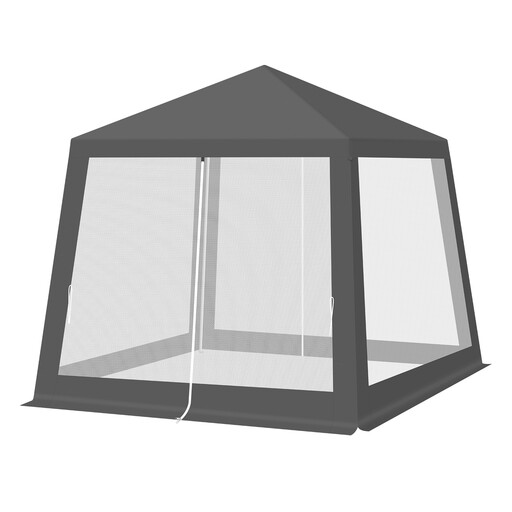
Why We Recommend This Product The Woltu gazebo is a versatile model in the standard 3x3m gazebo size. Its strength lies in the combination of a generous area, which the manufacturer states is suitable for 4 to 6 people, and its included accessories. The four mosquito net side panels provide effective protection against insects, making the gazebo an excellent choice for family gatherings or relaxing evenings in the garden. The 210D Oxford fabric roof with a silver coating offers protection from rain and UV radiation.
Pros
Who It's For This model is aimed at users looking for a flexible and spacious garden gazebo for various occasions such as family celebrations, camping, or as a sheltered seating area. The integrated insect protection is a key advantage for use in the evenings or in gardens close to nature.
The products featured cover specific use cases. For users with different requirements for size, material, or design, a wider selection of models is available. An overview of other designs, from compact pop-up gazebos to robust event tents, can help with the final decision.
Discover more garden gazebos in our Outdoor category
1. What does "waterproof" mean for a garden gazebo? The term "waterproof" refers to the roof material's ability to resist water penetration. This is technically measured by the hydrostatic head in millimetres (mm). A value of 1,500 mm means the material can withstand the pressure of a 1.5-metre column of water before it leaks. For reliable rain protection, sealed or taped seams on the roof canopy are also crucial, as these are potential weak points.
2. How do I secure a pop-up gazebo against wind? A pop-up gazebo must always be secured due to its lower weight. The standard method is to anchor it with the supplied pegs and guy ropes. On soft ground (like a lawn), the pegs should be driven into the ground at an angle. On hard surfaces (like a patio or asphalt), pegs are unsuitable. Here, the legs should be weighed down with special leg weights, fillable water bags, or sandbags to prevent the gazebo from lifting or tipping over in gusts of wind.
3. What UV Protection Factor (UPF) should a gazebo roof have? High UV protection is an important quality feature. The protection factor is given as UPF (Ultraviolet Protection Factor). A UPF of 50+ is a high standard and means the fabric blocks more than 98% of harmful UVA and UVB rays. This is often achieved through a special coating on the inside of the roof material, which not only reflects radiation but also heat, thus creating a cooler climate underneath the gazebo.