
Lieferung heute & morgen

Qualitätsgarantie

Willkommens-Angebote freischalten: KOSTENLOSE Lieferung | Bis zu 80 % RABATT | Kostenlose 30-Tage-JoyPlus-Testphase
App herunterladen
A garden gazebo transforms any outdoor space into a stylish oasis of relaxation. However, the search for the right model can quickly become overwhelming. Many products overpromise and underdeliver, leading to disappointment and unexpected costs. As your Joybuy Product Recommendation Officer, I'm here to help you cut through the noise and make an informed decision based on facts, not marketing hype.
Before you invest, it's crucial to understand the typical weaknesses that often only become apparent after your purchase.
To avoid a bad purchase, focus on three verifiable core features.
A gazebo's durability depends heavily on its frame. A solid steel gazebo is an excellent choice, provided the material has been properly treated.
The choice of roof determines its range of use and maintenance requirements.
The standard 3x3 metre gazebo is a popular size, but exterior dimensions aren't the whole story. The critical measurement is the actual usable area between the posts ("inside post-to-post dimension"). Measure your available space carefully and consider what you plan to place underneath it—a lounge set requires more room than a small bistro table.
Here are three models tailored to different needs that meet the quality criteria mentioned above.
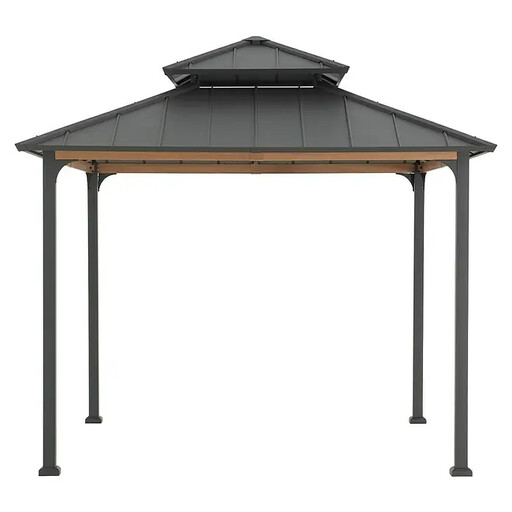
Why It's a Match: Ideal for anyone seeking a permanent, year-round, and extremely robust solution. This gazebo is designed to be a permanent fixture in your garden.
The steel hardtop and robust, powder-coated steel frame counter the "weatherproof" trap. The structure is engineered for high wind (up to 50 MPH) and snow loads (110 kg/m? or ~22.5 lbs/sq. ft.).
Year-round usability and high stability. The vented double roof ensures air circulation, and the 99.9% UV protection (per manufacturer specs) offers comprehensive shelter.
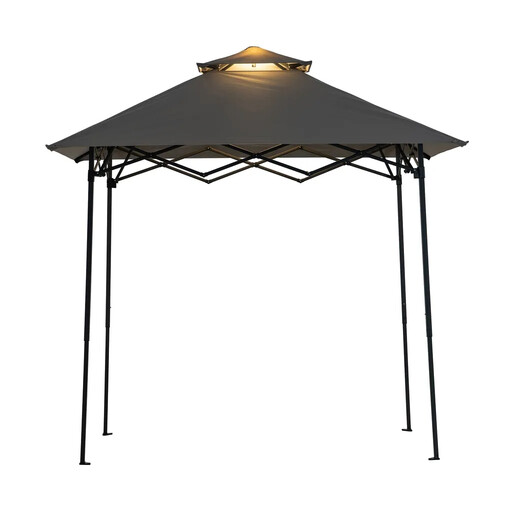
Why It's a Match: Perfect for spontaneous barbecues, picnics, or as a portable shelter at events. Its focus is on rapid setup and portability.
This model doesn't promise year-round weatherproofing. It is clearly positioned as a flexible, temporary solution, thereby avoiding false expectations. The included stakes provide the necessary stability in normal weather.
Tool-free assembly in under 5 minutes. It includes a carrying bag, is height-adjustable, and comes with a magnetic LED light for evening use.
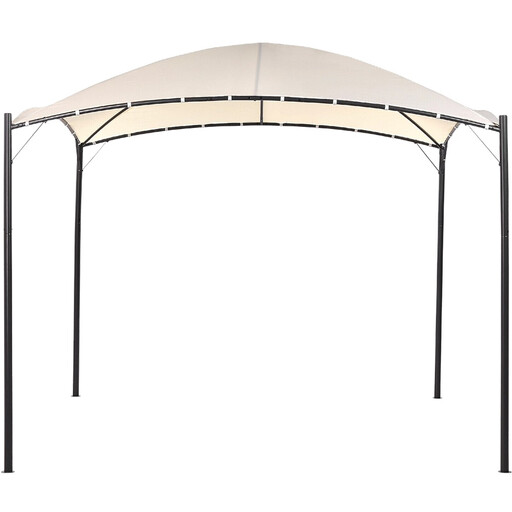
Why It's a Match: A stylish and affordable choice for those primarily seeking a decorative sunshade for the summer months who also appreciate a classic design.
This pergola is clearly positioned as a sunshade with a fabric canopy, not an all-weather gazebo. The powder-coated steel frame provides a solid foundation in its category, avoiding the trap of cheap, unstable constructions.
Excellent value for a functional and aesthetic sunshade. The combination of a black frame and beige canopy blends harmoniously into many garden designs.
We've compiled a comprehensive, up-to-date list of products that meet these strict selection criteria.
Building permit regulations vary by region and the size of the gazebo. Smaller, non-permanent models are typically permit-free. However, a large, permanently anchored hardtop gazebo may require a permit. It is advisable to check with your local building authority before purchasing to be on the safe side.
A storm-proof installation starts with a level and stable foundation, such as a concrete slab, wooden deck, or paving stones. Hardtop gazebos must be bolted to the foundation; the support feet are usually pre-drilled for this purpose. For gazebos with a fabric canopy, it is crucial to remove the canopy during high winds or storm warnings to prevent damage to the frame.
Although the terms are often used interchangeably, there is a structural difference. A pergola traditionally has a more open roof structure, often consisting of cross-beams that serve as a trellis for climbing plants, or a lightweight, often retractable, fabric canopy. Its main purpose is to create a shaded yet airy space. A garden gazebo, on the other hand, is defined by a fully covered roof (either soft top or hardtop) and thus offers more comprehensive protection from sun and precipitation.