
Lieferung heute & morgen

Qualitätsgarantie

Willkommens-Angebote freischalten: KOSTENLOSE Lieferung | Bis zu 80 % RABATT | Kostenlose 30-Tage-JoyPlus-Testphase
App herunterladen
A well-chosen garden gazebo creates a sheltered outdoor space—for relaxing afternoons, social barbecues, or as a stylish centrepiece for your garden landscape. But the market is confusing, and many products don't deliver on their promises. A poor decision often leads to the supposed shade provider becoming unusable after a short time.
Three common weaknesses, in particular, repeatedly turn out to be costly traps for buyers:
To make an informed decision, it is essential to understand the key technical features and pay attention to objective quality criteria.
Instead of being guided by marketing promises, you should check three core parameters. These significantly determine the longevity, safety, and functionality of your gazebo.
The quality of the roof material is crucial for protection against rain and sun. Look for the following specifications:
The frame is the skeleton of the gazebo. Its stability depends on the material and construction.
The Ultraviolet Protection Factor (UPF) indicates how effectively a fabric protects against UVA and UVB rays. A value of UPF 50+ means the material blocks more than 98% of UV radiation. This is a verifiable standard that goes far beyond the mere effect of shade and makes an important contribution to health protection.
Instead of a one-size-fits-all recommendation, we present models tailored to specific user profiles and their requirements.
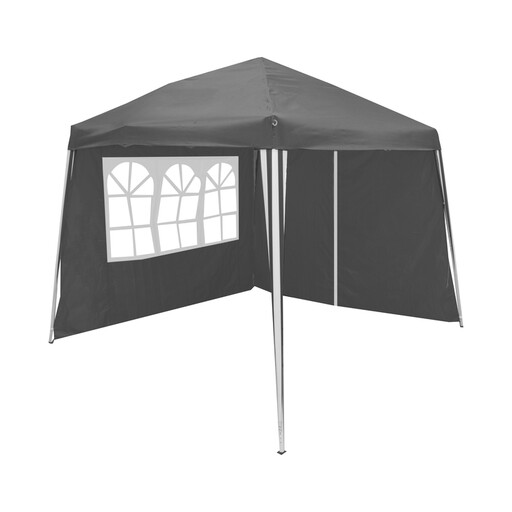
Why This Fits Their Persona: Ideal for users who need a quick and uncomplicated solution for garden parties, flea markets, or as temporary sun protection. The 3x3 metre size offers enough space for a seating area.
The 140 g/m² polyester fabric is more robust than entry-level models. The UPF50+ certification ensures reliable UV protection. The included side panels offer better wind and weather protection than open designs.
Quick setup thanks to the folding mechanism; Includes 2 flexibly usable side panels for increased protection.
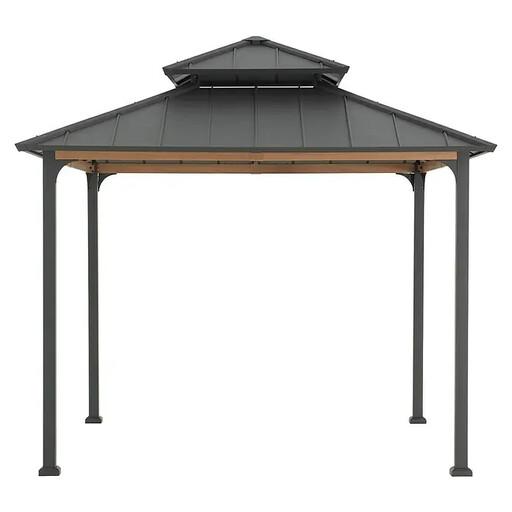
Why This Fits Their Persona: For homeowners looking for a permanent, year-round, and architecturally appealing canopy for their patio or garden.
The problems of instability and poor waterproofing are completely solved by the solid steel roof and powder-coated steel frame. According to the manufacturer, the construction is designed for high wind and snow loads.
Extremely durable and weather-resistant for year-round use; Dual-rail system for easy attachment of curtains or mosquito nets (sold separately).
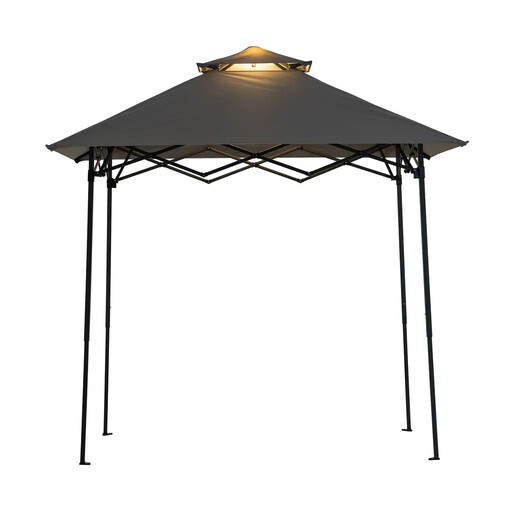
Why This Fits Their Persona: Perfect for BBQ enthusiasts who need a dedicated, weather-protected space for their grill. The compact size and thoughtful features are tailored for this purpose.
Unlike standard gazebos, this grill gazebo features a double-tiered roof that effectively vents smoke and heat. The steel frame provides a more stable and fire-resistant base than simple fabric gazebos near a heat source.
Double-tiered roof for optimal ventilation; Integrated, remote-controlled LED lighting for evening barbecues; Height-adjustable for added convenience.
We have compiled a complete, up-to-date list of products that fully meet these strict selection criteria and safety regulations.
Proper anchoring is crucial for safety. For pop-up gazebos and party tents on soft ground (like a lawn), you should always use the included pegs and guy ropes. On hard surfaces like patio slabs, special leg weights filled with sand or water are an effective solution. Hardtop gazebos require permanent anchoring in a foundation (e.g., concrete or a wooden deck) according to the manufacturer's assembly instructions.
A pop-up gazebo is characterized by a pre-assembled scissor frame that allows for setup in just a few minutes. It is intended for mobile and flexible use. A classic party tent often consists of a pole system that is plugged together. Assembly is more complex, but party tents are often available in larger sizes and are designed for longer-term use at events.
Regulations for the construction of garden structures like gazebos vary by country, state, and even municipality. In many cases, smaller structures not permanently attached to the main house are permit-free. However, a large, permanent hardtop gazebo may require a permit. It is strongly recommended that you check with your local building authority about local regulations before purchasing and assembling to avoid legal issues.