
Lieferung heute & morgen

Qualitätsgarantie

Willkommens-Angebote freischalten: KOSTENLOSE Lieferung | Bis zu 80 % RABATT | Kostenlose 30-Tage-JoyPlus-Testphase
App herunterladen
A garden gazebo can transform an outdoor area from a simple patch of lawn into an inviting outdoor living space. But the market is filled with options whose quality and durability are difficult to assess. Many buyers invest in a model that starts to rust after the first season, becomes unstable in moderate wind, or has a leaky roof. To help you make an informed decision, we'll highlight the most common pitfalls and the crucial features you should look for.
Before exploring the different types, it's important to know the typical flaws that often only become apparent after the purchase.
To avoid a bad purchase, you should focus your attention on three core technical aspects. These largely determine the longevity and functionality of your gazebo.
The frame is the skeleton of the gazebo. The choice of material and its protective coating are crucial for stability and weather resistance.
The roof provides protection from sun and rain. The differences between materials are significant.
Not every gazebo suits every need. The basic design determines its optimal use.
Here are some models tailored to specific use cases that meet the quality criteria mentioned.
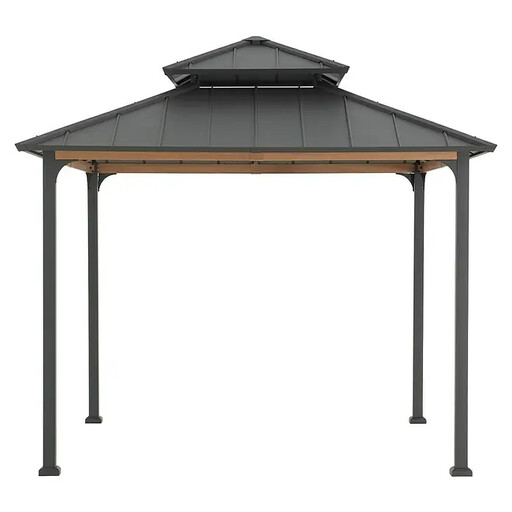
Why this model fits: Ideal for homeowners looking for a permanent, year-round extension to their outdoor living space. Its robust construction makes it a long-term investment.
The powder-coated steel frame and solid steel roof offer high resistance to rust and weather, thus bypassing the problems of instability and poor weatherproofing.
High load capacity: The structure is designed for a snow load of 110 kg/m? and a wind resistance of 50 MPH, enabling year-round use.
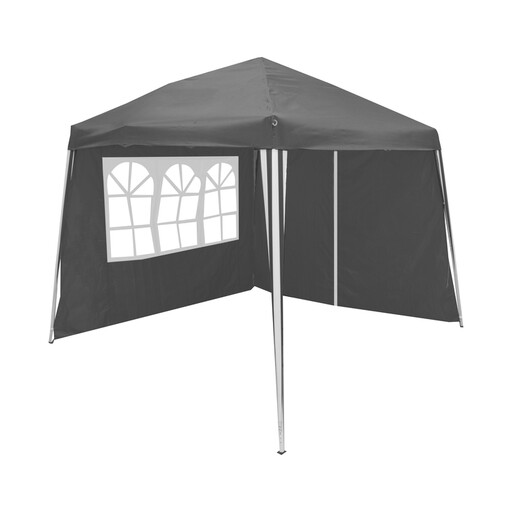
Why this model fits: Perfect for spontaneous garden parties, festivals, or as a temporary sunshade. Its quick setup and low weight make it extremely mobile.
This model provides transparent material specifications (140 g/m? polyester fabric) and meets the EN 13561:2015 safety standard. This creates a reliable foundation compared to uncertified, low-cost products.
Quick setup and added flexibility with two included side panels that offer protection from wind and side sun exposure.
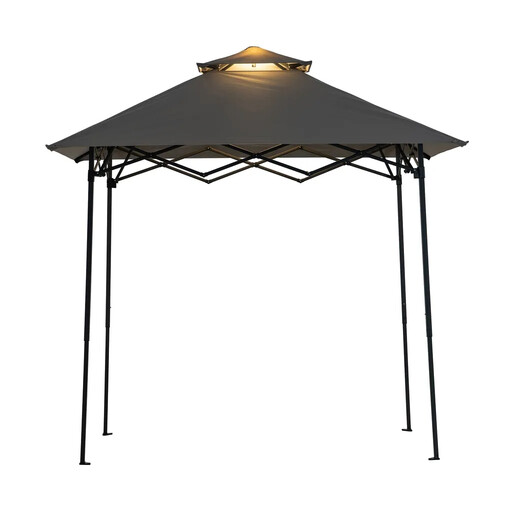
Why this model fits: Specially developed for grill enthusiasts who need a dedicated, well-ventilated, and lit space for their grilling station.
Instead of using an unsuitable standard gazebo, this model offers a functional, specialised solution. The double-tiered roof ensures targeted smoke and heat ventilation, a detail missing from repurposed gazebos.
Tool-free assembly in under 5 minutes, a height-adjustable frame, and an integrated, remote-controlled magnetic LED light for evening barbecues.
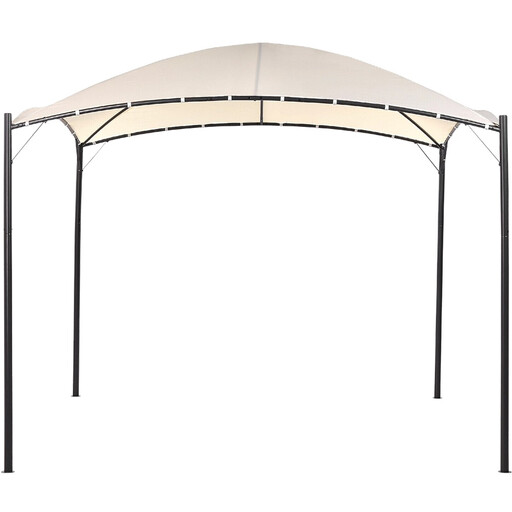
Why this model fits: For anyone seeking an aesthetic alternative to the classic gazebo. The pergola creates a stylish structure and provides shade without completely enclosing the area.
The powder-coated steel frame is a clear quality feature that sets this pergola apart from simple, rust-prone metal frames, providing a solid, durable base for sun protection.
The modern design combines a robust structure with a light, bright sun canopy, creating an airy yet protected atmosphere.
We have compiled a complete, up-to-date list of products that fully meet these strict selection criteria and relevant safety standards.
Building permit regulations vary by country and even by local municipality. Generally, small, temporary structures like a pop-up gazebo are permit-free. However, for larger, permanently installed structures like a hardtop gazebo, a permit may be required, especially if certain size or height dimensions are exceeded. It is strongly recommended to check with your local building authority about the specific regulations before assembly.
The method of securing depends on the gazebo type. Pop-up gazebos should always be secured with the included pegs and guy ropes. For stronger winds, additional weights on the legs are advisable. A gazebo with a solid roof must be firmly anchored to a solid foundation (e.g., concrete slabs, wooden deck). Use the provided holes in the post base plates and appropriate mounting hardware. Always observe the manufacturer's wind resistance rating.
No. Making a gazebo winter-proof requires more than just a solid roof. The crucial factor is the specified snow load, given in kg/m?. The gazebo can only be left up in winter if the manufacturer guarantees sufficient snow load capacity for your region. Fabric roofs, including those on a pergola, should always be removed before the first snowfall to prevent damage to the frame.