
Lieferung heute & morgen

Qualitätsgarantie

Willkommens-Angebote freischalten: KOSTENLOSE Lieferung | Bis zu 80 % RABATT | Kostenlose 30-Tage-JoyPlus-Testphase
App herunterladen
A dripping connection, a broken connector in the middle of gardening season—nearly every home gardener knows the frustration of unreliable garden hose couplings. The market is flooded with products promising durability and a universal fit, but the reality is often quite different. Before you make a decision, it's crucial to understand the most common pitfalls that lead to leaks and unnecessary expenses.
Two problems are particularly common:
A well-considered selection not only saves you frustration but also ensures efficient, water-saving irrigation for your garden.
To avoid buyer's remorse, you should focus on a few critical technical parameters. These determine the seal, durability, and functionality of the coupling.
The choice of material is fundamental to your coupling's lifespan. While metal couplings are very robust, modern plastic variants offer advantages in weight and corrosion resistance, provided the quality is right. Look for terms like high-impact polymer or ABS plastic. These materials are specifically designed to withstand weathering from UV radiation and frost without becoming brittle. A simple plastic hose connector can therefore be a very durable solution if it's made from the right polymer.
The most common size for garden hoses in the UK and Europe is 3/4 inch. A 3/4 inch hose coupling is therefore often the right choice. Nevertheless, it is essential to check compatibility with your existing system. Most brands use a so-called click-on system that allows for quick connection and disconnection. Before buying, check if the coupling is explicitly designed for these widespread systems to ensure a truly tight and stable connection when you want to connect your garden hose.
A leak-free connection depends heavily on the quality of the internal sealing rings and the precision of the threads. High-quality couplings feature precision-fit seals made of durable rubber or silicone that retain their shape even with changing water pressure. A precisely manufactured housing ensures that the connecting parts fit together without play, allowing the seal to sit optimally. Whether you need a simple garden hose connector or a more complex garden Y-splitter, the design quality of the sealing surfaces is non-negotiable.
Instead of making a blanket recommendation, we have identified products tailored to the specific needs of garden owners.
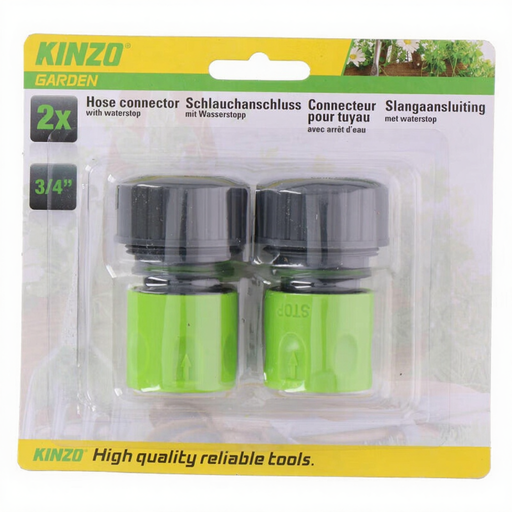
Why This Fits Their Persona: Ideal for basic connection tasks in the garden. The 2-piece set offers excellent value and ensures a spare is always on hand if a coupling is lost or needed for a second hose.
The clear specification as a 3/4-inch connector avoids the "universal" trap. According to the manufacturer, it is made of high-strength plastic, making it more resilient than no-name, low-cost plastics.
The product is supplied as a 2-pack, creating a convenient stock for standard connection tasks.
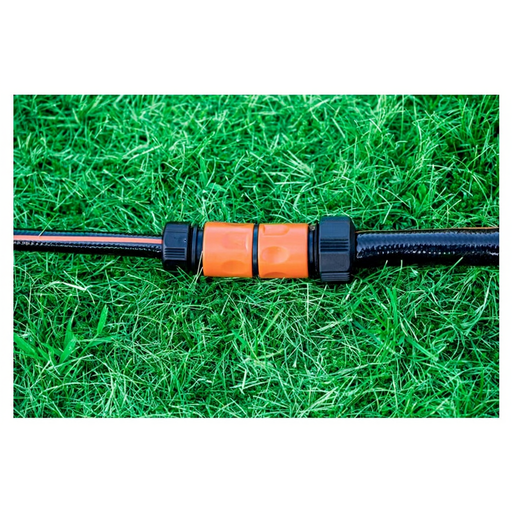
Why This Fits Their Persona: Perfect for anyone who needs to connect two hoses to reach the farthest corners of their garden. This 2-way connector is specifically designed for extension without having to buy a heavy, unwieldy single hose.
The weather-resistant polymer material counteracts embrittlement from UV light. Its integrated, reliable sealing system is designed to prevent water loss and maintain pressure—a direct counter to the trap of leaky "universal" connectors.
At just 20 grams, the coupling is extremely lightweight and compact. It adds almost no extra weight to the extended hose, making it easier to handle.
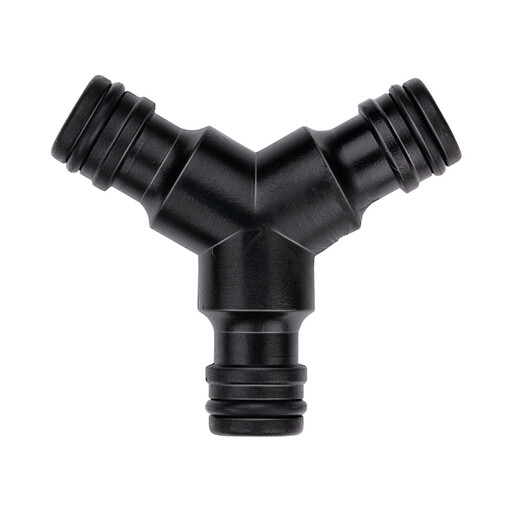
Why This Fits Their Persona: For users who want to optimize their irrigation. This 3-way splitter allows the water flow from one tap to be divided between two devices, such as running a lawn sprinkler and a garden sprayer simultaneously.
The construction of robust ABS plastic with a stainless steel finish provides stability to a component that is subjected to higher stress from splitting the water flow. As a specific garden Y-splitter, its function is clearly defined and not vaguely "universal."
Enables the simultaneous use of two end devices from a single garden hose water connection. This doubles efficiency for more complex watering tasks.
We have compiled a complete, up-to-date list of products that fully meet these strict selection criteria and UK safety regulations.
No, not completely. The term "universal" usually refers to compatibility with widespread click-on systems. However, hose diameters and thread types can differ. Always look for the explicit size specification, such as 3/4 inch, and compare it with your existing hose and accessories to rule out fitting issues from the start.
A leak-free connection starts with selecting a quality product. Look for precisely manufactured parts and high-quality seals. When assembling, it's important to check that the seal is clean and correctly seated. Only hand-tighten plastic threads to avoid damage. Investing in a coupling made of weather-resistant material also prevents it from deforming under pressure or due to aging, which can cause leaks.
A 2-way connector is typically used to join two hose ends together to extend their reach. It has one input and one output. A 3-way splitter, often called a garden Y-splitter, has one input and two outputs. Its function is to divide the water flow, allowing you to operate two different devices (e.g., two sprinklers or a sprinkler and a hand nozzle) simultaneously from a single tap.