
Lieferung heute & morgen

Qualitätsgarantie

Willkommens-Angebote freischalten: KOSTENLOSE Lieferung | Bis zu 80 % RABATT | Kostenlose 30-Tage-JoyPlus-Testphase
App herunterladen
The right garden lighting transforms outdoor spaces into atmospheric retreats while also enhancing security. However, the market is flooded with products whose promises often don't hold up to reality. Before you invest, it's crucial to understand the common pitfalls that can lead to disappointment and unnecessary expense.
Many buyers are frustrated by lights that fail after the first heavy downpour or solar lamps that barely last a single night. These issues often stem from three common shortcomings:
A careful look at the technical specifications and materials will help you avoid these mistakes and find a durable solution.
To make an informed decision, three key parameters are crucial. They determine whether a light is suitable for your specific use case and can withstand the elements over the long term.
The IP (Ingress Protection) rating is an internationally standardized code that indicates how well an enclosure is protected against the intrusion of foreign objects and water. For a waterproof outdoor lamp, this is the most important indicator.
The choice of power supply depends on the location and the desired lighting effect.
The longevity of an outdoor light is largely determined by its material. While simple plastic often becomes unsightly after a short time, other materials offer significant advantages:
Based on these criteria, we have curated a selection of products for different user profiles and applications.
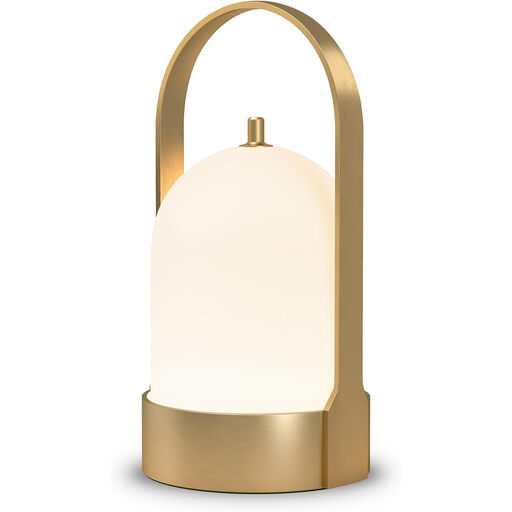
Why it's a great fit: Ideal for anyone who wants to spontaneously adjust their lighting—from the balcony table to a garden reading nook. Its cordless freedom makes it extremely versatile.
The lamp has a clear IP44 certification, ensuring protection against splashing water. This makes it suitable for use on covered patios and balconies without making false promises.
The 4000 mAh battery provides a long runtime and can be easily recharged via USB. The 4-level touch-dimming function allows for flexible brightness adjustment.
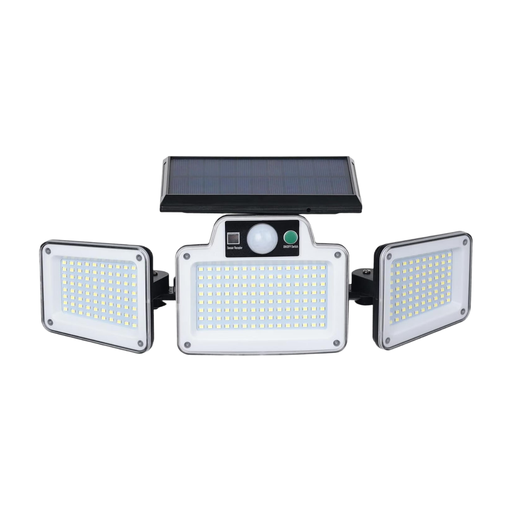
Why it's a great fit: Designed for reliable illumination of driveways, garages, and entryways. The motion sensor provides light on demand and deters unwanted visitors.
The large, separate solar panel with a long cable can be optimally positioned towards the sun, bypassing the pitfall of insufficient charging. The IP65 rating ensures functionality even in heavy rain.
Three adjustable light heads with 280 LEDs allow for wide and targeted illumination. The three modes, selectable via remote control, offer flexibility between motion-activated and continuous light.
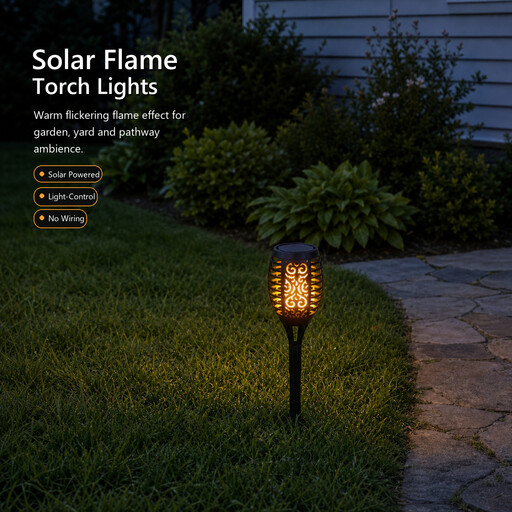
Why it's a great fit: Perfect for creating a warm, inviting atmosphere along garden paths or in flowerbeds without any installation effort. The flame effect is a decorative eye-catcher.
These torches are classified as IP65 (protected against water jets) and made from weather-resistant material, avoiding the pitfall of poor durability common in budget decorative lights.
Installation is incredibly simple: just stake them into the ground. The automatic on/off function via a dusk-to-dawn sensor ensures convenient and energy-efficient operation.
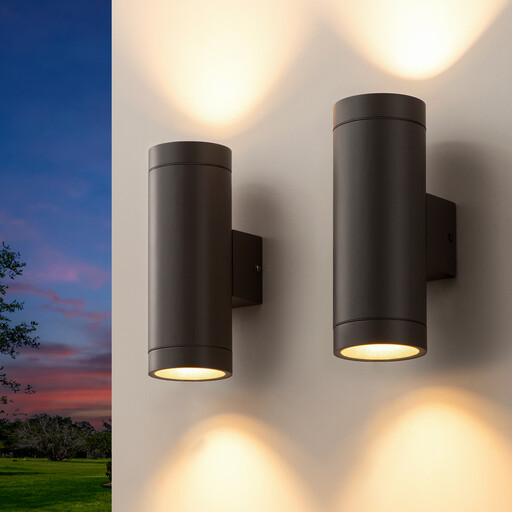
Why it's a great fit: For homeowners seeking permanent, hardwired lighting to accentuate their home's architecture with stylish light effects.
The housing, made of rustproof aluminium and tempered glass, bypasses the pitfall of inferior materials. It is designed for longevity and maintains its appearance and function even in harsh weather.
The modern up-and-down light effect creates elegant, glare-free illumination on the house wall. The fixture uses replaceable GU10 bulbs, allowing for flexibility in light colour and brightness.
We have compiled a complete, up-to-date list of products that fully meet these strict selection criteria and safety requirements.
1. How long does a solar lamp stay lit in winter? The runtime of solar lamps is significantly shorter in winter than in summer. Shorter days, lower sun intensity, and colder temperatures reduce charging performance and battery capacity. A good solar lamp might stay lit for a few hours in winter, depending on the weather, whereas in summer it can last all night. Models with a large panel and battery have a clear advantage here.
2. What exactly do the IP ratings on outdoor lights mean? The IP rating consists of two digits. The first digit (0-6) describes the level of protection against foreign objects and contact. The second digit (0-9) describes the level of protection against water. For outdoor use, the second digit is crucial: IPx4 (splashing water), IPx5 (water jets), and IPx7 (temporary immersion) are the most common relevant levels.
3. Can I install an outdoor light myself? That depends on the type of light. Solar and battery-powered lights generally require no special expertise and can be easily placed or mounted. Mains-powered lights (230V), however, must be hardwired to the electrical system. For safety reasons and to comply with regulations, this installation should always be carried out by a qualified electrician.