
Lieferung heute & morgen

Qualitätsgarantie

Willkommens-Angebote freischalten: KOSTENLOSE Lieferung | Bis zu 80 % RABATT | Kostenlose 30-Tage-JoyPlus-Testphase
App herunterladen
Atmospheric garden lighting transforms any outdoor space into a relaxing retreat. Whether it's for cosy balcony lighting on warm summer evenings or festive outdoor Christmas lighting, the right lights create an unparalleled atmosphere. However, the market is flooded with products whose promises vanish into thin air after the first downpour or just a few weeks of use.
Before you invest, you should be aware of three common pitfalls that often lead to frustration instead of joy:
This guide will help you bypass these problems and make an informed decision for your patio lighting or garden design.
To choose durable and functional garden lighting, you should carefully examine three technical features. These are crucial in determining the performance and longevity of your new decorative lights.
The IP (Ingress Protection) rating indicates how well an electrical device is protected against the entry of foreign objects (first digit) and water (second digit). For outdoor use, two classes are particularly relevant:
The choice of energy source depends on your intended use and local conditions.
The light colour is measured in Kelvin (K) and has a major impact on the mood.
Here are some product recommendations tailored to specific user profiles that take the above criteria into account.
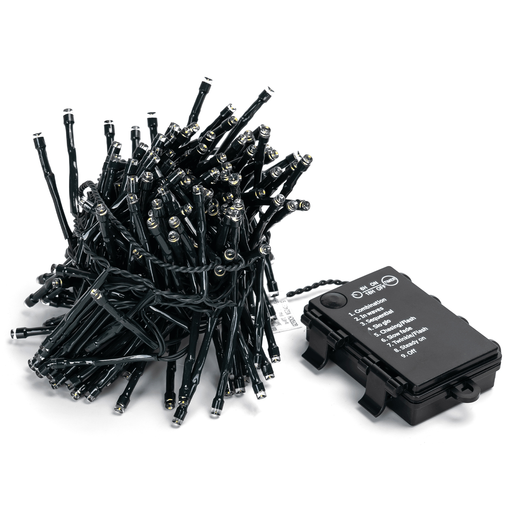
Why This Fits Their Persona: Ideal for anyone who wants to decorate independently of power sockets and sunlight. Perfect for spontaneous decorations on the balcony, for parties in a marquee, or for illuminating wreaths and plants without tangled wires.
The battery power source bypasses the trap of unreliable solar light runtimes in shady locations. The integrated timer function ensures efficient energy use.
Dense LED arrangement (2.5 cm spacing) for an intense line of light; 8 modes, timer and memory function; IP44 protection for sheltered outdoor use.
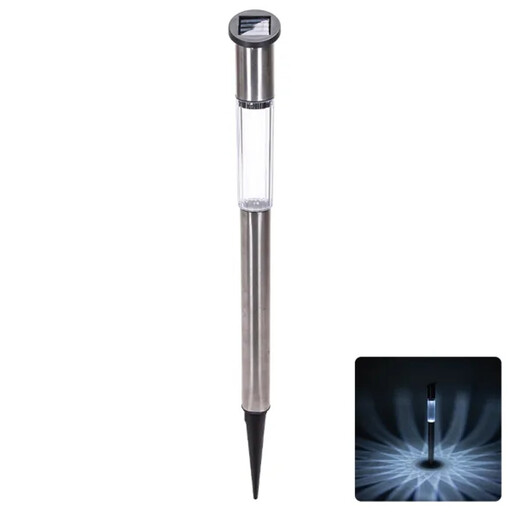
Why This Fits Their Persona: A classic, low-maintenance solution for marking garden paths or flowerbeds. It uses solar energy, turns on automatically, and requires no running costs or wiring.
The stainless steel housing is more resistant to weather conditions than many cheap plastic alternatives. The specified charging and lighting duration is realistic for solar lights with a polycrystalline panel.
Easy installation with a ground stake; provides up to 8-12 hours of cool white light (6500K) for clear visibility and orientation in the dark.
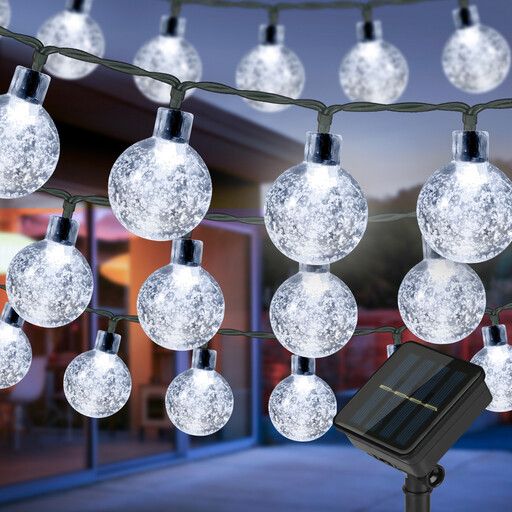
Why This Fits Their Persona: Perfect for creating a cosy or festive atmosphere on balconies and patios. The 11-metre length and decorative design of the bubble lights offer plenty of creative freedom for railings, plants, or party tents.
With an IP65 rating, this solar string light is protected against water jets, making it more robust than many products with a lower classification. This increases its longevity for unprotected outdoor installation.
8 different lighting modes for varied effects; decorative bubble design; high energy conversion efficiency of the solar panel, over 17% according to the manufacturer.
We have compiled a complete, up-to-date list of products that fully meet these strict selection criteria and UK safety regulations.
The actual runtime depends on several factors: the intensity and duration of sunlight during the day, the cleanliness of the solar panel, and the quality of the built-in battery. On a sunny summer day, high-quality models can certainly last 8 to 12 hours. However, in winter or on cloudy days, the runtime is significantly reduced. The lifespan of the LEDs themselves is often 15,000 hours or more.
The IP rating indicates the degree of protection against foreign objects and water. IP44 means the light is protected against splashing water from all directions. This is sufficient for sheltered areas. IP65 means the light is dust-tight and protected against water jets (e.g., from a garden hose or heavy rain). For lights that are left unprotected in the garden, IP65 is the more reliable choice.
Yes, solar lights do work in winter, but with reduced performance. The shorter days and the lower angle of the sun mean that the battery can store less energy. The runtime will therefore be shorter than in summer. To maximise performance, you should ensure that the solar panel is free of snow and dirt and is placed in a location with maximum sun exposure.