
Lieferung heute & morgen

Qualitätsgarantie

Willkommens-Angebote freischalten: KOSTENLOSE Lieferung | Bis zu 80 % RABATT | Kostenlose 30-Tage-JoyPlus-Testphase
App herunterladen
Finding the right garden lounger can be a daunting task. The selection is vast, and the differences in material, function, and design can be overwhelming. The goal of this guide is to provide you with clear direction. We will outline objective criteria for your selection and present a variety of models to help simplify your decision for the perfect sun lounger.
Before you decide on a model, the following points will help you define your requirements.
The material determines not only the look of your garden recliner but also its maintenance requirements and longevity.
The practical features of a lounger are crucial for the ultimate relaxation experience.
Here is a presentation of three models with different features, designed to meet a range of needs.
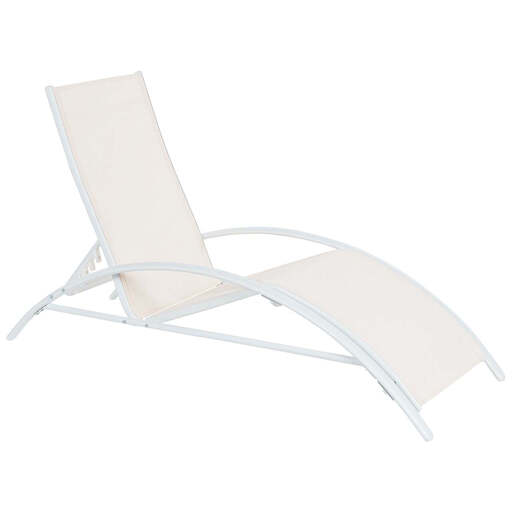
Why It Stands Out: This model combines a lightweight steel frame with a practical folding function, making it a highly flexible solution for areas where space needs to be used optimally.
Advantages:
Who It's For: This model is ideal for users with balconies, smaller patios, or anyone looking for a straightforward, mobile, and easy-to-store foldable garden lounger.
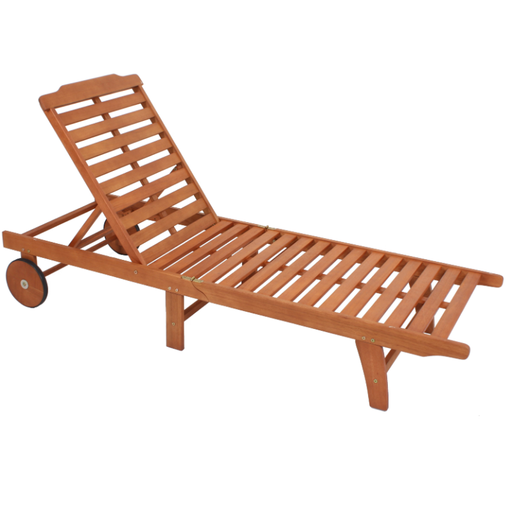
Why It Stands Out: The PALM SPRINGS lounger captivates with its classic aesthetic, crafted from oiled eucalyptus wood. Despite its sturdy construction, the integrated wheels ensure it remains mobile.
Advantages:
Who It's For: A great choice for garden owners who value natural materials and are looking for a stable, yet mobile sun lounger for larger spaces.
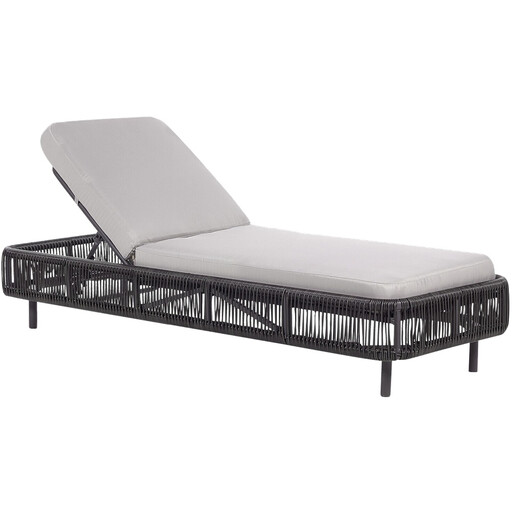
Why It Stands Out: The OSINI lounger focuses on superior comfort and a modern design. The thick cushion and durable polyrattan weave create a premium lounge atmosphere.
Advantages:
Who It's For: Perfect for users seeking a stationary, exceptionally comfortable, and stylish rattan garden lounger for their patio or poolside area, who also prioritise durability and low maintenance.
If these models don't exactly match what you're looking for, or if you prefer a particularly compact and flexible solution for both indoor and outdoor use, it might be worth exploring other concepts.
Discover our selection of foldable floor chaise longues, which offer a modern and space-saving alternative.
The term "weather-resistant" is not standardized, but it generally refers to the material's ability to withstand typical weather conditions. A weather-resistant garden lounger should be UV-resistant to slow down colour fading. It should also be able to withstand moisture without rusting (for metal) or rotting (for wood). Materials like polyrattan and powder-coated aluminium are considered highly weather-resistant. Nevertheless, it is recommended to cover the furniture or store it in a sheltered place when not in use to maximize its lifespan.
Polyrattan and powder-coated aluminium are the lowest-maintenance materials. They can be easily cleaned with a damp cloth and a mild soap solution. Wood, especially softwoods, requires more attention. It should be cleaned regularly and treated with a maintenance oil at least once a year to protect it from greying and cracking.
The optimal storage method depends on the material. Foldable loungers made of metal or plastic can be stored compactly in a dry basement, garage, or garden shed. Larger, non-foldable models made of wood or polyrattan should also be stored in a dry, cool place. If this isn't possible, using a suitable, breathable protective cover is essential. This protects the lounger from moisture, dirt, and frost, while also preventing moisture build-up and mould.