
Lieferung heute & morgen

Qualitätsgarantie
App herunterladen
Kategorien
A high-quality garden lounger is an investment in outdoor comfort and relaxation. To maximise its lifespan and protect it from the elements, a suitable garden lounger cover is an essential accessory. Rain, UV radiation, dirt, and frost can damage materials like wood, metal, and upholstery. A proper protective cover preserves the look and functionality of your lounger for many seasons.
This article analyses the technical criteria for selecting the right cover and presents a selection of models with different material properties.
The choice of a cover should be based on objective, technical parameters. The following criteria are crucial for functionality and durability.
The material is the most important factor for a cover's protective performance and durability.
Polyethylene (PE): PE fabric is a lightweight and generally more budget-friendly material. It is water-repellent and offers basic protection against dust, dirt, and moisture. Due to its lower material density, it can be more prone to tearing than more robust fabrics. It is suitable for use in sheltered locations or in moderate weather conditions.
Oxford Fabric (e.g., 600D): This material, often made of polyester, is characterised by a high weave density. The "D" stands for Denier, a unit of measurement for the fineness of yarn. A higher value like 600D indicates a thicker, more durable, and tear-resistant yarn. Oxford fabric is often treated with an inner coating of PVC (polyvinyl chloride) or PU (polyurethane) to achieve a high level of waterproofing. This material combination offers comprehensive protection, even in heavy rain and snow, making it an excellent choice for winterizing a garden lounger.
A correct fit is crucial to ensure the cover can perform its protective function and won't slip in the wind. Measure your garden lounger at its widest, highest, and longest points (Length x Width x Height). A cover should be a few centimetres larger than the lounger to make it easier to put on and to allow for adequate air circulation. However, a cover that is too large can catch the wind and allow water to pool in its folds. The standard size 218x77x55 cm cover fits many common sun lounger models.
A secure fastening system prevents the cover from blowing away in strong winds. Common systems include:
Based on the technical criteria mentioned, we present three products with different specialisations.
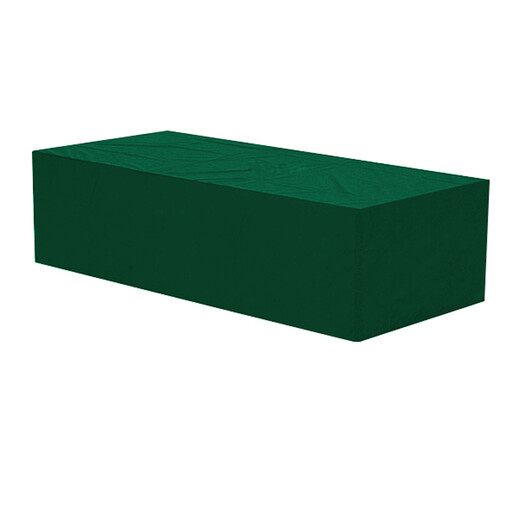
Why we're analysing this product: This model represents a functional, entry-level solution. The polyethylene fabric used offers solid, basic protection for garden loungers.
Technical Specifications:
Who it's for: This model is designed for users looking for a cost-effective and lightweight cover for protection against dust, dirt, and light rain in less exposed locations.
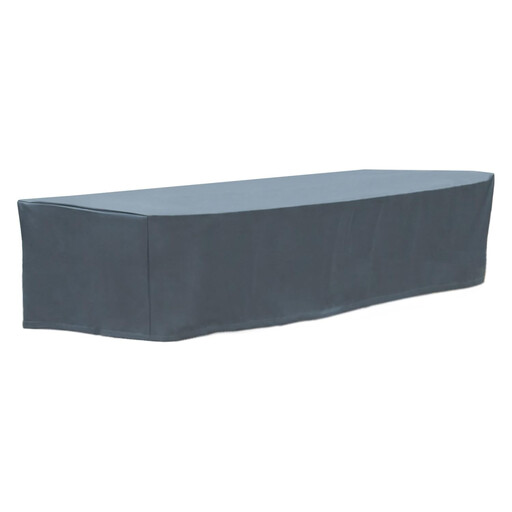
Why we're analysing this product: This protective cover is designed for maximum durability. The 600D Oxford fabric, with a weight of 260 g/m² and a PVC inner coating, offers a high degree of protection according to the manufacturer.
Technical Specifications:
Who it's for: This model is aimed at owners of high-end garden loungers and users in regions with harsh weather conditions such as heavy rain, snow, or strong winds. It is designed for year-round use.
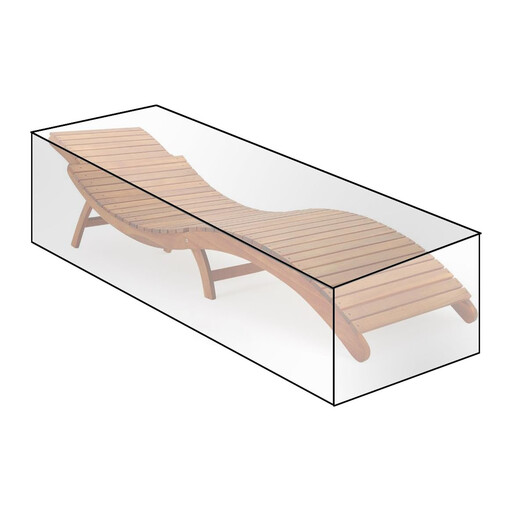
Why we're analysing this product: The unique feature of this model is its transparency. It combines protection with the ability to keep the design of the covered furniture visible.
Technical Specifications:
Who it's for: Ideal for users who want to maintain the aesthetic appeal of their garden furniture even when covered, while still needing reliable protection from the elements.
If the models presented here do not exactly match your requirements in terms of dimensions or material properties, a wide range of alternatives is available. For different furniture types and sizes, you can find more solutions in our main category for Garden Furniture Covers.
1. What is the best material for a garden lounger cover? The choice of material depends on the intended use. For basic protection in sheltered areas, PE fabric is often sufficient. For year-round, robust protection against harsh weather conditions like heavy rain and snow, Oxford fabric (e.g., 420D or 600D) with a waterproof inner coating (PVC or PU) is the technically superior choice.
2. How do I winterize my garden lounger? Covering it with a suitable, durable, and waterproof protective cover is the key step. Clean and dry the lounger completely before covering it to prevent mould growth. Ensure the cover is securely fastened to minimise winter damage from wind and weather. Cushions and pads should be stored separately in a dry place.
3. Does a cover promote mould growth? With non-breathable materials, condensation can form under the cover, which can encourage mould. To minimise this, the lounger should be completely dry before being covered. A cover that is slightly larger than the lounger promotes air circulation. Some higher-end models have integrated ventilation flaps. Regularly airing it out on dry days is also recommended.