Calorie-conscious hosts
You’d like to serve nuts while keeping an eye on how much goes into each bowl. The German Nutrition Society points out that nuts are high in energy, even in small portions.


For a calorie-conscious garden party, small portions of plain or unsalted nuts are a sensible starting point – but that doesn’t make nuts low in calories. The German Nutrition Society describes nuts as high in energy because of their fat content, while EDEKA places cashews, almonds and peanuts at the lower end of the calorie and fat scale among nuts. For seasoned or sweetened varieties, check the specific nutritional information and ingredients. If any of your guests have allergies, make sure the packaging details are accessible.
You’d like to serve nuts while keeping an eye on how much goes into each bowl. The German Nutrition Society points out that nuts are high in energy, even in small portions.
Roasted or seasoned nuts may be a good choice for them. For salted varieties, check the ingredients and salt content: EDEKA, for example, lists roasted almonds made with added oil and salt.
You’ll need the ingredients and allergen information for each product, even after the nuts have been put into bowls. Lebensmittelklarheit explains why this information matters for peanuts and tree nuts.
Start by comparing the energy information and portion sizes, then check the ingredients in the flavours you’re considering. For the buffet, make sure each bowl is clearly linked to its product so guests can check the allergen information.
| Criteria | What to check | Who it matters to |
|---|---|---|
| Calories and portions | Compare kcal per 100 g and, if provided, per portion; plan how much to put in each bowl. | If you want to keep track of how much snacking is happening at your garden party, choose smaller, clearly measured portions rather than one large open bowl. This is the top priority for around 42% of consumers. |
| Seasoning and sweetness | Check the ingredients list, as well as the salt and sugar per 100 g for the specific variety. | A savoury snack should taste good without added salt, oil or sweet ingredients going unnoticed. Around 33% of consumers give this comparison of flavour and ingredients the highest priority. |
| Allergen information | Read the allergen and may-contain information on the packaging; clearly match bowls and serving utensils to each product. | If guests need to avoid peanuts or certain tree nuts, they should be able to check each option against its packaging. For around 25% of consumers, this clarity comes first. |
Low salt content doesn’t tell you how much energy a product contains: ALDI SÜD lists its plain FARMER NATURALS walnut kernels as containing 723 kcal and 0.01 g of salt per 100 g.
Think of ‘plain’ as a description of the product, not its calorie content. Compare the kcal per 100 g and plan the amount for each bowl separately.
EDEKA’s roasted, salted almonds contain sunflower oil and salt as well as almonds. A honey and salt variety also contains ingredients such as sugar and glucose syrup; EDEKA lists 27 g of sugar per 100 g for this product.
Always compare the exact variety. If you’d like to serve seasoned or sweet almonds alongside plain nuts, put them in a separate, clearly labelled bowl.
Without it, it can be hard to tell which ingredients and allergen warnings apply to each bowl. This is particularly important for mixes, as the information can vary.
Keep the packaging to hand, label the bowls and use separate serving utensils. Serve other snacks separately, but don’t describe them as allergen-free just because they’re kept apart.
The following product ranges feature different types of nuts and processing methods. For an accurate comparison, always check the information on the individual pack rather than relying on the brand name alone.
REWE’s own-brand range includes a 250-g pack of roasted, unsalted almonds.
EDEKA’s own-brand range offers almond varieties with different levels of processing and seasoning.
Lidl’s Alesto range includes plain nuts as well as seasoned party snacks.
ALDI SÜD’s own-brand range includes a 200-g pack of plain walnut kernels.
Seeberger offers nuts and seeds in plain, roasted and salted varieties.
This selection includes unsalted cashews, plain almonds and peanut kernels for a nut platter. Compare the nutritional information on each pack to plan portions. For the peanut kernels, you’ll also need to check how they should be prepared before serving.
 No image available
For a nut platter featuring unsalted roasted cashews. The pack contains 150 g; set aside the amount you need for smaller bowls.
Cashews are a relevant allergen. Keep the current packaging, including its ingredients and any may-contain information, accessible to guests.
 No image available
Whole, plain almonds for a minimally processed nut platter. The 500-g pack is a pack size, not a serving suggestion.
Before serving, check the current packaging for allergen and may-contain information, and make sure it’s clearly associated with the bowl.
 No image available
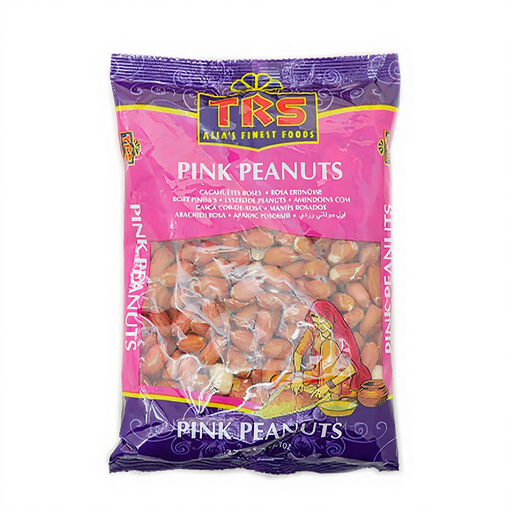
Peanut kernels for a nut selection that gives you time to prepare them as directed on the pack before serving. The pack contains 375 g.
Peanuts are a relevant allergen. Check the current packaging and keep the bowl of peanuts separate from other snacks.
Yes, as long as you serve them in planned portions as a high-energy snack – not as a low-calorie option. The German Nutrition Society highlights the high fat content of nuts; among different types of nuts, EDEKA places cashews, almonds and peanuts towards the lower end of the calorie and fat scale by comparison.
Compare kcal, salt and sugar per 100 g, as well as the ingredients for the specific variety. A serving size, if provided, can help you plan smaller bowls; ‘unsalted’ or ‘plain’ doesn’t replace checking the energy content.
Match each bowl to its original packaging or a clear label, and keep the ingredients and allergen information accessible. Peanuts and tree nuts should be clearly distinguishable. For mixed products, also check for other allergens or possible traces.
Store clearly identifiable leftovers in an airtight container in a cool, dry place, and follow the instructions on the relevant pack. Keep the packaging so the ingredients and allergen information are still available next time you serve them.