
Lieferung heute & morgen

Qualitätsgarantie

Willkommens-Angebote freischalten: KOSTENLOSE Lieferung | Bis zu 80 % RABATT | Kostenlose 30-Tage-JoyPlus-Testphase
App herunterladen
Solar lights for the garden promise a simple, cost-effective, and eco-friendly way to illuminate paths, create accents, and enhance security. However, the market is flooded with products whose real-world performance often fails to match the promises on the packaging. Before you invest, it's crucial to understand the typical pitfalls that lead to disappointment and unnecessary expense.
As your Joybuy Product Recommendation Officer, I'm here to help you separate marketing hype from reality. This guide focuses on the critical technical features that distinguish a reliable solar light from a subpar one.
The 3 Most Common Disappointments with Solar Lights and How to Avoid Them:
To avoid a bad purchase, don't be swayed by beautiful product images; let the technical data guide you. Here are the three most important parameters you must check before buying.
The IP (Ingress Protection) rating indicates how well an electrical device is protected against the ingress of foreign objects (first digit) and water (second digit). For outdoor solar lights, the second digit is crucial.
The runtime is directly dependent on the stored energy. Pay attention to the battery capacity, specified in milliampere-hours (mAh). A higher number means more storage capacity and, therefore, potentially a longer runtime.
The solar panel (usually monocrystalline or polycrystalline) must be large enough to charge the battery even on less sunny days. For high-performance floodlights, a separate panel connected by a cable is advantageous, as it can be optimally positioned towards the sun while the light itself is mounted in the shade.
These two values determine the effect of your solar garden lighting.
Here are some product recommendations tailored to specific use cases that meet the criteria mentioned above.
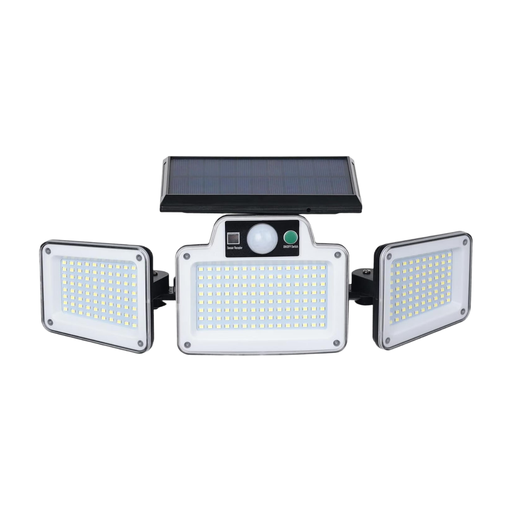
Why It's a Match: Ideal for illuminating driveways, garages, or dark corners of your property. The focus is clearly on functionality and security, not just decoration.
The IP65 certification ensures the light functions reliably even in heavy rain. The 2400mAh battery, combined with the large, separate solar panel, provides dependable performance, while the three operating modes offer clear, needs-based functionality instead of vague brightness promises.
Three adjustable light heads for wide and targeted illumination. The 4.7-meter cable to the solar panel allows for flexible installation to achieve optimal sun exposure.
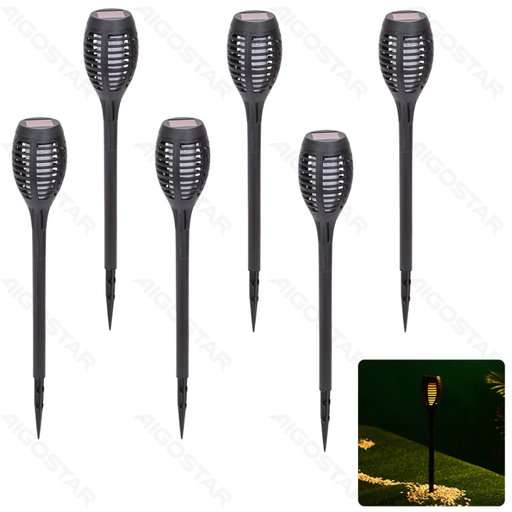
Why It's a Match: Perfect for anyone looking to create an atmospheric and decorative ambiance. The realistic flame effect adds warm accents along paths, in flowerbeds, or on the patio.
The light colour is clearly defined as warm white at 2700K, guaranteeing a cosy atmosphere and avoiding the 'wrong colour' pitfall. The IP44 rating is sufficient for its intended use as a ground stake in flowerbeds or along a path and is not overstated as universal weather protection.
The cylindrical flame effect provides a dynamic and appealing look. The set of six lights allows for a uniform design across a larger area without needing additional purchases.
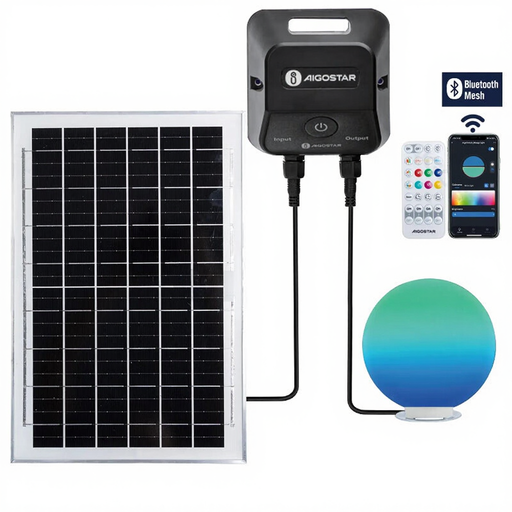
Why It's a Match: For users who want more than just on/off functionality. This light offers full control over colour, brightness, and scenes via Bluetooth Mesh technology.
This product provides transparent performance data: 350 lumens of brightness, a colour temperature range of 2700K-6500K, an 8000mAh battery, and IP65 protection. These specifications go far beyond vague marketing promises, offering the user full transparency and control.
Control over 200 devices via Bluetooth Mesh. RGBCCT technology allows for stepless adjustment of millions of colours as well as warm to cool white light.
We have compiled a complete, real-time updated list of products that fully meet these strict selection criteria and all relevant safety standards.
The lifespan of a solar light depends on three components: the LED bulb, the battery, and the housing. The LEDs themselves often have a rated lifespan of 15,000 hours or more, which translates to many years. The battery is the most common weak point; NiMH batteries typically last 1-3 years before their capacity noticeably decreases. However, on many models, the battery can be easily replaced. The durability of the housing depends on the material (plastic, stainless steel) and the IP rating.
Yes, but with reduced performance. Solar panels also charge in diffused light, but much more slowly than in direct sunlight. In winter, the days are shorter and the sun is lower in the sky, which further reduces charging time. Therefore, you should expect a shorter runtime. To maximise performance, keep the solar panel clean and, if possible, orient it to face south.
Installation is usually very simple. The most important factor is the placement of the solar panel. It should be located where it receives at least 4-6 hours of direct sunlight per day. Avoid placing it under trees, eaves, or near nighttime light sources (like streetlights), as these can interfere with the dusk-to-dawn sensor and prevent the light from turning on. Before first use, it is recommended to let the light charge fully in the sun for one to two days with the switch in the 'on' position.