
Lieferung heute & morgen

Qualitätsgarantie

Willkommens-Angebote freischalten: KOSTENLOSE Lieferung | Bis zu 80 % RABATT | Kostenlose 30-Tage-JoyPlus-Testphase
App herunterladen
Illuminating your garden doesn't have to be complicated or expensive. Solar lights offer a flexible and eco-friendly way to light up paths, enhance security, or simply create an inviting atmosphere. However, with the vast array of models available, making a choice can be challenging. This guide is designed to help you understand the technical features and make an informed decision for your outdoor space.
To make the right choice, it's helpful to be familiar with a few basic features. Three criteria are particularly crucial: weather resistance, intended purpose, and technical specifications.
The claim waterproof outdoor solar lights is specified by the IP (Ingress Protection) rating. This two-digit code indicates how well a light is protected against foreign objects and water.
Not every solar light serves the same function. Before buying, consider which area you want to illuminate and how, in order to find the right model.
LED solar path lights and solar garden stakes: These models are primarily for orientation. They mark garden paths, driveways, flowerbeds, or pond edges and usually emit a downward, glare-free light to prevent tripping hazards.Solar spotlights with motion sensors: These are designed for security and functionality. An integrated sensor activates the bright light only when motion is detected. This is ideal for illuminating driveways, entrance areas, or dark corners of your property on-demand and in an energy-efficient way.Decorative solar lights: Here, aesthetics are the priority. Models with special designs, patterns, or an RGB colour-changing feature create an inviting and atmospheric ambiance on the patio, balcony, or in seating areas.The performance of a solar light heavily depends on its integrated battery and solar panel. A higher battery capacity, measured in milliampere-hours (mAh), generally allows for a longer illumination time after sunset. Modern smart garden lighting can also be controlled via an app. This allows for flexible adjustment of light colours, brightness, and automatic schedules directly from your smartphone.
Here is a selection of models designed for different garden requirements.
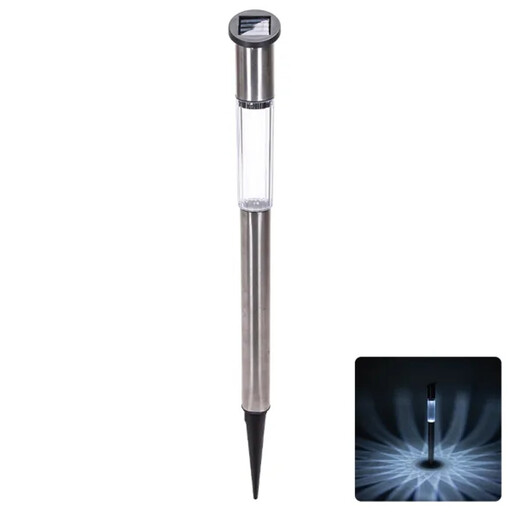
Why it stands out: Its classic and robust stainless steel design blends discreetly into most garden layouts. A straightforward and reliable solution for path lighting.
Advantages:
Who it's for: Garden owners looking for durable, low-maintenance LED solar path lighting with a classic, timeless look.
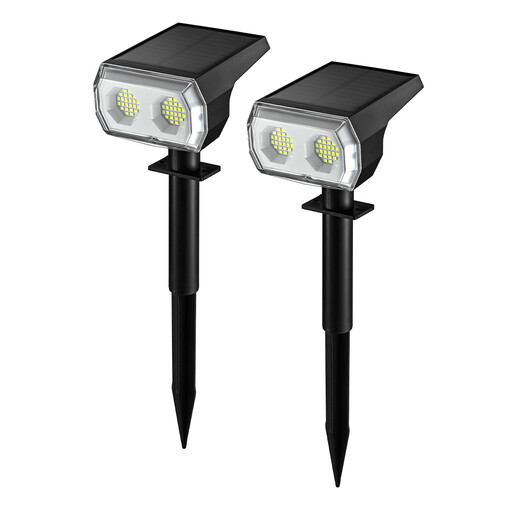
Why it stands out: This set combines bright illumination with a smart motion sensor and offers flexible installation options, either on the ground or on a wall.
Advantages:
Solar spotlight with motion sensor and dusk-to-dawn sensorWho it's for: Homeowners who want to illuminate security-sensitive areas like driveways, front doors, or dark garden corners on-demand and in an energy-efficient manner.
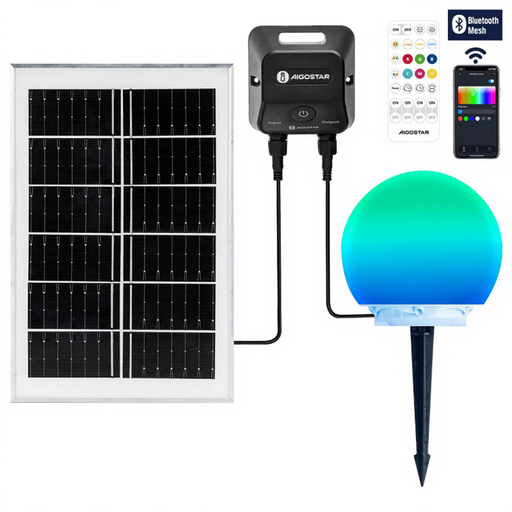
Why it stands out: The integration of Bluetooth Mesh technology allows for the control and synchronisation of over 200 lights via an app—truly smart garden lighting.
Advantages:
Who it's for: Tech-savvy users who want to create a fully customisable and expandable lighting landscape in their garden and program individual light scenes.
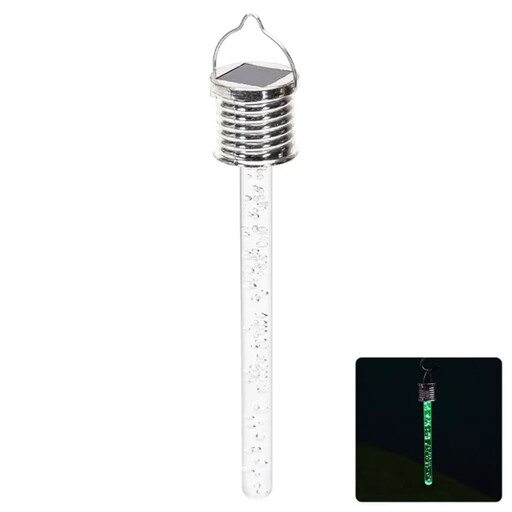
Why it stands out: The unique design with the bubble effect inside the acrylic rod and the automatic RGB colour-changing feature make this light a decorative eye-catcher in any flowerbed.
Advantages:
solar garden stake with a striking bubble effect insidedecorative solar lights in flowerbeds, planters, or along patios.Who it's for: Anyone who wants to use light to create specific accents and a playful, atmospheric ambiance in their garden or on their balcony.
The models featured here already cover a broad spectrum of uses. If you haven't found the right solution for your specific needs, you can find more models in our comprehensive category. Discover a wider selection of designs and features to showcase your garden perfectly.
Discover more Low-Voltage Outdoor Garden Spotlights
Yes, but with limited performance. Solar lights also charge in diffuse light, just more slowly than in direct sunlight. In winter, the days are shorter and the sunlight is weaker, which leads to a shorter runtime at night. Models with high-quality solar panels (e.g., monocrystalline or amorphous) and large batteries have an advantage here.
The lifespan depends on two main components: the LEDs and the battery. The LEDs themselves often have a very long life of 15,000 hours or more. The battery is typically the component that loses capacity first. For most models, you can expect a functional lifespan of two to three years before the illumination time noticeably decreases. The quality of the battery and the weather conditions play a crucial role.
First, check a few simple things: