
Lieferung heute & morgen

Qualitätsgarantie

Willkommens-Angebote freischalten: KOSTENLOSE Lieferung | Bis zu 80 % RABATT | Kostenlose 30-Tage-JoyPlus-Testphase
App herunterladen
Garden solar lights promise simple, atmospheric lighting with no cables or electricity costs. But the reality is often quite different: many buyers are disappointed by lights that fail after just a few weeks, provide barely any light, or can't withstand the elements. Before you invest, it's crucial to understand the most common pitfalls that lead to frustration and wasted money.
This guide will help you separate the wheat from the chaff. We focus on the critical features that distinguish a reliable solar light from a useless one.
The 3 Most Common Pitfalls When Buying Solar Lights
To avoid the problems mentioned above, you should check three technical features before purchasing. These will give you an objective basis for your decision, far from marketing promises.
The IP (Ingress Protection) rating indicates how well an electrical device is protected against the ingress of foreign objects (first digit) and water (second digit). For outdoor solar lights, this is a critical quality feature.
The combination of the solar panel and battery determines how long your solar lights in the garden will stay lit.
The colour of the light has a huge impact on the atmosphere. It is measured in Kelvin (K).
Based on the objective criteria mentioned above, we have identified some products that represent a considered choice for specific user profiles and requirements.
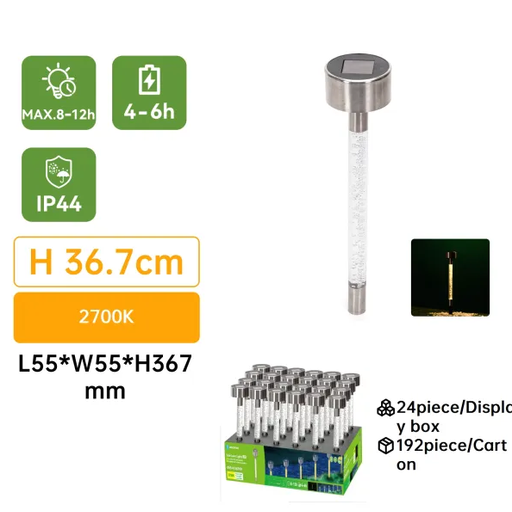
Why This Fits Their Persona: Ideal for users looking to create decorative accent lighting for balcony boxes or small flowerbeds on a tight budget. The simple solar ground stake is ready to use immediately without any tools.
The product clearly states its IP44 rating, battery capacity (40mAh), and warm white colour temperature (2700K). This sets realistic expectations and prevents disappointment from dim or unprotected, low-quality materials.
Decorative bubble design for an atmospheric play of light. Very simple installation by just staking it into the ground.
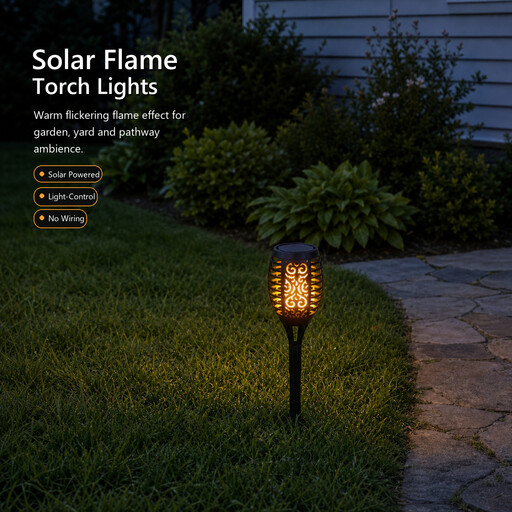
Why This Fits Their Persona: Perfect for anyone seeking exceptionally atmospheric and dynamic lighting. The solar torches with a flame effect create an inviting and lively mood along pathways or on a patio. The solar light set ensures a uniform look.
This set avoids the pitfall of poor weather resistance with an explicitly stated IP65 protection rating. This makes it significantly better protected against the elements than many standard products.
Realistic flickering effect for a special atmosphere. High weather resistance (IP65) for a longer lifespan outdoors.
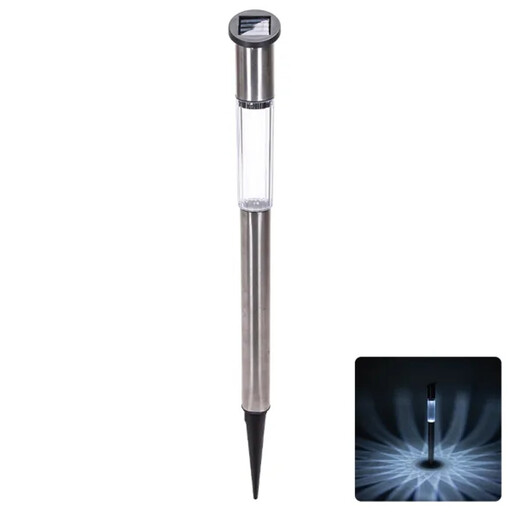
Why This Fits Their Persona: For users who prioritise safety and visibility. This light is designed as solar path lighting to prevent tripping hazards and provide orientation in the dark.
By focusing on a clear function: bright, cool light. Specifying 6500K avoids the pitfall of disappointing light quality, as the user knows they are getting functional, not ambient, light. The stainless steel construction is also more robust than pure plastic.
Bright, clear light for increased visibility. Robust construction of plastic with stainless steel.
1. Do garden solar lights also work in winter or on cloudy days? Yes, modern solar-powered LED garden lights can charge even in diffuse light, although with significantly reduced efficiency. The runtime and brightness will be shorter and weaker in winter or on heavily overcast days than on a sunny summer day. For year-round use, models with the largest possible solar panels and high-capacity batteries are recommended.
2. What is the lifespan of solar lights? The lifespan depends on three main components. The LED itself is very durable and can often last 15,000 hours or more, according to manufacturer specifications. The battery is the most common wear-and-tear component and typically needs to be replaced after 1 to 3 years, depending on quality and charging cycles. The weather and UV resistance of the housing is equally crucial.
3. Do I need to bring solar lights indoors during the winter? For models with a lower protection rating like IP44, it is advisable to protect them from heavy frost and prolonged moisture to extend the life of the battery and electronics. Storing them in a basement or garage during the harshest winter months is good practice. Models with a high protection rating (e.g., IP65) are more robust, but even for them, dry winter storage can positively affect their overall lifespan.