
Lieferung heute & morgen

Qualitätsgarantie

Willkommens-Angebote freischalten: KOSTENLOSE Lieferung | Bis zu 80 % RABATT | Kostenlose 30-Tage-JoyPlus-Testphase
App herunterladen
Garden solar lights promise a simple, cost-effective, and eco-friendly way to illuminate outdoor spaces. But the reality is often different: many buyers are disappointed by products that fail after a single downpour, provide barely any light, or stop working after just a few months. The reason often lies in exaggerated marketing claims and hidden defects.
This guide will help you identify the crucial features and avoid making a bad purchase. We'll focus on the three most common pitfalls:
To make an informed decision, don't be swayed by promotional images. Instead, check three core technical parameters. These are crucial in determining the longevity and functionality of your solar outdoor lighting.
The IP (Ingress Protection) rating is a standard that indicates how well an electrical device is protected against the entry of foreign objects (first digit) and water (second digit). For waterproof solar lights in the garden, two ratings are particularly relevant:
The runtime depends directly on the battery's capacity, measured in milliampere-hours (mAh), and the solar panel's performance. A large battery is of little use if the panel is too small or inefficient to fully charge it during the day.
Look for a balanced ratio. Models with a larger, perhaps even separate, solar panel often provide more reliable charging, even on days with less sunshine. A battery capacity of over 1000 mAh is a good benchmark for brighter spotlights or longer string lights.
The light colour significantly influences the atmosphere. It is measured in Kelvin (K):
Consider beforehand whether the light is primarily for decoration or security, and choose the appropriate light colour.
Based on these objective criteria, we have compiled products for different user profiles and requirements.
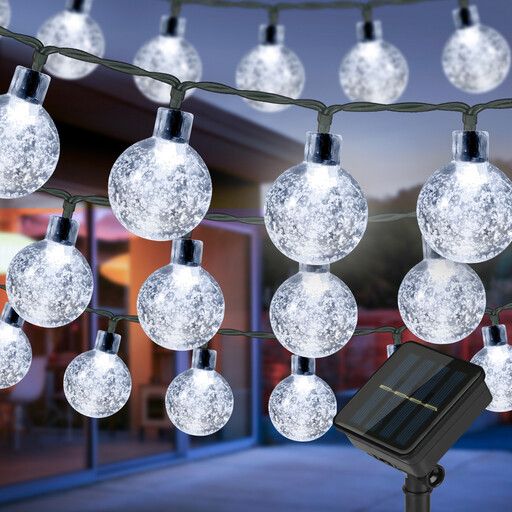
Why This Fits Their Persona: Ideal for users who want to create an atmospheric setting for garden parties, on the balcony, or as year-round decoration. The 11-metre length offers plenty of scope for creative arrangements.
With an IP65 rating, this outdoor solar string light is robust against rain, avoiding the trap of inadequate weather resistance. The specified runtime of 8–14 hours indicates an efficient charging system.
Offers 8 different lighting modes for varied effects and a memory function that saves the last setting.
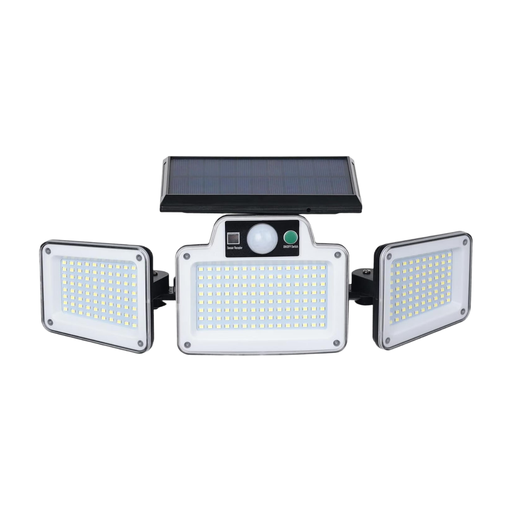
Why This Fits Their Persona: Perfect for homeowners who want to reliably illuminate paths, garages, or entrance areas. The focus is clearly on functionality and security.
The separate, large solar panel with a long cable allows for optimal alignment with the sun, regardless of where the light is mounted. The 2400mAh battery and IP65 certification address the typical weaknesses in performance and durability.
Three adjustable light heads provide wide and flexible illumination. Control via a remote with three different modes offers added convenience.
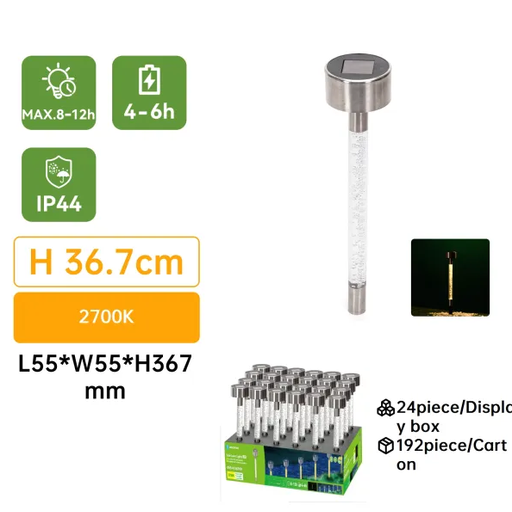
Why This Fits Their Persona: For garden enthusiasts who want to effortlessly mark paths or subtly highlight flowerbeds and shrubs. Installation is incredibly simple: just stake it into the ground, and you're done.
This product avoids the trap of paying for superfluous features. It focuses on one job—providing decorative accent light—and does it reliably. The IP44 rating is sufficient for this purpose in most garden areas.
The warm white light at 2700K creates a pleasant atmosphere. Its design as a solar ground stake is straightforward and versatile.
We have compiled a complete, up-to-date list of products that fully meet these strict selection criteria and relevant safety regulations.
The lifespan varies greatly depending on the quality of the components. The LEDs themselves often have a stated lifespan of 15,000 hours or more. However, the critical factor is the battery, which typically loses capacity after 1-3 years. The quality of the plastic or metal housing also plays a role in longevity. Look for products made from robust materials like stainless steel or high-quality ABS plastic.
Yes, but with limitations. In winter, the days are shorter and sunlight is weaker, which reduces charging time. Consequently, the runtime per night will be shorter than in summer. Models with large, efficient solar panels and powerful batteries perform better in these conditions. Strategic placement in a location with maximum sun exposure is especially important in winter.
The most important factor is the orientation of the solar panel. It should be exposed to direct sunlight for at least 6-8 hours a day. Avoid locations under trees, eaves, or in the shade of buildings. Regularly keep the panel's surface clean of dust, leaves, or snow to avoid impairing its charging efficiency.