
Lieferung heute & morgen

Qualitätsgarantie

Willkommens-Angebote freischalten: KOSTENLOSE Lieferung | Bis zu 80 % RABATT | Kostenlose 30-Tage-JoyPlus-Testphase
App herunterladen
Solar lights promise a simple and cost-effective way to illuminate your garden, balcony, or patio. With no wiring and no extra electricity costs, they create atmosphere, enhance security, and add decorative accents. However, the market is confusing, and many products don't live up to their advertising claims. Before you make a decision, it's crucial to understand the typical pitfalls that often only become apparent after a few weeks or the first heavy rainfall.
As your Joybuy Product Recommendation Officer, I'm here to help you separate the wheat from the chaff. We'll focus on the critical technical features that define a durable and functional product, ensuring your investment continues to bring you joy for months to come.
Many solar lights look appealing at first glance, but their weaknesses lie in the details. These three points are often the cause of disappointment:
outdoor solar string light with warm white light is unsuitable for illuminating a dark driveway area. Conversely, a harsh solar spotlight with motion sensor can disrupt the cosy atmosphere on your patio. The choice must match the desired goal—ambience or security.To avoid the pitfalls mentioned above, you should check three core technical aspects before buying. These will give you an objective basis for your decision, far from marketing promises.
The IP (Ingress Protection) rating is an internationally standardised code. It specifies precisely how well an electrical device is protected against the ingress of foreign objects (first digit) and water (second digit).
solar garden lights and a reliable solar path light.A harmonious balance between these two components is the key to a long illumination time, even in climates with less consistent sun.
The light colour has a major impact on the atmosphere. LED solar lights for outdoors offer a wide range here.
balcony decor and seating areas.solar wall light at the house entrance where good visibility is required.Instead of making a one-size-fits-all recommendation, we have identified products that are tailored to specific use cases and the quality criteria mentioned above.
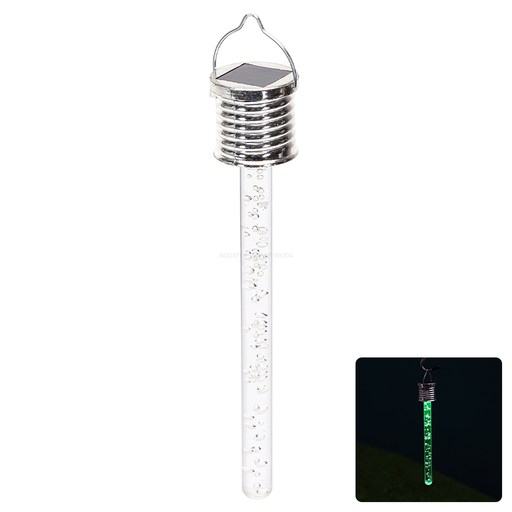
Why This Fits Their Persona: Ideal for users who want to add colourful accents to flowerbeds or balconies with minimal effort. The simple installation via a ground stake requires no prior experience.
The amorphous silicon solar panel charges even in less-than-ideal light conditions, which mitigates the risk of insufficient charging on cloudy days. The IP44 rating is appropriate for its intended decorative use in more sheltered areas.
Automatic RGB colour-changing for a dynamic and playful atmosphere. Plastic housing with a stainless steel finish for an appealing look.
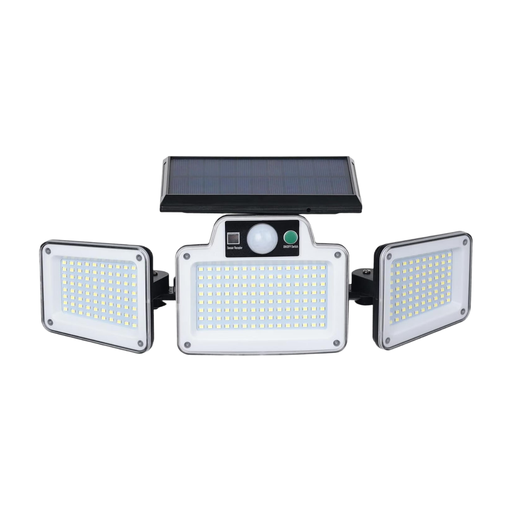
Why This Fits Their Persona: Perfect for homeowners who need reliable and bright lighting for driveways, garages, or dark garden areas to increase security.
The separate solar panel with a long cable (approx. 4.7 m) solves the problem of poor charging, as it can be optimally positioned towards the sun while the light itself is mounted in the shade. The IP65 certification ensures it can withstand heavy rain.
Three adjustable light heads for wide and targeted illumination. Three operating modes (incl. motion sensor) can be selected via remote control. The 2400mAh battery offers a solid capacity for this performance class.
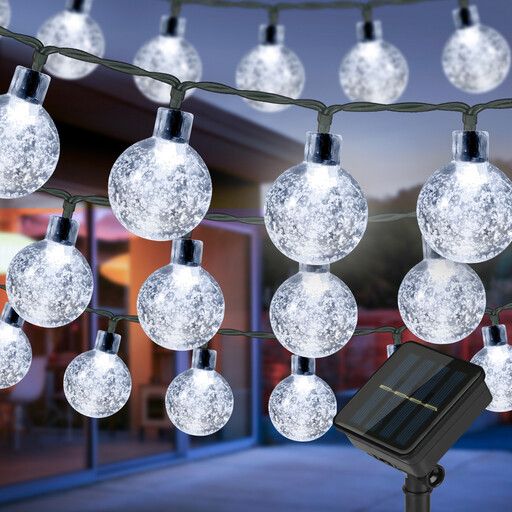
Why This Fits Their Persona: For anyone looking to decorate a large area like a garden, patio, or long balcony for parties, holidays, or simply to create continuous, atmospheric lighting.
The IP65 rating makes this string light robust enough for year-round outdoor use and reliably protects it from rain. The specified runtime of 8–14 hours is a realistic value for a decorative string light of this length.
Generous length of 11 metres with 60 LEDs for wide coverage. Eight different lighting modes with a memory function offer creative versatility for various occasions.
We have compiled a complete, up-to-date list of products that fully meet these strict selection criteria and German safety regulations.
The lifespan of a solar light depends on its components. The LEDs themselves are very durable, lasting 15,000 hours or more. The critical component is the battery, which typically has a lifespan of 1 to 3 years (approx. 500–1000 charge cycles) depending on quality and use, after which its capacity will diminish. The robustness of the housing and a high IP rating also contribute significantly to longevity.
Yes, but with noticeably reduced performance. On cloudy days and during the shorter daylight hours of winter, charging efficiency is lower, resulting in a shorter runtime. Models with high-efficiency monocrystalline solar panels and a high battery capacity have an advantage here. Lights with motion sensors, which only turn on when needed, can also better bridge the darker season.
That depends on the IP rating. Products with IP65 or higher are designed for year-round use and can withstand rain and snow. Models with a lower rating like IP44 should be placed in a sheltered location or brought indoors during prolonged bad weather or frost to prevent damage to the electronics and battery.