Recording garden stories
If you’re recording someone sitting outdoors, think about microphone position, wind and clothing rustle. As a general guide, RØDE recommends positioning the microphone on the chest, around 20–30 cm from the mouth.


For someone sitting down to tell a story, a wired lavalier microphone with the right connector and enough cable is a sensible starting point. Test for wind and clothing noise with a recording at the planned seating spot. A recorder worn close to the body avoids a connection to your smartphone, while a wireless setup is worth considering mainly if you need to move around or be some distance from the recording device. If you want the questions to be clearly audible too, the interviewer will need their own suitable way to record.
If you’re recording someone sitting outdoors, think about microphone position, wind and clothing rustle. As a general guide, RØDE recommends positioning the microphone on the chest, around 20–30 cm from the mouth.
If you want to use the phone you already have, first check its actual microphone input, then choose a compatible USB-C or TRRS model. Sennheiser and Shure describe different connection options.
For longer stories, it can be useful to record independently, have enough storage and follow a reliable process for backing up the file. A recorder adds steps such as managing its power supply and transferring files.
A good fit if: the person telling the story will be sitting down most of the time and the cable can reach the recording device.
Things to weigh up: the connector and cable routing need to suit both the device and the seating position. A foam windscreen doesn’t guarantee a clean recording in windy conditions.
A good fit if: you want to place the recording device further away and it has a suitable microphone input.
Things to weigh up: make sure the cable is routed safely. Check that TRS, TRRS and any power requirements are suitable for the entire recording setup.
A good fit if: you don’t want a long cable running to your smartphone or camera and would prefer a separate audio file.
Things to weigh up: using a recorder means factoring in the recorder itself, batteries, a memory card and transferring the file afterwards. 32-bit float won’t prevent wind or clothing noise.
A good fit if: being some distance from the recording device or moving around makes a wireless connection genuinely useful.
Things to weigh up: check the number of transmitters, receiver, power supply, device connection and the frequency requirements that apply to the specific wireless system.
| What matters | What to check when buying | Who is it most relevant to? |
|---|---|---|
| Clear speech in the garden | Check the clip, windscreen and attachment; listen to a test recording from the seating spot. | If I need to account for wind and rustling clothes while recording a story, clear speech matters most to me. Around 36% of consumers put this first. |
| Connection to the recording device | Check that the microphone model matches the device’s actual input; test the setup with the app you plan to use. | If you want to use your existing smartphone, camera or recorder, you’ll need to find the right connection. Around 29% of consumers prioritise compatibility with their recording device. |
| Longer, standalone recording | If you’re using a recorder, allow for a lavalier microphone, batteries and storage; check the recording status and file. | If it won’t be easy to repeat a longer story, standalone recording and a backup you can check are important. Around 21% of consumers give this priority. |
| Recording the story and the questions | Decide whether you need the questions to be clearly audible too; check the number of microphones, transmitters and usable inputs. | If you want to record the interviewer clearly as well as the person telling the story, plan a recording setup for both. Around 14% of consumers prioritise recording both sides of the conversation. |
TRRS and TRS models are designed for different inputs. RØDE also specifies a suitable plug-in power supply for the Lavalier GO.
Before you choose, check the model, input and required power supply for the complete recording setup.
Wind and contact with clothing can still affect your recording. A windscreen is no substitute for good positioning or listening to a test recording.
Test the attachment, cable routing and wind direction at the planned seating spot, then listen back to your test recording.
With the RØDE Wireless ME, the number of transmitters depends on whether you choose the Single or Dual set. A microphone on the person telling the story doesn’t automatically provide a separate recording channel for the questions.
Before choosing a set, decide whether you only need to record the story or want the questions to be clearly audible too. Then check how many microphones and inputs you’ll need.
The Zoom F2 records independently to microSD and needs a power supply. Afterwards, you’ll need to transfer and back up the files.
Build checks for recording status, free storage, batteries and files into your interview routine.
According to the manufacturer, the XS Lav range includes a USB-C version and a separate TRRS version for wired voice recordings.
According to Shure, the MVL is designed for compatible smartphones or tablets with a 3.5 mm TRRS input, or a suitable CTIA adapter.
The Lavalier GO is an option for compatible TRS inputs or transmitters in the Wireless GO family; the Wireless ME is a separate wireless system.
The V.Lav is a wired option if you need a longer cable between the person sitting down and the recording device.
The F2 is a portable audio recorder worn close to the body. It comes with an LMF-2 lavalier and lets you record without a constant cable connection to your phone or camera.
The BY-M1 is a wired option. Check that its connection works with your camera, smartphone or recorder setup.
These product options include a wired lavalier for compatible devices, as well as wireless systems with different transmitter configurations. The right choice depends on your planned recording setup, how many microphones you need and whether the system is compatible with your recording device.
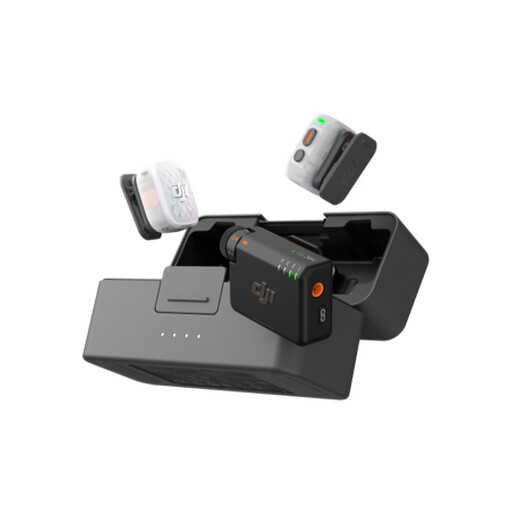 No image available
The two transmitters are worth considering if you want to record the story and questions separately.
The product name lists two transmitters, one receiver and a charging case. Before use, check the frequency and compliance information for this specific wireless system against the requirements in Germany.
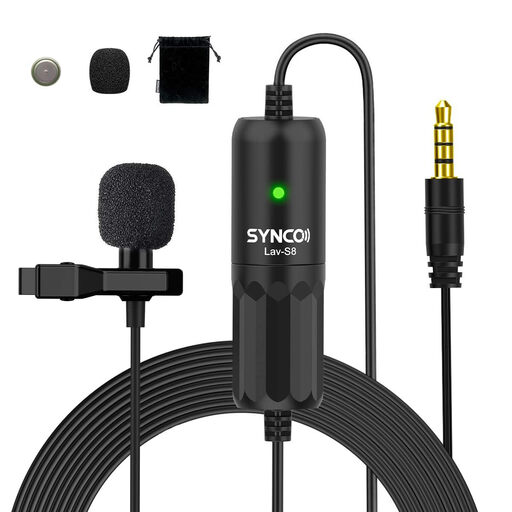 No image available
A wired option if your recording device works with the specified 3.5 mm connection and the right connection setup.
The product description lists a 3.5 mm connection, an adapter kit, a clip and a windscreen. Check that it works with your specific device and the recording app you plan to use.
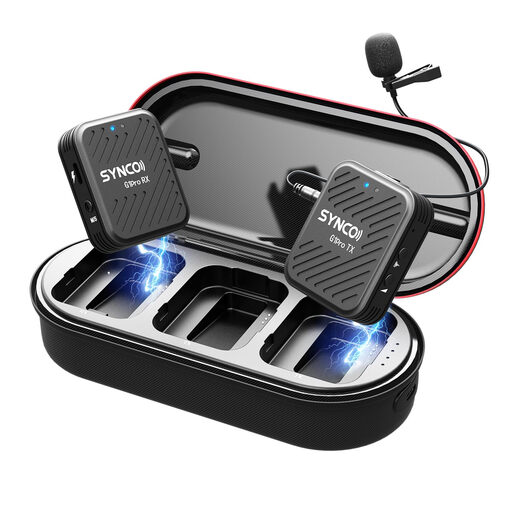 No image available
A wireless option for a compatible camera setup if you want a wireless connection to your recording device.
The product name specifies 2.4 GHz transmission and audio monitoring on the receiver. Check the frequency and compliance information for this specific set against the requirements in Germany.
 No image available
The two transmitters may be useful if you want to mic both sides of the conversation separately.
The product description lists a receiver with a headphone socket, a furry windscreen and an optional low-cut filter. Check the frequency and compliance information for this specific set against the requirements in Germany.
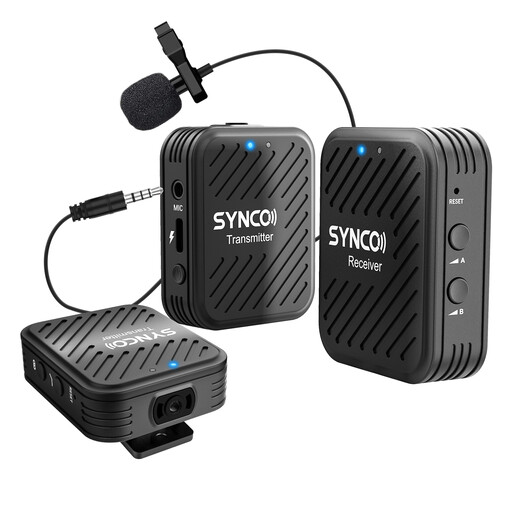
 No image available
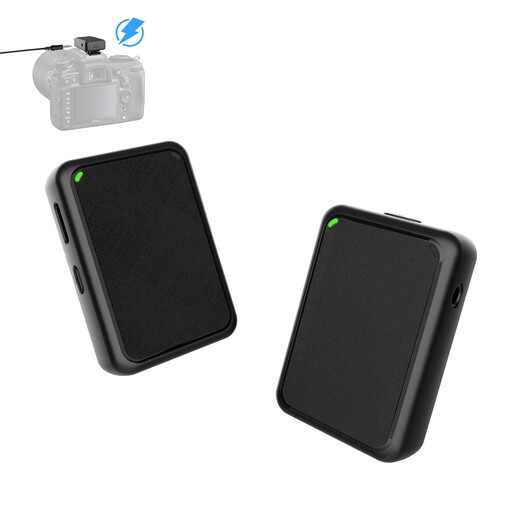
A wireless option with one transmitter and one receiver for a compatible camera setup.
The product description lists a 3.5 mm connection and a furry windscreen. Check the recording setup with your specific device, as well as the frequency and compliance information for the set against the requirements in Germany.
No. The plug diameter alone doesn’t guarantee compatibility. Shure describes the MVL as suitable for compatible TRRS smartphone inputs or a suitable CTIA adapter; RØDE specifies a compatible TRS microphone input with plug-in power for the Lavalier GO. Check the complete connection with your specific device.
As a general mounting guide, RØDE recommends positioning it on the chest, around 20–30 cm from the mouth, and away from clothing that may rub against it. Secure the clip and cable, then listen to a test recording made from the actual seating spot.
Depending on your setup, you may need batteries and a memory card. Deity specifies two LR41 batteries for the V.Lav; Zoom specifies two AAA batteries and microSD storage for the F2. Remember to transfer and back up your recording afterwards.
You can’t assume that recording is permitted just because of where it takes place. Section 201 of the German Criminal Code (StGB) covers unauthorised recording of speech that isn’t public. The Data Protection Conference explains the requirements for consent to recordings of personal data to be freely given, informed and specific to the purpose. Before you start, agree the purpose of the recording and any plans to publish it with the person telling the story. The rules that apply will depend on the specific project.
No. The name alone doesn’t tell you what requirements apply to a particular wireless system. In its general frequency allocation of April 2026, the Bundesnetzagentur lists frequency bands and usage conditions for wireless microphones. The technical frequency and compliance information for the specific set is what matters when checking whether it can be used.