
Lieferung heute & morgen

Qualitätsgarantie

Willkommens-Angebote freischalten: KOSTENLOSE Lieferung | Bis zu 80 % RABATT | Kostenlose 30-Tage-JoyPlus-Testphase
App herunterladen
A garden tent is more than just a temporary shelter. It serves as a versatile extension of your space, whether as a tool shed, a protected workspace, or a portable garage. However, the buying process is fraught with pitfalls that can quickly turn a practical solution into a costly disappointment. Many products promise durability but fail during the first autumn storm or develop defects after just a few months.
Before you make a decision, it's crucial to understand the most common weaknesses, which often only become apparent after the purchase:
To avoid these problems, you should focus your attention on a few key technical parameters. These are the primary determinants of your garden tent's longevity and functionality.
The tarpaulin is the first line of defence against the elements. Look for the following features:
The skeleton of the tent must be stable and secure. The decisive factors are:
Depending on the intended use, different features are important:
Instead of making a blanket recommendation, we have identified products that are tailored to clearly defined use cases.

Why it's a match: Ideal for year-round cultivation of plants in a controlled environment. The format is suitable for a balcony, basement, or garage and creates a microclimate that protects sensitive plants.
The design as an indoor grow tent with ventilation ports and observation windows actively counteracts the formation of condensation and mold (Pitfall #3).
The highly reflective interior material maximises light efficiency for the plants. The frame, made of 16mm powder-coated steel tubes, ensures stability.

Why it's a match: Provides a compact and weatherproof storage solution for multiple bikes, e-bikes, or garden tools, without the footprint of a permanent garage.
The combination of UV-protected PE material and an aluminium frame resists the elements (Pitfalls #1 & #2). Integrated ventilation openings prevent moisture buildup (Pitfall #3).
Offers space for 2-4 bikes and comes with hooks for accessories. The included storm straps and guy ropes significantly increase stability.
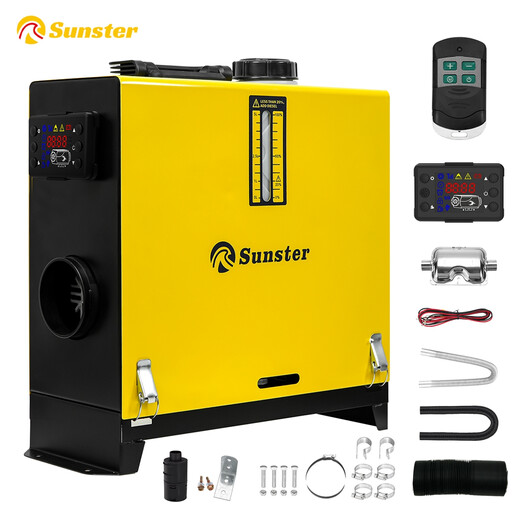
Why it's a match: For anyone who wants to use their tent, workshop, or camper van even in cold temperatures. This mobile tent heater provides a powerful and flexible heat source.
This product solves a core problem of using a tent in winter: the cold. It extends the usability of any garden tent and prevents it from sitting unused during the cold season.
As a 12V diesel air heater, it is independent of the power grid and can be controlled via remote. Its low consumption and safety features allow for reliable operation.
We have compiled a complete, up-to-date list of products that fully meet these strict selection criteria and safety standards.
Stability depends on correct anchoring. Use all included pegs and pull the guy ropes taut. In strong winds or on soft ground, additional, longer ground stakes or special storm anchors are recommended. If possible, position the tent in a sheltered location, such as against a house wall or hedge.
A plant tent or grow tent is specifically designed for cultivating plants. It typically features a highly reflective inner lining to maximise light, special openings for ventilation and cable systems, and a light-proof outer shell. A general garden tent serves primarily as weatherproof storage and focuses on robustness and water resistance.
Many high-quality garden tents, especially those designated as weatherproof bike garages, are suitable for long-term use. A robust, corrosion-resistant frame and a UV-stable tarpaulin are essential for this. Regularly check the tension of the tarpaulin and the security of the anchoring to ensure a long lifespan. For year-round use, good ventilation is crucial to prevent moisture buildup.