
Lieferung heute & morgen

Qualitätsgarantie

Willkommens-Angebote freischalten: KOSTENLOSE Lieferung | Bis zu 80 % RABATT | Kostenlose 30-Tage-JoyPlus-Testphase
App herunterladen
A wrinkled shirt right before an important meeting or a creased dress while travelling—these are situations where a conventional iron is impractical. A garment steamer, also known as a clothes steamer or handheld steamer, offers a quick and straightforward solution. However, the market is flooded with devices making bold promises. Many buyers soon discover that their new gadget spits more hot water than it produces fine steam, or that it simply fails after a few months.
As your Joybuy Product Recommendation Officer, I'm here to help you separate the good from the bad. This guide will show you which technical features truly matter and how to avoid common purchasing mistakes, so you can effectively refresh clothes and remove wrinkles without an iron.
Before you decide on a model, you should be aware of the most common problems that often only become apparent after the purchase.
To avoid these problems, you should check three core technical specifications before buying. These are the key determinants of your device's performance and longevity.
These two values are inextricably linked and are the heart of every garment steamer.
The capacity of the water tank determines how long you can work continuously before needing to refill.
The device's construction determines its versatility and effectiveness for different tasks.
Based on the criteria mentioned, we have identified a few models that represent a smart choice for specific user profiles.
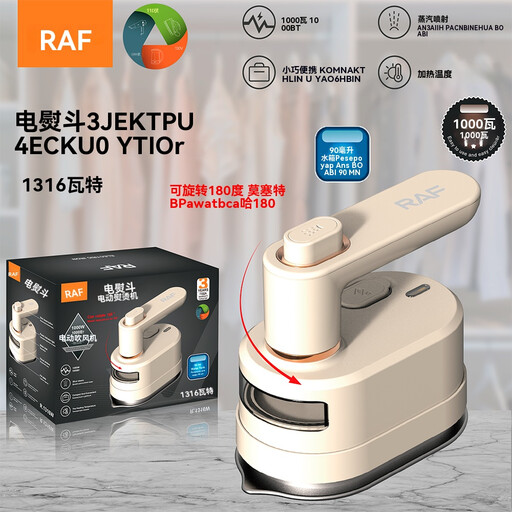
Why This Fits Their Persona: This model is extremely compact and lightweight. The 180° rotating handle allows for both vertical steaming and horizontal ironing of collars and cuffs. Its dual-voltage compatibility (110V-220V) makes it a practical companion for international business trips.
The 1000W power ensures a fast heat-up and consistent steam, reducing the risk of water droplets compared to weaker travel models.
Rotating Handle: Maximum flexibility for hard-to-reach areas.
Dual Voltage: Suitable for travel to countries with different power grids.
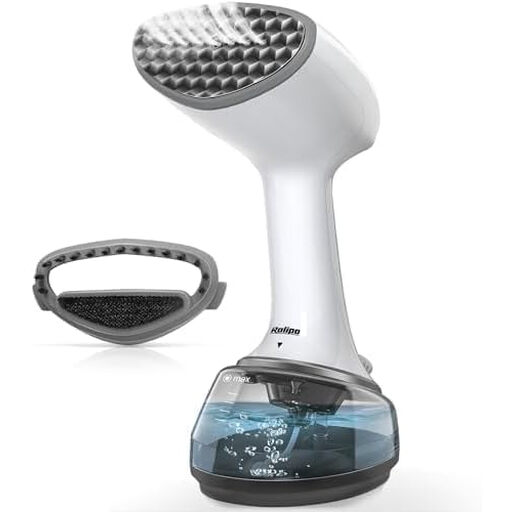
Why This Fits Their Persona: With a very large 360 ml water tank, this model provides up to 20 minutes of continuous steam, according to the manufacturer. This is ideal for steaming the whole family's clothes in the morning or handling several large items like bedding without constant refills.
The combination of 1200 watts of power and a large tank ensures consistent and sufficient steam production, suitable even for thicker fabrics like denim or wool sweaters, bypassing the risk of weak performance.
Large Water Tank: 360 ml for extended use.
Continuous Steam Lock: A switch allows for continuous steam without holding down the trigger.
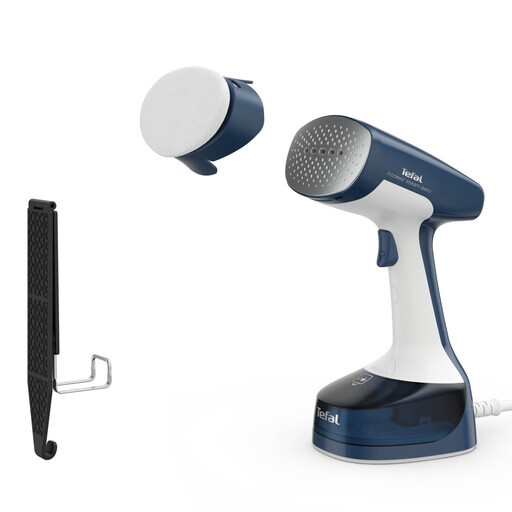
Why This Fits Their Persona: This Tefal model, with 1400 watts and a very short heat-up time of 15 seconds, is ready to use almost instantly. The continuous steam output of 25 g/min is powerful enough for most fabrics yet remains gentle. According to the manufacturer, the steam can also reduce up to 99.99% of viruses and bacteria, making it perfect for refreshing a delicate wardrobe.
The high and constant steam output of 25 g/min ensures a reliable result without water droplets and is powerful enough to efficiently smooth not just delicate, but also everyday fabrics.
Very Fast Heat-Up: Ready to use in just 15 seconds.
Microfibre Brush Included: Opens up the fibres for deeper steam penetration and removes dust.
We've compiled a full, up-to-date list of products that fully meet these strict selection criteria and all relevant safety standards.
1. What type of water should be used in a garment steamer? For maximum device lifespan, using distilled or demineralised water is recommended. This prevents limescale buildup inside the unit, which can impair steam performance and damage the device. If you use tap water, you should descale the device regularly according to the manufacturer's instructions.
2. Can a garment steamer completely replace an iron? For most everyday tasks like removing wrinkles from shirts, blouses, dresses, and suits, a powerful garment steamer is an excellent alternative. It's faster, gentler on fabrics, and doesn't require an ironing board. However, a traditional iron remains superior for very stubborn wrinkles in thick fabrics or when sharp creases (e.g., on suit trousers) are desired.
3. How do you descale a garment steamer correctly? The exact procedure varies by model. Typically, a mixture of water and a special descaling solution or household vinegar is poured into the tank. The device is then heated up, and the steam is released (not directed at clothing) until the tank is empty. Afterwards, rinse the tank thoroughly with clean water. Always refer to the specific instructions in your device's user manual.