
Lieferung heute & morgen

Qualitätsgarantie

Willkommens-Angebote freischalten: KOSTENLOSE Lieferung | Bis zu 80 % RABATT | Kostenlose 30-Tage-JoyPlus-Testphase
App herunterladen
A good gel cream provides the skin with moisture without weighing it down. However, the market is saturated with products whose marketing claims often create more confusion than clarity. Many users invest in a cream that feels good at first but fails to deliver the desired long-term results or even worsens skin issues. Before you make a decision, it's crucial to understand the most common pitfalls.
Common Pitfalls When Buying a Gel Cream:
To avoid these issues, it's essential to focus on the fundamental parameters that define a high-quality gel cream.
Choosing the right gel cream depends on objective criteria that go beyond marketing. Two factors are particularly important: the texture combined with the ingredients, and the specific combination of active ingredients for your skin's needs.
A good lightweight moisturiser should absorb quickly without leaving a sticky or greasy film. Pay attention to the formulation's base. While most products are water-based, some high-quality creams use plant extracts as their main component, such as Centella Asiatica water or oat seed water. These can offer additional soothing properties. Ingredients like dimethicone in low concentrations can provide a silky skin feel, while heavy occlusives like paraffin should be avoided in a lightweight gel cream for oily skin types.
The effectiveness of a gel cream depends heavily on its active ingredients. Instead of being swayed by a single trending ingredient, you should choose a formula tailored to your skin's specific needs.
Based on these objective criteria, we have identified several products that are well-suited for different needs and skin types.
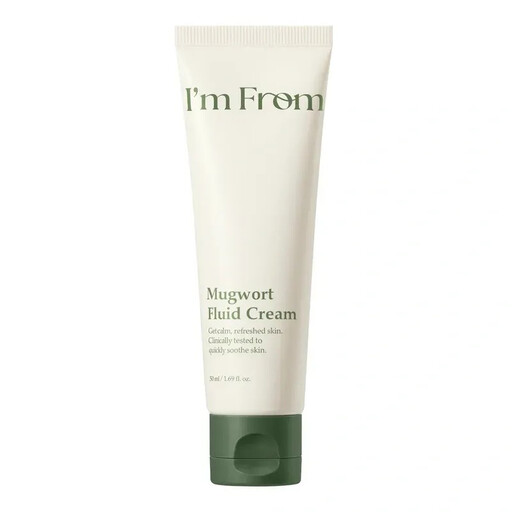
Why This Fits Their Persona: Ideal for individuals whose skin reacts to environmental stressors like dry indoor heating or changing weather with redness and irritation. The formula is specifically designed to calm the skin.
Instead of using alcohol for an artificial cooling effect, this cream leverages the natural, soothing properties of mugwort extract to lower skin temperature and relieve irritation.
Contains mugwort extract from Ganghwa, Korea, known for its calming and anti-inflammatory properties. The light, fluid texture absorbs quickly.
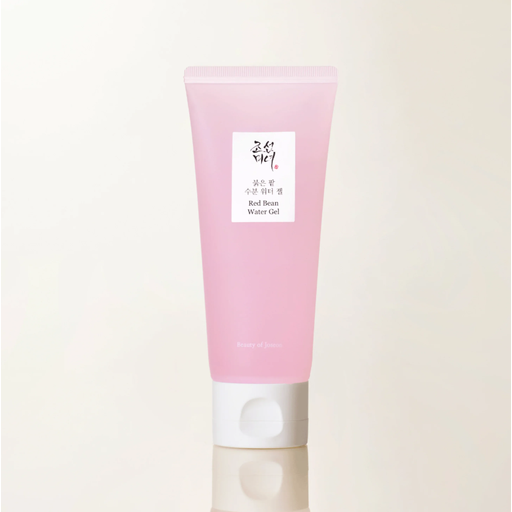
Why This Fits Their Persona: Suitable for those who struggle with a shiny T-zone and excess sebum but still need an effective moisturiser that doesn't dry out the skin.
This cream bypasses the "oil-free" trap by offering a genuinely lightweight texture that provides moisture while helping to absorb excess sebum, without leaving a heavy film.
The formula contains 44% adzuki bean extract, which aids in sebum absorption. Peptides also contribute to improving skin texture.
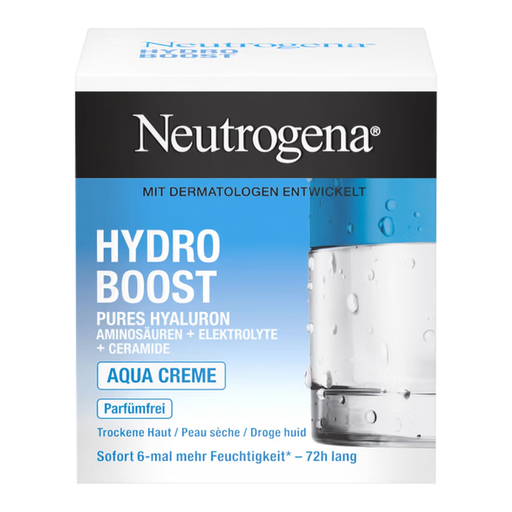
Why This Fits Their Persona: A straightforward and effective choice for anyone whose primary concern is a lack of moisture. It's suitable for users looking for a reliable, hydrating base moisturiser without many extra active ingredients.
This product focuses on sustained hydration. The formula is designed to lock in moisture and release it to the skin as needed, rather than just providing a superficial effect.
The combination of hyaluronic acid and trehalose helps create a moisture reservoir in the skin. The formula is non-comedogenic and also suitable for sensitive skin types.
We have compiled a complete, up-to-date list of products that fully meet these strict selection criteria and comply with current regulations.
1. Can a gel cream replace a rich night cream? That depends on your skin type. For those with oily or combination skin, a hydrating gel cream can often be sufficient as a standalone moisturiser for both day and night. For dry or very dehydrated skin, it can be beneficial to use the gel cream as a hydrating first step and seal it in with a richer cream or a facial oil, especially overnight.
2. How do I apply a gel cream for optimal results? For enhanced moisture absorption, it is recommended to apply the gel cream to slightly damp skin after cleansing and applying a toner or serum. Gently pat a small amount into the skin rather than rubbing it in vigorously. This helps to lock moisture into the skin.
3. Is a gel cream with SPF sufficient for daily sun protection? A gel cream with a designated SPF of 30 or 50 can be sufficient for everyday use at the office or on days with low sun exposure, provided it is applied in a sufficient amount (about half a teaspoon for the face and neck). For extended periods outdoors or during strong sun exposure, the regular application of a separate, water-resistant sunscreen is essential to ensure continuous protection.