
Lieferung heute & morgen

Qualitätsgarantie

Willkommens-Angebote freischalten: KOSTENLOSE Lieferung | Bis zu 80 % RABATT | Kostenlose 30-Tage-JoyPlus-Testphase
App herunterladen
A gel cream for the face should deliver hydration, absorb quickly and leave no heavy film behind. Yet not every face gel cream suits every skin type. Marketing claims like “24-hour moisture”, “cooling effect” or “for all skin types” tell you little about whether the formula will actually work with your skin, your routine and the British climate.
A face moisturising gel can feel pleasantly cool and almost weightless. However, for dry or tight skin, a very light texture alone may not be enough. What really matters is the combination of humectants, skin-nourishing lipids and your individual skin condition.
Even a soothing face cream can contain fragrances, alcohol, essential oils or certain plant extracts. If you have sensitive skin, you should always check the current INCI list on the packaging and test a small area first. If redness, stinging or itching occurs, stop using it.
Some gel creams list a specific sun protection factor. However, the level of protection depends on applying enough product and reapplying regularly. For longer periods outdoors, a dedicated sunscreen is advisable. A standard lightweight face cream without a stated SPF offers no reliable UV protection.
For oily skin or combination skin, water-based, oil-free or silicone-based gel textures are often a good choice. They can feel lighter than rich creams. A gel cream for combination skin should not make dry cheeks feel tighter, while also not feeling unnecessarily heavy on the T-zone.
For sensitive skin, short, clear INCI lists are often easier to assess. Pay particular attention to perfume, Alcohol Denat., essential oils and any known personal intolerances. “Non-greasy face cream” only describes the skin feel, not automatically the tolerance.
Typical humectants include glycerin, panthenol, betaine, hyaluronic acid and certain sugar complexes. They can bind water in the upper layers of the skin. For a pleasant skin feel, film formers, silicones or light oils also play a role.
If you are looking for a barrier-strengthening moisturiser, look for ceramides, cholesterol, squalane or skin-identical lipids. However, simply naming a single active ingredient is no guarantee of a specific result. Concentration, the overall formula and your personal tolerance remain key.
Apply a gel cream after cleansing to slightly dry or still slightly damp skin. If you use several skincare steps, the face gel cream should generally come after thinner products and before a daytime sunscreen.
Also remember:
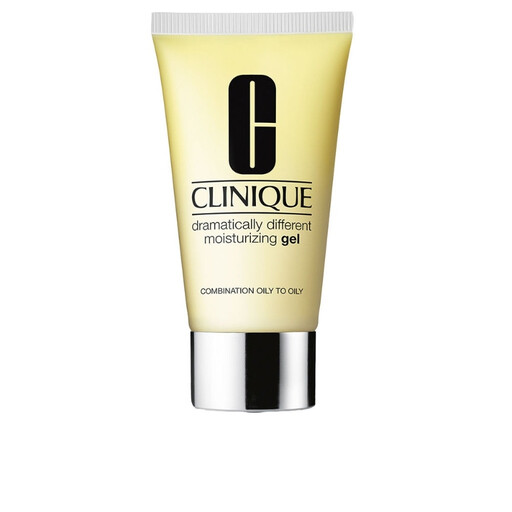
Why this product fits the profile: The clear application for face and neck, plus its suitability as a make-up base, fits a structured daily skincare routine.
The stated composition includes glycerin, sodium hyaluronate and dimethicone, among others. The product instructions recommend a small amount morning and evening.
50ml content, gel texture and stated use as a moisturiser under make-up.
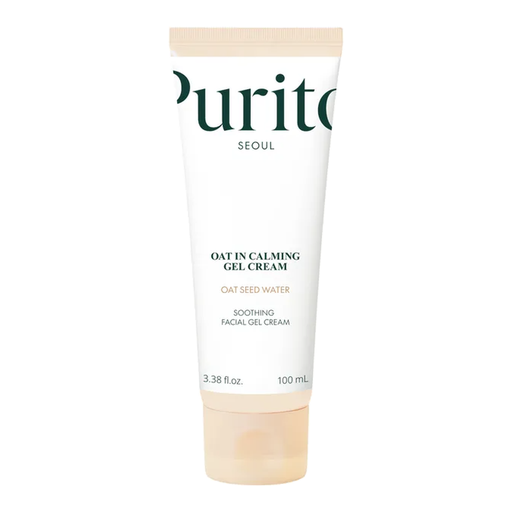
Why this product fits the profile: The 100ml size is appealing for regular use. Oat water and panthenol appeal to those who prefer a simple, lightweight moisturiser for dry or sensitive skin.
The texture is described as fast-absorbing. However, you should still check the full packaging information before purchase, as the ingredient data provided may differ from the current formula.
100ml content, plus oat water and panthenol according to the product description.
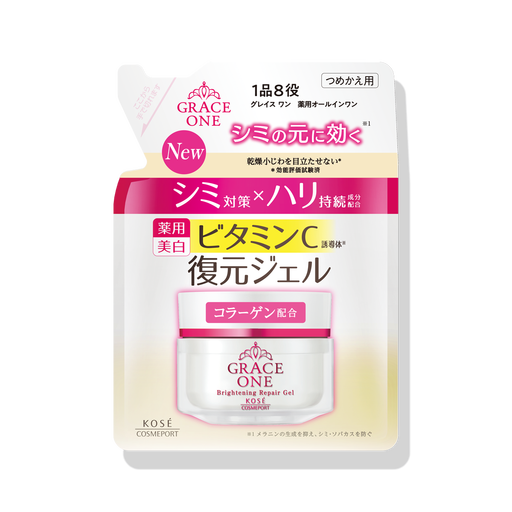
Why this product fits the profile: The all-in-one approach is aimed at those who prefer fewer steps in the morning and want a day cream with stated UV protection.
The stated sun protection factor SPF50+ PA++++ is clearly indicated. Due to alcohol, fragrance and retinyl palmitate, the formula should be checked particularly carefully for sensitive skin.
100g content and a stated combination of moisturising care and UV protection for the morning routine.
We have put together a full, regularly updated list of products that fully meet these strict selection criteria and the safety regulations in force in the EU.
Often yes, if the formula is lightweight and doesn’t leave an unpleasantly rich feeling on the skin. Still, check the INCI list and observe whether your skin looks shinier or feels tighter after a few hours. For combination skin, it can be helpful to apply a little more product on dry areas and a little less on the T-zone.
Many products are intended for both morning and evening use according to the instructions. In the morning, follow with a separate sunscreen if needed; in the evening, a slightly richer moisturiser may be useful if your skin feels dry or tight. Always follow the instructions on the specific product.
Refer to the printed best-before date, the batch number and the PAO symbol. After opening, keep the cream cleanly closed and store it in a dry, cool place away from direct sunlight. If the smell, colour or consistency changes noticeably, stop using the product.