
Lieferung heute & morgen

Qualitätsgarantie

Willkommens-Angebote freischalten: KOSTENLOSE Lieferung | Bis zu 80 % RABATT | Kostenlose 30-Tage-JoyPlus-Testphase
App herunterladen
Smudged notes right before an important exam, a cramped hand after a long lecture, or inconsistent handwriting on creative projects—the choice of the right writing tool has a greater impact on daily life than you might think. The market for office supplies is vast, and the differences between pen models are often only noticeable upon closer inspection.
This guide is here to help. It's designed to help you understand the key features of gel pens and make an informed decision tailored to your specific needs, whether for studying, professional work, or creative pursuits like journaling.
Before we look at specific models, it's helpful to know the three most important criteria that define a good writing instrument.
A gel pen uses a water-based ink where colour pigments are suspended in a gel. This allows for an exceptionally rich and smooth ink flow. A crucial factor here is the drying time. Especially for left-handers or when taking notes quickly, quick-drying ink is essential to prevent smudging. In contrast, classic ballpoint pens use an oil-based ink that generally dries more slowly but is often more water-resistant.
The line width, specified in millimetres (mm), determines the fineness of your writing.
Anyone who writes a lot appreciates the value of ergonomic pens. An ergonomically designed grip section, for instance, one that is triangular or has a soft rubber coating, can reduce hand fatigue and promote a relaxed grip. The weight and balance of the pen also play a role in writing comfort during extended use.
Based on the criteria above, we have compiled a selection of writing instruments that stand out with specific features for different applications.
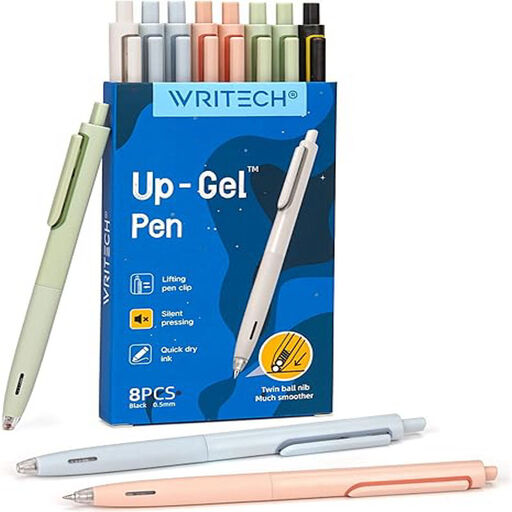
Why it stands out: This black pen set is distinguished by its patented, silent click mechanism. This makes it an excellent choice for environments where disruptive noises should be avoided, such as libraries or meeting rooms.
Advantages:
Who is it for? Students and professionals who work in quiet environments and need a reliable, non-smudging pen for everyday writing tasks.
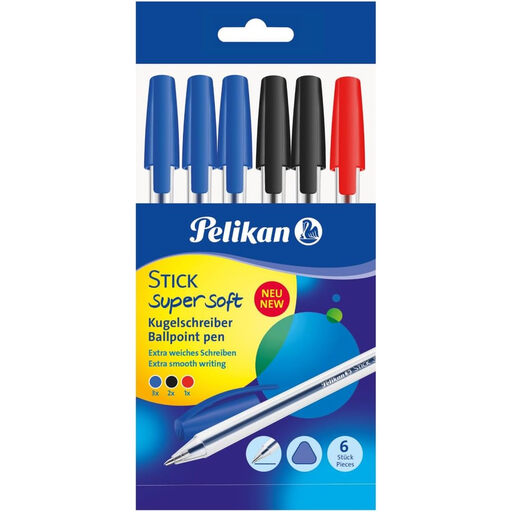
Why it stands out: As a classic ballpoint, this model from Pelikan offers an exceptionally smooth writing experience. It's an alternative for users who prefer the feel of a ballpoint pen but don't want to sacrifice an effortless glide.
Advantages:
Who is it for? Users in the office, at school, or at home who are looking for a straightforward and reliable ballpoint pen set for daily use and value an ergonomic design.
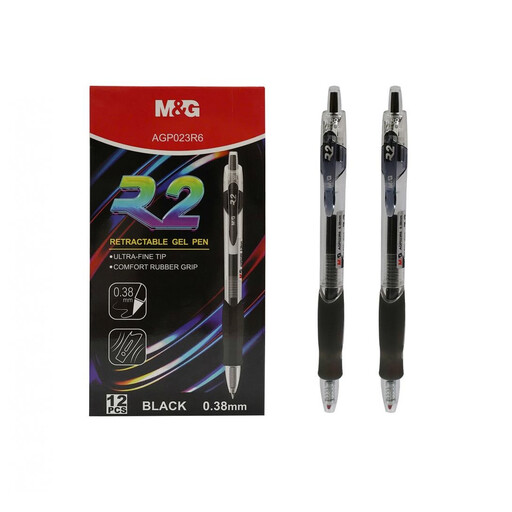
Why it stands out: With its ultra-fine 0.38mm tip, this gel pen is designed for tasks that demand the highest precision. It is perfectly suited for detailed annotations in small spaces.
Advantages:
Who is it for? Individuals who have very fine handwriting, take detailed notes, or need pens for journaling and planners where precision is key.
The models featured here already cover a wide range of needs. If the perfect option for your specific requirements isn't among them, you can find an even greater variety in our collection.
Discover more ultra pens and find the perfect writing instrument for your projects.
1. What is the difference between a gel pen and a ballpoint pen? The main difference lies in the ink. Gel pens use a water-based ink that provides a rich, fluid line. Ballpoint pens use a thicker, oil-based ink that is often more permanent but usually doesn't glide as smoothly across the paper.
2. Which line width is suitable for journaling? For journaling, fine tips between 0.38mm and 0.5mm are very popular. They allow for clean, legible writing, even in smaller notebooks, and are well-suited for drawing lines and tables. For headings or creative accents, a medium tip (0.7mm) can be a great addition.
3. Are gel pens suitable for left-handers? Yes, many modern gel pens are very well-suited for left-handers. The key is to choose a model with quick-drying ink. This feature prevents your hand from smearing the still-wet ink as you write, resulting in clean handwriting.