
Lieferung heute & morgen

Qualitätsgarantie

Willkommens-Angebote freischalten: KOSTENLOSE Lieferung | Bis zu 80 % RABATT | Kostenlose 30-Tage-JoyPlus-Testphase
App herunterladen
Choosing a German white wine can be overwhelming. The labels are filled with information about grape varieties, regions, and quality levels. It's especially hard to know where to start when you're looking for a good, dry white wine that is approachable and suits many occasions. This article serves as your practical guide. We'll introduce a selection of wines perfect for everyday enjoyment, parties with friends, or pairing with light meals, and explain what to look for when making your choice.
To make an informed decision, a little basic knowledge goes a long way. Here are three key points to make your selection easier.
Two of the most popular grape varieties for dry white wine in Germany are Wei?burgunder and Grauburgunder.
The growing region significantly shapes the wine. A wine from Rheinhessen often benefits from the diverse soils, resulting in a clear fruitiness, while a wine from the Palatinate (Pfalz) region frequently develops a special ripeness and richness thanks to its mild climate.
The right wine depends heavily on the occasion.
The QbA (Qualit?tswein bestimmter Anbaugebiete) designation on the label is a reliable mark of quality. It stands for "quality wine from a designated region" and guarantees that the grapes originate from one of Germany's 13 official wine regions and meet specific legal standards for ripeness and production.
Here is a selection of dry German white wines that cover different flavour profiles and occasions.
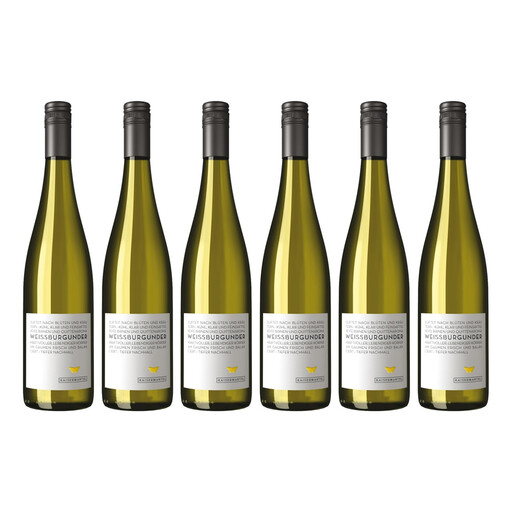
Why it stands out This Wei?burgunder from the Dr. Koehler winery in Rheinhessen has a cool, crisp profile. Its aroma is defined by fresh pear, citrus notes, and herbal hints. On the palate, it is decidedly dry and rounded out by a fine, saline minerality.
Highlights
Who it's for This wine is a great choice for fans of elegant and mineral-driven Pinot varieties who are looking for a reliable wine for various occasions and like to keep a small stock on hand.
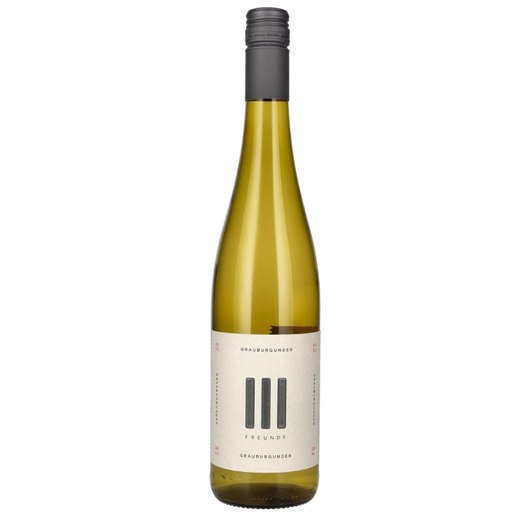
Why it stands out The III Freunde Wein is a Grauburgunder from the Palatinate region, born from a collaboration between Joko Winterscheidt and Matthias Schweigh?fer. It is designed as a modern and approachable wine for social moments. Its character is lively, fruity, and well-balanced.
Highlights
Who it's for This Grauburgunder is aimed at social drinkers who are looking for an uncomplicated and appealing wine for parties, barbecues, or relaxed gatherings. It's a great choice for anyone who appreciates a wine with a modern story.
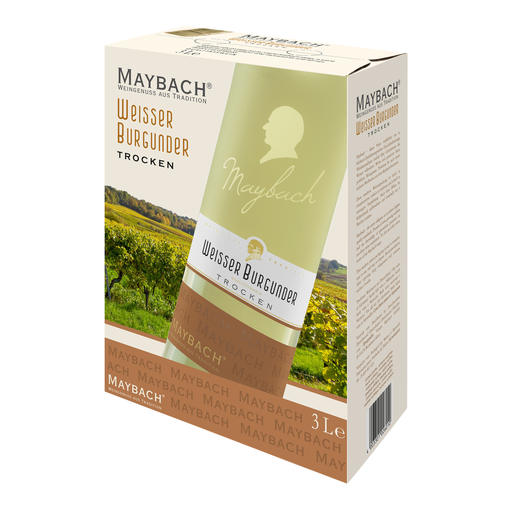
Why it stands out This Wei?burgunder from Peter Mertes comes in a convenient 3-litre bag-in-box. It offers a savoury profile with aromas reminiscent of pear and green bell pepper. The packaging ensures the wine stays fresh for up to four weeks after opening.
Highlights
Who it's for The bag-in-box is perfect for practical households, party planners, or anyone who enjoys a regular glass of wine without having to open a new bottle each time.
Wasn't your favourite grape variety featured, or would you like to compare other Pinot wines? The range of dry white wines is diverse and offers suitable alternatives for every palate.
Explore our entire selection of Pinot white wine.
1. What does "trocken" mean for German white wine? The term "trocken" (dry) is legally defined. A wine can be labelled as trocken if its residual sugar content is no more than 9 grams per litre. In this case, the acidity level can be at most 2 grams per litre lower than the residual sugar value. Simply put: the wine doesn't taste sweet, and the acidity provides a fresh, balanced mouthfeel.
2. Which dry white wine pairs with asparagus? A classic wine for asparagus is Silvaner. However, a dry Wei?burgunder is also an excellent choice. Its subtle fruitiness and moderate acidity complement the delicate flavour of the asparagus without overpowering it. It's important that the wine was not aged in oak barrels, as the toasted notes could clash with the vegetable's flavour.
3. How do I store white wine correctly? White wine bottles should be stored in a cool, dark place with a consistent temperature, ideally lying on their side to keep the cork moist. Wines with a screw cap can also be stored upright. A bag-in-box wine is ready to drink and should be refrigerated after opening and consumed within the period specified by the manufacturer (usually a few weeks).