
Lieferung heute & morgen

Qualitätsgarantie

Willkommens-Angebote freischalten: KOSTENLOSE Lieferung | Bis zu 80 % RABATT | Kostenlose 30-Tage-JoyPlus-Testphase
App herunterladen
By the Joybuy Product Recommendation Officer, July 28, 2026
The growing popularity of Korean culture has brought a wide variety of Asian beverages to Germany. Soju, in particular, is in high demand, but the expanding market can make choosing the right one complicated. Anyone looking to buy soju online is often faced with a daunting wall of colourful bottles and tempting flavours. However, not every product lives up to its promise. This guide will help you avoid common pitfalls and make an informed decision.
The market for Asian drinks online is filled with products that look similar but vary greatly in quality. Before you make a decision, you should be aware of two common issues that can lead to disappointment.
To ensure you get a product that meets your expectations, you should check three essential criteria.
Authentic Korean soju is traditionally distilled from rice, barley, or sweet potatoes. Modern varieties, especially flavoured ones, often use a neutral spirit made from tapioca. Pay attention to the country of origin (e.g., "Made in Korea") and, if available, the base spirit. Some products marketed as soju use a fruit wine base, which should be noted on the ingredients list. This isn't a flaw, but it marks an important difference in the drink's character.
If you're looking for a fruity soju, check the ingredients list. Products containing fruit juice or fruit juice concentrate often provide a more natural flavour profile than those relying solely on artificial flavourings. This is a crucial indicator of the final product's quality and taste.
The alcohol content of soju can vary significantly. Classic, unflavoured soju often ranges from 16% to 21% ABV. Fruity varieties typically have a lower content of 12% to 14% ABV. These are well-suited for drinking neat or for light soju cocktail recipes. Other Korean spirits like Makgeolli (rice wine) are even milder, at 3% to 6% ABV. Before buying, consider which alcohol content is appropriate for your intended occasion.
Here are some recommendations tailored to different preferences and occasions.
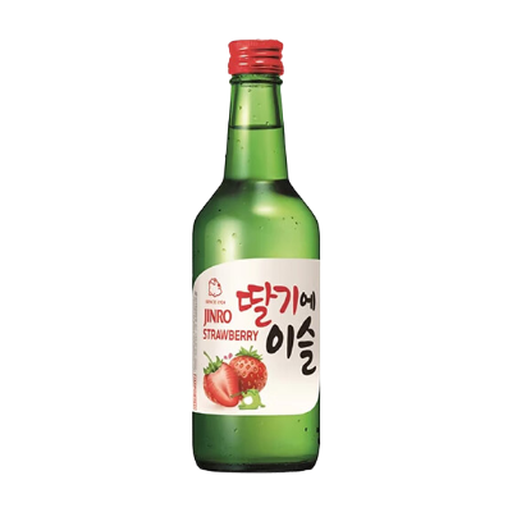
Why This Fits Their Persona: Ideal for those trying soju for the first time. The Jinro Soju brand is globally renowned, and the strawberry flavour is approachable and popular. Its moderate alcohol content makes it an easy-drinking choice for social gatherings.
As a product from one of Korea's largest manufacturers, it offers reliable quality and an authentic soju base that isn't masked by excessive sweetness.
A balanced combination of Chamisul soju's clean taste and a sweet strawberry note. Made in Korea.
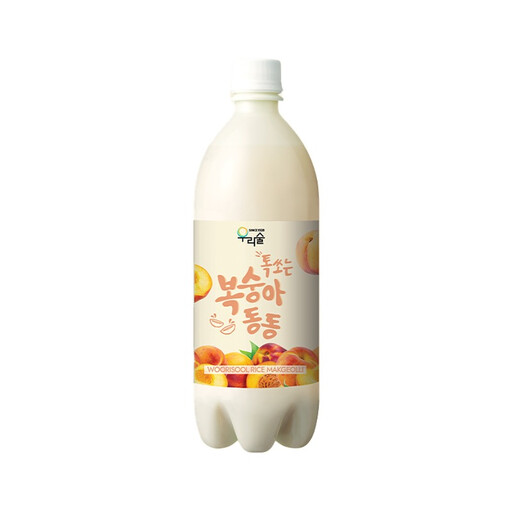
Why This Fits Their Persona: Perfect for anyone seeking a lighter, less alcoholic alternative to soju. Those looking to buy makgeolli will find this to be a fruity, lightly sparkling drink with a unique, milky texture.
This product is clearly labelled as makgeolli (rice wine), avoiding any confusion with soju. The very low 3% alcohol content is a key feature, not a hidden characteristic.
Very low alcohol content and a creamy, refreshing texture. The 750ml bottle is great for sharing.
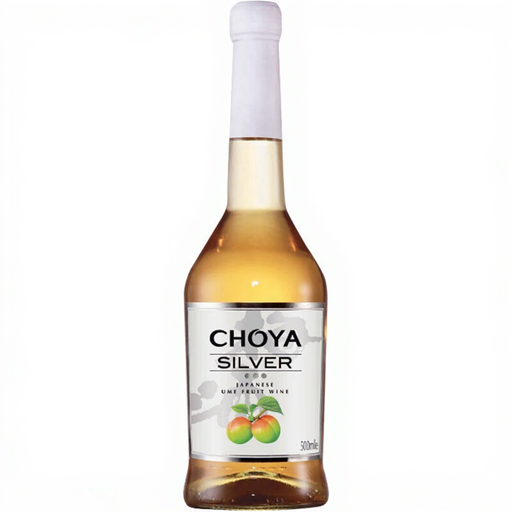
Why This Fits Their Persona: For those seeking an established, traditional fruit beverage. This Japanese plum wine (Umeshu) from Choya is a sophisticated alternative to trendy soju varieties and is excellent as an aperitif or digestif.
This is an authentic Japanese Umeshu from a renowned producer, not a generic, plum-flavoured wine. Its quality is based on the use of real Ume plums.
Balanced sweet-and-sour flavour. Versatile: enjoy it chilled, on the rocks, or in cocktails. An established product with consistent quality.
We have compiled a complete, up-to-date list of products that fully meet these strict selection criteria.
Flavoured soju is best served well-chilled (4–6°C) and drunk neat from small glasses. It also serves as an excellent base for simple cocktails. For example, mix it with sparkling water, tonic water, or lemon-lime soda and garnish with fresh fruit to create easy soju cocktail recipes.
Soju is a clear, distilled spirit with an alcohol content comparable to a light vodka or a strong wine. Makgeolli, on the other hand, is an unfiltered, fermented rice wine. It is milky, slightly sweet, often carbonated, and has a much lower alcohol content (typically 3–8% ABV). When you buy makgeolli, you are getting a completely different beverage from soju.
Once opened, a bottle of soju—especially a flavoured variety—should be tightly resealed and stored in the refrigerator. It is recommended to consume it within a few days to a week, as exposure to air and warmth can compromise the delicate fruit aromas. Classic, unflavoured soju will last slightly longer due to its higher alcohol content.